


What to Eat on GLP-1 Medications (So You Don’t Feel Awful or Lose Muscle)
How to nourish your body on Ozempic, Wegovy, or Zepbound without nausea, fatigue, or unintended muscle loss.
GLP-1 medications can dramatically change appetite. For many people, hunger drops quickly and meals get smaller almost overnight.
What these medications do not change is your body’s need for protein, micronutrients, fluids, and movement to stay strong and healthy. That mismatch is where most people run into trouble.
This post walks through what to eat on GLP-1 medications to reduce side effects, preserve muscle, and support long-term metabolic health without turning food into a stressful math problem or a crash diet.

Our Approach to Weight Loss Medications
At Whole Lifecycle Nutrition, we take a non-restrictive, physiology-first approach to health. We do not view weight loss medications as a default solution or a substitute for nutrition, movement, or care. These medications may be appropriate in specific medical contexts, but they also carry real risks and tradeoffs.
Our goal in this series is not to persuade anyone to use medication, but to help readers understand when they may help, when they may harm, and when they are simply not the right tool.
Why Appetite Suppression Changes Nutrition Needs
GLP-1 medications reduce hunger, slow stomach emptying, and increase fullness. That helps with weight loss, but it also means:
- Meals get smaller
- Eating frequency drops
- Protein and micronutrients are often unintentionally missed
During GLP-1 therapy, studies suggest 25 to 40 percent of weight lost may come from lean mass if nutrition and resistance training are not prioritized, compared to roughly 15 to 25 percent with lifestyle changes alone. Importantly, structured resistance training can reduce lean mass loss by 50 to 95 percent when combined with adequate protein intake.
“Eating less is easy on GLP-1s. Preserving muscle is the skill.”
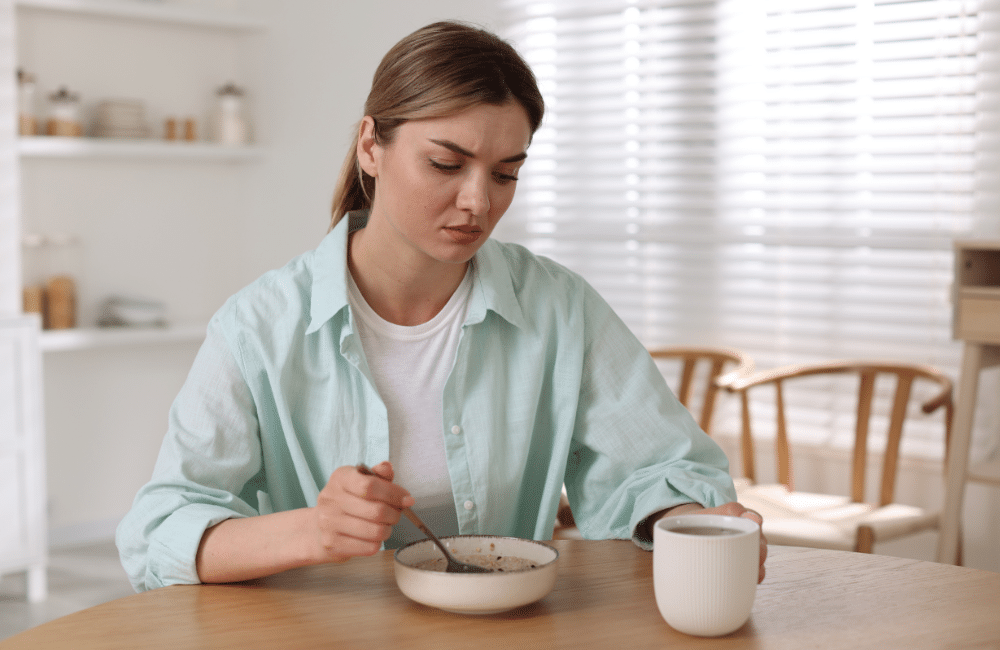
Protein: The Non-Negotiable
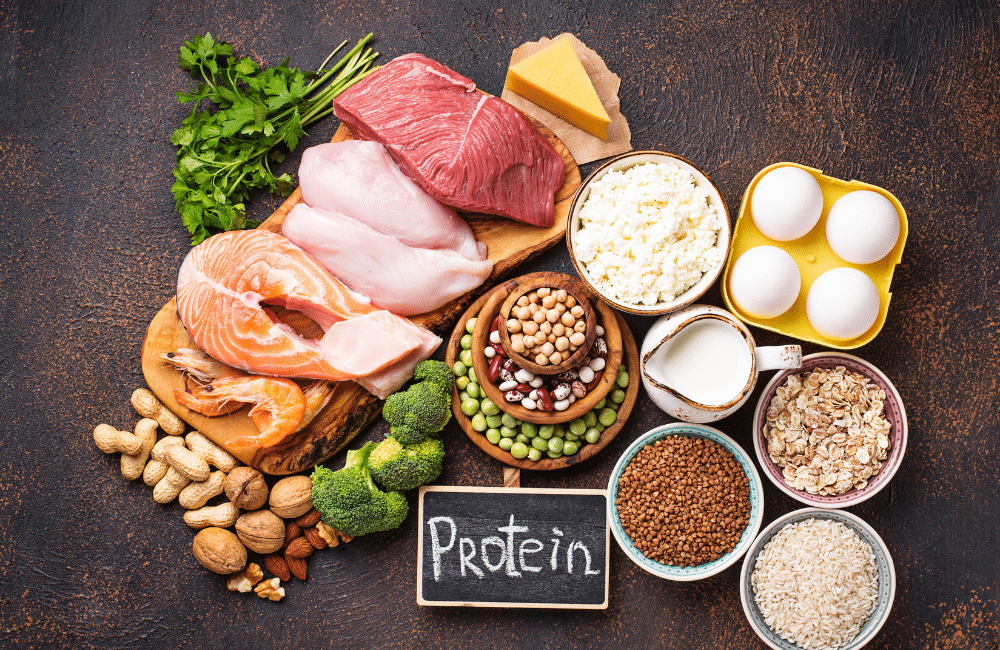
Protein is the most important nutrient to prioritize on GLP-1 medications.
Why it matters:
- Preserves lean muscle mass and bone density
- Supports metabolic rate
- Improves satiety without worsening nausea
- Supports immune function and recovery
Protein targets during active weight loss
A practical, evidence-aligned approach:
- 1.2 to 1.6 grams per kilogram of ideal body weight per day during active weight reduction
- Or an absolute target of 80 to 120 grams per day, which many people find easier to follow
- For individuals at risk of sarcopenia, aim for at least 1.3 grams per kilogram per day. Clinicians use the term “sarcopenia” to describe muscle loss that impacts strength and physical function.
Current guidelines note uncertainty around the optimal weight basis for calculations. This is where working with a nutrition professional can help you to meet your individual needs with customized recommendations.
Practical protein strategies
- Eat protein first at meals
- Spread intake across the day
- Use liquids or soft textures if solid food feels unappealing
High-Tolerance Protein Options
| Food | Why It Works |
| Greek yogurt or skyr | High protein, easy to digest |
| Cottage cheese | Soft texture, low fat |
| Eggs | Nutrient-dense and versatile |
| Protein shakes | Helpful when appetite is low |
| Tofu or tempeh | Gentle plant-based option |
| Fish | Lean and often well tolerated |
Critical note: Protein alone is not enough. Expert guidance is clear that increased protein intake without structured resistance training is insufficient to preserve muscle and bone mass. Aim for strength training at least three times per week, along with regular aerobic movement.
“Protein supports muscle. Resistance training protects it.”
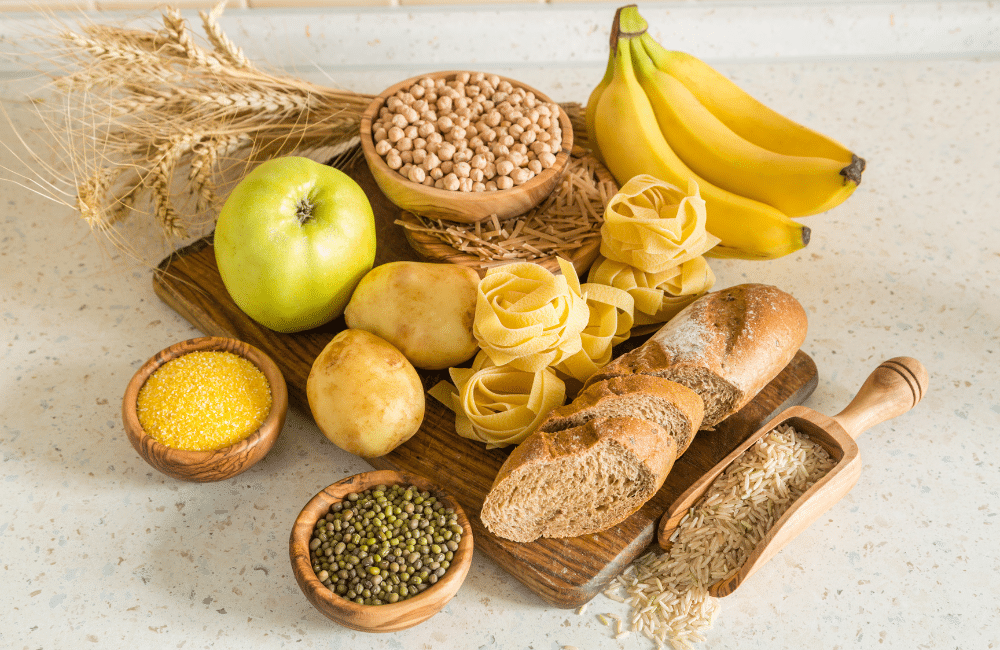
Carbohydrates and Blood Sugar Stability
GLP-1 medications improve insulin sensitivity, but skipping carbohydrates entirely often backfires.
Too little carbohydrate intake can lead to:
- Fatigue
- Dizziness
- Constipation
- Poor exercise tolerance
Sounds fun, right? Focus on lower-volume, slower-digesting carbohydrates that provide energy without overwhelming digestion.
| Better Carb Choices | Why They Help |
| Oats | Gentle, soluble fiber |
| Potatoes or sweet potatoes | Potassium-rich, easy to digest |
| Rice or quinoa | Reliable energy, low residue |
| Fruit | Hydration and micronutrients |
| Whole-grain toast | Often tolerated better than raw foods |
“Stable energy beats extreme restriction every time.”
Fats: Friend, Not First Course
Fat is healthy, but it slows gastric emptying further, and GLP-1 medications already delay gastric emptying significantly.
High-fat meals can:
- Worsen nausea
- Increase reflux
- Exacerbate constipation
Avoiding fatty foods during the first few days after each dose increase often helps reduce symptoms.
Best approach:
- Include fat in small to moderate amounts
- Avoid leading meals with high-fat foods early in treatment
“Fat isn’t the problem. Timing and amount matter.”
Fiber and Gut Tolerance
Fiber supports gut health, but tolerance varies widely during GLP-1 therapy.
Constipation can last up to 45 days during dose escalation, often longer than nausea or diarrhea, which typically resolve within one to two weeks.
Helpful strategies:
- Increase fiber gradually
- Favor soluble fiber early on
- Pair fiber intake with adequate fluids
“Gentle consistency beats aggressive fiber loading.”
Hydration and Electrolytes
Reduced intake plus GI side effects increases dehydration risk. Decreased thirst is a known effect of GLP-1 medications, so waiting until you feel thirsty is often too late.
General guidance:
- Aim for more than eight to twelve cups of fluids daily
- Include foods rich in water and electrolytes
- Sip fluids throughout the day rather than drinking large volumes at once
Dehydration can worsen constipation, dizziness, fatigue, and in severe cases contribute to acute kidney injury.
“Hydration problems often masquerade as medication side effects.”
Micronutrients to Watch
Appetite suppression can worsen pre-existing nutrient gaps.
Common nutrients to monitor include:
- Vitamin D (deficient in over 50 percent of patients with obesity at baseline)
- Vitamin B12 (2 to 18 percent deficiency rate)
- Iron (up to 45 percent inadequacy)
- Calcium and magnesium (over 50 percent inadequate intake)
- Zinc (24 to 28 percent inadequacy)
- Thiamine and other B vitamins
A daily multivitamin may be reasonable for individuals with substantial appetite reduction. Targeted lab assessment should be considered when weight loss is rapid or symptoms emerge. Note that not all multivitamins have all of these nutrients, and the nutrients you need are very individual. Cue in registered dietitian … .the answer to your nutrition prayers.
“Deficiencies whisper before they shout.”
What a GLP-1–Supportive Day of Eating Looks Like
This is not a meal plan. It is a structure.
| Meal | Example |
| Breakfast | Greek yogurt with berries |
| Mid-morning | Protein shake |
| Lunch | Eggs or tofu with potato |
| Afternoon | Cottage cheese or fruit |
| Dinner | Fish or chicken with cooked vegetables |
| Fluids | Water plus electrolytes as needed |
Consistency matters more than perfection.
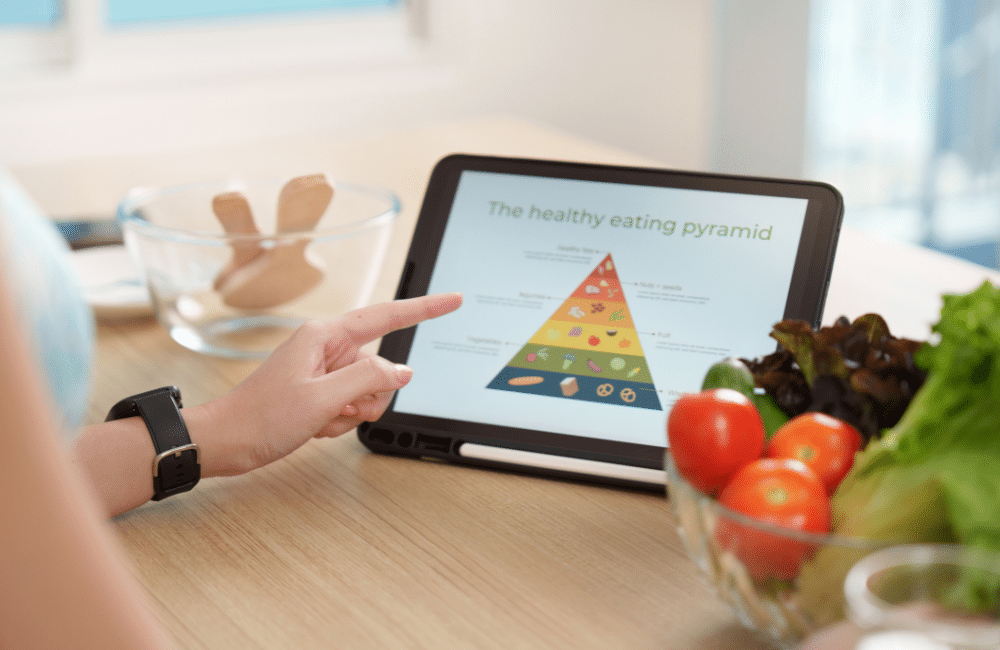
Frequently Asked Questions About Protein on GLP-1 Medications
Why is protein so important on GLP-1 medications?
Without adequate protein and resistance training, 25 to 40 percent of total weight lost with GLP-1 therapy can come from muscle and other lean mass, including bone. Research on caloric restriction shows that resistance training can reduce muscle and bone mass loss by 50 to 95 percent and help preserve bone density. Protein supports this process, but it cannot replace strength training.
I feel too full to eat enough protein. What can I do?
Eat protein first, spread it across smaller meals, and use liquids or soft foods. Persistent difficulty meeting protein needs is a sign that nutrition support or slower titration may be needed.
Are protein shakes okay?
Yes. Protein shakes are a practical tool, not a failure. They are often necessary early in treatment.
The Bottom Line
GLP-1 medications reduce appetite, not nutritional needs.
Eating too little protein, skipping meals, or avoiding entire food groups may speed weight loss short term, but it increases the risk of muscle loss, fatigue, and poor long-term outcomes.
Nutrition on GLP-1s is not about eating less. It is about eating intentionally.
“The goal is not maximum appetite suppression. The goal is sustainable, supported weight loss.”
Are you on a GLP-1 medication and not sure how to eat without nausea, exhaustion, or muscle loss?
Work with our team. We support clients on GLP-1 medications with individualized nutrition strategies that protect strength, energy, and metabolic health while weight changes.
References
- Mehrtash F, Dushay J, Manson JE. Integrating diet and physical activity when prescribing GLP-1s: lifestyle factors remain crucial. JAMA Internal Medicine. 2025.
- Chavez AM, Carrasco Barria R, León-Sanz M. Nutrition support whilst on glucagon-like peptide-1–based therapy: is it necessary? Current Opinion in Clinical Nutrition and Metabolic Care. 2025.
- Mozaffarian D, Agarwal M, Aggarwal M, et al. Nutritional priorities to support GLP-1 therapy for obesity: a joint advisory from the American College of Lifestyle Medicine, the American Society for Nutrition, the Obesity Medicine Association, and the Obesity Society. The American Journal of Clinical Nutrition. 2025.
- Kushner RF, Almandoz JP, Rubino DM. Managing adverse effects of incretin-based medications for obesity. The Journal of the American Medical Association. 2025.
- Sibal R, Balamurugan G, Langley J, Graham Y, Mahawar K. Macronutrient and micronutrient supplementation and monitoring for patients on GLP-1 agonists: lessons from metabolic and bariatric surgery. Nutrients. 2025.
Gudzune KA, Kushner RF. Medications for obesity: a review. The Journal of the American Medical Association. 2024. - Look M, Dunn JP, Kushner RF, et al. Body composition changes during weight reduction with tirzepatide in the SURMOUNT-1 study of adults with obesity or overweight. Diabetes, Obesity & Metabolism. 2025.
- Saha B, Kamalumpundi V, Codipilly DC. GLP-1 and GIP receptor agonists: effects on the gastrointestinal tract and management strategies for primary care physicians. Mayo Clinic Proceedings. 2025.