


If you’re looking for natural ways to soothe acid reflux, gastritis, or upper digestive irritation, you’ve likely come across herbs like slippery elm, marshmallow root, DGL, or aloe vera.
These herbs belong to a group called demulcents. Rather than changing stomach acid production or “healing the gut,” demulcent herbs contain a type of soluble fiber called mucilage, which forms a soothing, gel-like layer over irritated tissues in the digestive tract.
For some people, they may temporarily relieve symptoms such as:
- Acid reflux (GERD)
- Heartburn
- Functional dyspepsia (indigestion)
- Gastritis
- Sore throat caused by reflux
While promising, most demulcent herbs have limited clinical research, and they should be viewed as one tool not a cure or replacement for medical care.
What Are Demulcent Herbs?
If you’ve ever had a sore throat, you’ve probably reached for a lozenge that coats your throat and makes swallowing a little more comfortable.
Certain herbs work in a similar way throughout parts of the digestive tract.
These herbs are called demulcents (pronounced deh-MUHL-sents). Although the term isn’t widely known, demulcent herbs have been used for centuries in traditional herbal medicine to soothe irritated tissues.
Think of them like a temporary Band-Aid for irritated digestive tissues. They don’t fix the underlying problem, but they may help reduce irritation while you and your healthcare team identify and treat what’s causing your symptoms.
Interest in demulcent herbs has grown in recent years as more people look for non-pharmaceutical approaches to managing digestive symptoms. While these herbs aren’t appropriate for everyone, they may have a role as part of a comprehensive treatment plan.

What Is Mucilage?
The secret behind demulcent herbs is a naturally occurring substance called mucilage.
Mucilage is a type of soluble fiber that becomes slippery and gel-like when mixed with water.
If you’ve ever soaked chia seeds or flaxseeds and noticed they develop a gel coating, you’ve already seen mucilage in action.
When consumed, mucilage can temporarily coat the moist tissues lining your:
- mouth
- throat
- esophagus
- stomach
- upper digestive tract
Laboratory studies have shown that these plant polysaccharides can adhere to epithelial (surface) cells, creating a temporary protective layer that may reduce irritation and support the body’s natural healing processes.
This doesn’t mean the herb “repairs” damaged tissue. Rather, it may make irritated tissues feel more comfortable while the underlying cause is being addressed.
Dietitian Tip
One of the biggest misconceptions about supplements is that “natural” automatically means “healing.” Demulcent herbs don’t heal the digestive tract on their own – they simply may help reduce irritation while the underlying condition is being properly treated.
How Do Demulcent Herbs Work?
The digestive tract is lined with delicate tissues called mucous membranes. These tissues produce mucus that helps protect the lining of your digestive system.
When these tissues become irritated, even normal activities like swallowing or eating can become uncomfortable.
Common causes of irritation include:
- stomach acid
- acid reflux (GERD)
- gastritis
- infections
- certain medications (such as NSAIDs)
- chronic throat clearing
- inflammation
Because mucilage forms a slippery gel, demulcent herbs may help:
- soothe irritated tissues
- temporarily reduce burning sensations
- create a protective barrier against further irritation
- improve comfort while tissues recover
It’s important to understand what they don’t do.
- They don’t reduce stomach acid production like proton pump inhibitors.
- They don’t eliminate Helicobacter pylori infections.
- They don’t reverse inflammation caused by autoimmune disease.
Instead, they may simply provide temporary symptom relief.

When Might Demulcent Herbs Help?
Depending on the individual and the underlying diagnosis, demulcent herbs may have a role in managing symptoms associated with:
- GERD (acid reflux)
- Heartburn
- Functional dyspepsia (indigestion)
- Gastritis
- Upper digestive irritation
- Sore throat caused by reflux
- Some people with IBS who also experience upper digestive discomfort
The quality of evidence varies considerably. Some herbs – particularly certain licorice extracts – have been evaluated in randomized clinical trials. Others are supported primarily by laboratory studies, traditional use, and smaller human studies.
Overall, more high-quality research is needed before strong clinical recommendations can be made for most individual demulcent herbs.
Evidence Snapshot
The strongest clinical evidence among commonly used demulcent herbs currently exists for deglycyrrhizinated licorice (DGL) and certain standardized licorice extracts in functional dyspepsia. For herbs such as slippery elm and marshmallow root, their use is supported more by traditional practice, laboratory research, and mechanistic understanding than by large human clinical trials.
What Demulcent Herbs Can’t Do
Because these herbs are often marketed as “gut-healing,” it’s important to set realistic expectations.
While they may help soothe irritation, they do not:
- cure GERD
- eliminate food sensitivities
- eradicate H. pylori
- heal stomach ulcers
- treat celiac disease
- reverse inflammatory bowel disease
- replace prescription medications when medically necessary
This is one reason I encourage patients to avoid self-treating persistent digestive symptoms with supplements alone.
If you’re experiencing ongoing heartburn, difficulty swallowing, weight loss, black stools, vomiting blood, or severe abdominal pain, it’s essential to seek medical evaluation rather than trying to manage symptoms at home.
The goal should always be understanding why symptoms are occurring….not simply covering them up.
Common Demulcent Herbs
Although dozens of plants contain mucilage, only a handful are commonly used in digestive health.
Let’s look at the herbs you’re most likely to encounter.
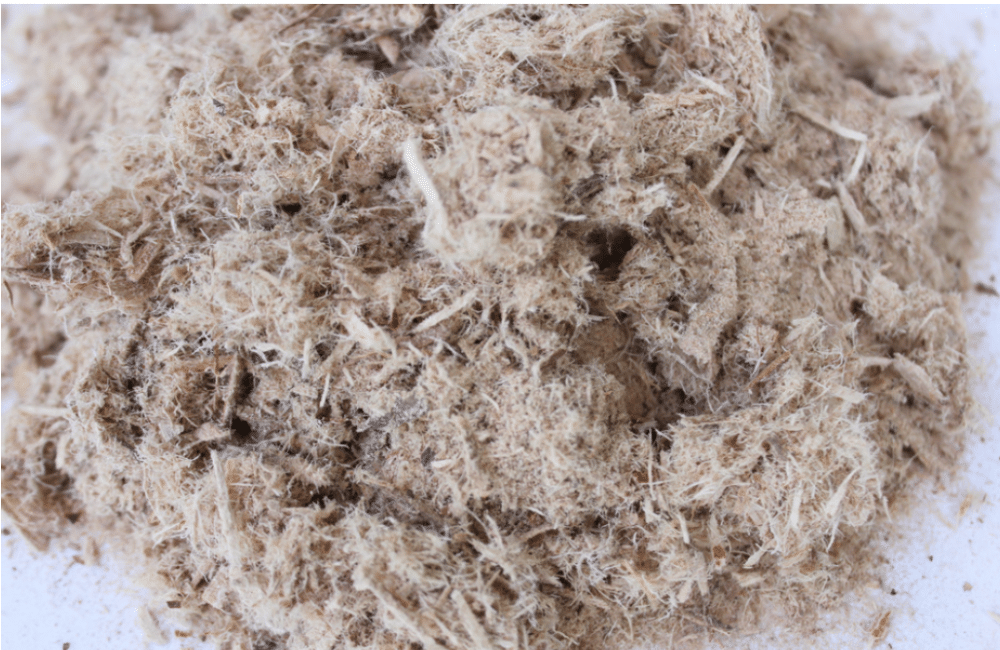
Slippery Elm (Ulmus rubra)
Slippery elm is probably the best-known demulcent herb for digestive health.
The inner bark contains large amounts of mucilage that becomes thick and slippery when mixed with water.
Traditionally, slippery elm has been used to help soothe:
- acid reflux
- gastritis
- throat irritation
- upper digestive discomfort
While slippery elm is commonly recommended by integrative practitioners, high-quality clinical trials remain limited. Much of its popularity comes from its long history of traditional use and its biologically plausible mechanism of action.
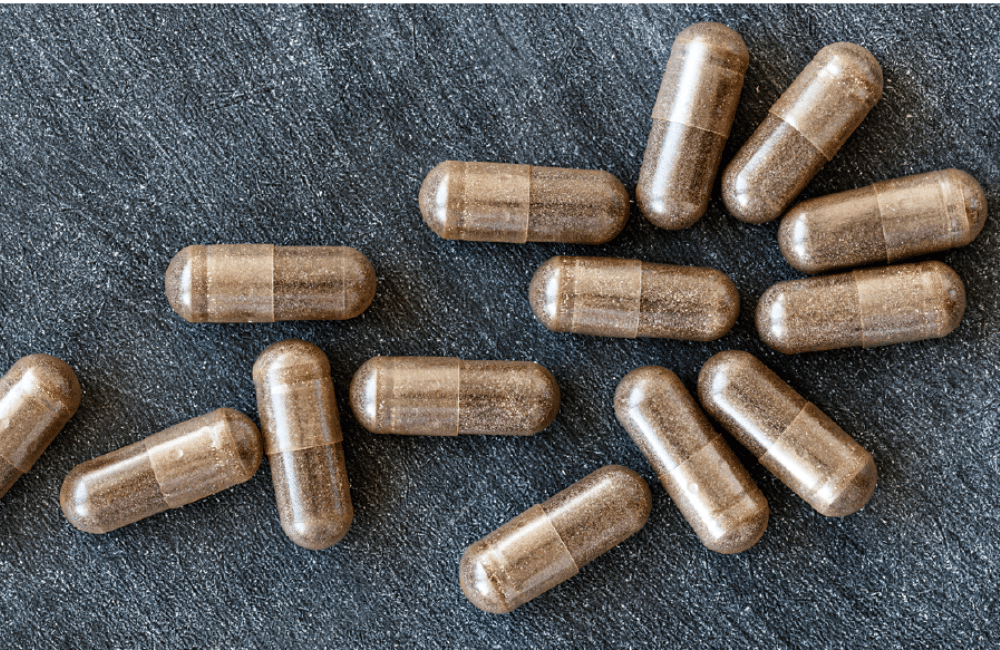
Many people find powdered slippery elm mixed with water creates a soothing beverage, while others prefer capsules or lozenges.
Marshmallow Root (Althaea officinalis)
Despite its name, marshmallow root has nothing to do with the marshmallows you roast over a campfire (darn!).
Instead, it is one of the richest natural sources of mucilage.
Like slippery elm, marshmallow root has been used for centuries to soothe irritated tissues in both the digestive and respiratory systems.
Laboratory studies suggest its polysaccharides may adhere to epithelial tissues and support the body’s normal tissue recovery processes. However, human clinical research evaluating digestive outcomes remains limited.
Many herbalists consider marshmallow root to be one of the gentlest demulcent herbs available.

Deglycyrrhizinated Licorice (DGL)
Licorice root has been used medicinally for thousands of years, but not all licorice products are created equal.
Traditional licorice root contains a compound called glycyrrhizin, which can cause sodium retention, increase blood pressure, and lower potassium levels when consumed in large amounts or over long periods.
For digestive health, you’ll usually see deglycyrrhizinated licorice (DGL). During manufacturing, most of the glycyrrhizin is removed, allowing people to benefit from licorice’s soothing properties while minimizing many of these risks.
DGL has been studied for conditions including:
- Functional dyspepsia (indigestion)
- Acid reflux (GERD)
- Gastritis
- Upper digestive discomfort
Among the commonly used demulcent herbs, DGL currently has some of the strongest human clinical evidence, particularly for improving symptoms of functional dyspepsia.
Many people take DGL as a chewable tablet 15–20 minutes before meals. Chewing stimulates saliva production, while the herb comes into direct contact with the mouth, throat, and upper digestive tract.
Important: DGL and whole licorice root are not interchangeable. If you have high blood pressure, heart disease, kidney disease, or take medications that affect potassium levels, avoid self-treating with regular licorice root unless directed by your healthcare provider.
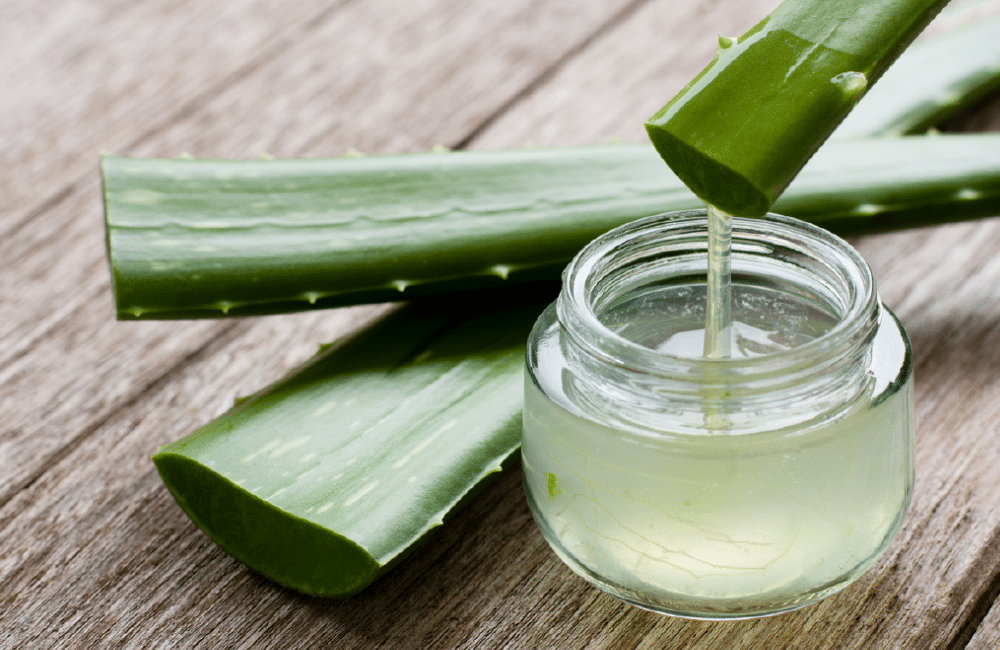
Aloe Vera
Most people associate aloe vera with soothing a sunburn, but certain aloe preparations have also been studied for digestive health.
The important word is certain.
There are two very different types of oral aloe products:
Purified Inner-Leaf Aloe
The clear gel from the inside of the leaf can be processed to remove naturally occurring anthraquinones (such as aloin). Preliminary studies suggest purified inner-leaf aloe may help reduce symptoms of acid reflux and upper digestive discomfort in some people.
Whole-Leaf Aloe or Aloe Latex
Whole-leaf products retain the yellow latex layer just beneath the leaf’s surface. This contains anthraquinones that act as stimulant laxatives.
These products may cause:
- diarrhea
- abdominal cramping
- electrolyte imbalances
- dehydration
Animal studies have also raised concerns about long-term safety of non-decolorized whole-leaf aloe extracts.
Dietitian Tip
If you’re considering aloe for digestive support, choose a purified inner-leaf or decolorized product from a reputable manufacturer. Avoid products marketed simply as “whole-leaf aloe.”
Plantain Leaf
Plantain leaf (Plantago species – not the banana-like fruit) is another herb rich in mucilage.
Although it isn’t as well known as slippery elm or marshmallow root, plantain has traditionally been used to soothe irritated mucous membranes throughout the body.
Laboratory research supports its ability to adhere to epithelial tissues, but clinical research evaluating digestive conditions remains limited.
You’ll most commonly find plantain combined with other herbs in comprehensive digestive formulas rather than used alone.
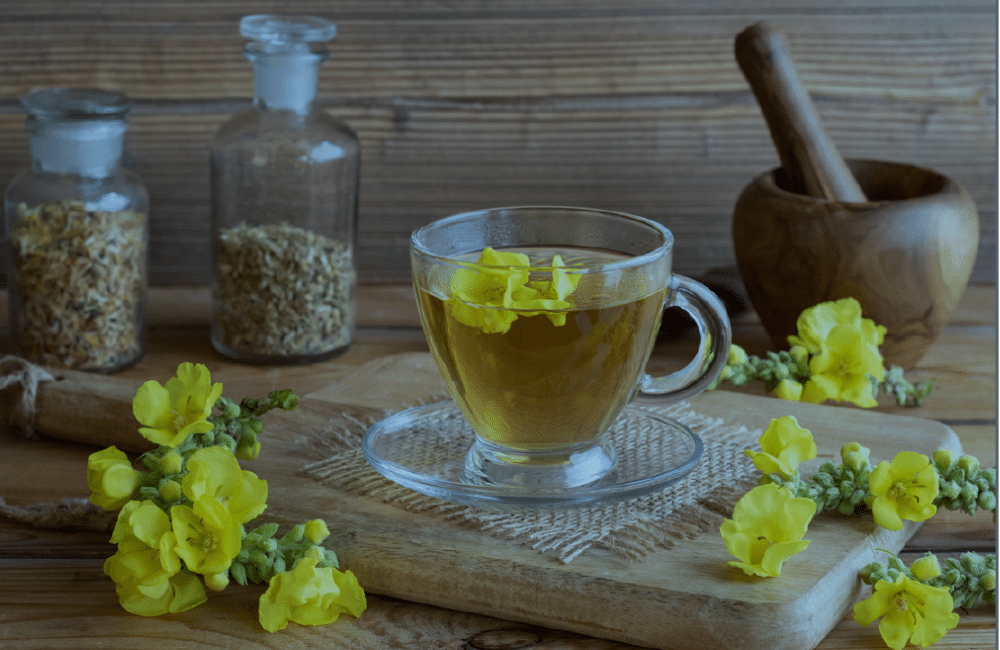
Mullein
Mullein is best known as a respiratory herb, but it also contains mucilage.
Because of this, it may help soothe irritation of the throat, particularly when chronic acid reflux contributes to frequent throat clearing, hoarseness, or a persistent sore throat.
Clinical evidence supporting digestive applications is minimal, but mullein is occasionally included in herbal blends for upper digestive and throat support.
Comparing Common Demulcent Herbs
Herb |
May Help With |
Strength of Evidence |
Important Consideration |
|---|---|---|---|
| Slippery Elm | Acid reflux, gastritis, throat irritation | Traditional use + laboratory studies | Separate from medications by at least 2 hours |
| Marshmallow Root | Upper digestive irritation, sore throat | Traditional use + laboratory studies | Generally well tolerated |
| DGL | Functional dyspepsia, reflux | Best clinical evidence | Choose DGL, not whole licorice |
| Aloe Vera (Inner Leaf) | Reflux, upper digestive discomfort | Emerging clinical evidence | Use purified inner-leaf preparations only |
| Plantain Leaf | Digestive irritation | Traditional use | Limited human research |
| Mullein | Reflux-related throat irritation | Traditional use | Primarily studied for respiratory health |

Safety Considerations
Just because something is natural doesn’t mean it’s appropriate for everyone.
Here are a few important considerations before trying any demulcent herb.
Medication Timing
Because mucilage can temporarily slow the absorption of medications and supplements, it’s generally recommended to take demulcent herbs at least two hours before or after medications unless your healthcare provider advises otherwise.
Drug Interactions
Some herbs have important interactions.
For example:
- Regular licorice root (not DGL) may increase blood pressure and lower potassium levels.
- Aloe vera may interact with diabetes medications and certain heart medications.
- Some herbal supplements may need to be stopped before surgery.
If you take prescription medications or have chronic medical conditions, discuss supplements with your healthcare provider before starting them.
Pregnancy and Breastfeeding
Safety data are limited for many herbal supplements during pregnancy and lactation.
Because research is lacking, it’s best to discuss any herbal product with your obstetric provider before using it.
Product Quality Matters
Unlike prescription medications, dietary supplements are not approved by the FDA for safety or effectiveness before they reach the market.
Under the Dietary Supplement Health and Education Act (DSHEA), manufacturers (not the FDA) are responsible for ensuring product quality.
Studies have shown considerable variability between products, and some supplements may contain contaminants or amounts of active ingredients that differ from what’s listed on the label.
Whenever possible, choose products that have undergone independent third-party testing through organizations such as:
- USP (United States Pharmacopeia)
- NSF International
- ConsumerLab
These certifications don’t guarantee that a supplement works, but they do increase confidence that it contains what the label says and is free from many common contaminants.
Dietitian Tip
If you’re considering a supplement for ongoing digestive symptoms, focus less on finding the “best” herb and more on finding the right diagnosis. Even the highest-quality supplement can’t fix a problem that hasn’t been properly identified.
Frequently Asked Questions
Can I take slippery elm every day?
It depends on why you’re taking it and for how long. While slippery elm is generally well tolerated, long-term use hasn’t been well studied. Because it may interfere with medication absorption, discuss regular use with your healthcare provider.
Can I take DGL with omeprazole or famotidine?
In many cases, yes. DGL works differently than acid-reducing medications and may be used alongside them. However, it should not replace prescribed medications without guidance from your healthcare provider.
Are demulcent herbs safe during pregnancy?
Not necessarily. Safety data are limited for most herbal products during pregnancy and breastfeeding. Always check with your obstetric provider before using them.
Which demulcent herb has the strongest evidence?
Among the herbs discussed here, DGL and certain standardized licorice extracts currently have the strongest human clinical evidence, particularly for functional dyspepsia.
Slippery elm and marshmallow root are supported primarily by traditional use, laboratory research, and smaller studies.
Can these herbs heal my gut?
No.
They may temporarily soothe irritated tissues, but they don’t heal ulcers, cure acid reflux, eliminate food sensitivities, eradicate H. pylori, or repair the underlying cause of digestive disease.
Think of them as one potential tool within a comprehensive treatment plan….not a cure.
The Bottom Line
Demulcent herbs can be a valuable addition to a comprehensive digestive health plan, but they’re just one piece of the puzzle.
Like any supplement, they aren’t inherently “good” or “bad.” They’re simply tools.
For some people, herbs such as slippery elm, marshmallow root, DGL, or purified inner-leaf aloe may help temporarily soothe irritation associated with acid reflux, gastritis, or upper digestive discomfort.
The goal, however, shouldn’t be to collect more supplements. It should be to understand why symptoms are happening in the first place and choose therapies that address both the underlying cause and your quality of life.
If you’re experiencing persistent digestive symptoms, a registered dietitian or other qualified healthcare provider can help determine whether demulcent herbs have a role in your treatment plan – and, just as importantly, whether additional evaluation is needed.
Digestive symptoms can have many different causes, and supplements aren’t one-size-fits-all. If you’re wondering whether a demulcent herb is appropriate for your situation, our registered dietitians can help you identify the underlying cause of your symptoms and develop an individualized, evidence-based nutrition plan that fits your needs.
Medical Disclaimer
The information provided on this blog is for educational and informational purposes only and is not intended as a substitute for medical advice, diagnosis, or treatment. Always consult with a qualified healthcare provider, such as your physician, pediatrician, or a registered dietitian, before making any changes to your or your child’s diet, health routine, or treatment plan.
While we are a medical practice specializing in integrative and functional nutrition, the content shared here reflects general knowledge and holistic guidance, and may not be appropriate for every individual. Reliance on any information provided on this site is solely at your own risk.
References
- Katz PO, Dunbar KB, Schnoll-Sussman FH, et al. ACG Clinical Guideline for the Diagnosis and Management of Gastroesophageal Reflux Disease. Am J Gastroenterol. 2022.
- Ford AC, Moayyedi P, Black CJ, et al. ACG Clinical Guideline: Management of Functional Dyspepsia. Am J Gastroenterol. 2022.
- Cochrane Database of Systematic Reviews. Herbal medicines for functional dyspepsia.
- National Toxicology Program. Toxicology and Carcinogenesis Studies of Non-Decolorized Whole Leaf Aloe vera Extract.
- Natural Medicines Database. Monographs for Slippery Elm, Marshmallow Root, Deglycyrrhizinated Licorice (DGL), and Aloe Vera.
- U.S. Food & Drug Administration. Dietary Supplement Health and Education Act (DSHEA).