


You eat reasonably well. You try to make balanced choices. You buy the vegetables with the best intentions.
And yet, there’s a good chance you’re still falling short on a few important nutrients.
National nutrition surveys consistently show that many women in the United States are not meeting recommended intakes for several key vitamins and minerals. This doesn’t mean you’re doing anything wrong. Modern life, changing nutrient needs, busy schedules, restrictive diets, and even normal life stages like pregnancy and menopause can make it surprisingly difficult to get everything your body needs from food alone.
The good news? Once you know where the common gaps are, you can take simple steps to close them.
Why Nutrient Gaps Matter
Nutrient deficiencies don’t always show up dramatically. More often, they show up as symptoms that are easy to dismiss or blame on being busy, stressed, or getting older.
Low energy. Brain fog. Poor sleep. Frequent illness. Hair loss. Mood changes. Constipation. Difficulty recovering from exercise.
While these symptoms can have many causes, nutrient intake is one piece of the puzzle worth paying attention to.
Many women assume that if they aren’t eating fast food every day, they’re probably getting everything they need. Unfortunately, nutrition is rarely that simple. Even people with generally healthy diets can fall short on key nutrients.
“You can eat a generally healthy diet and still have nutrient gaps. In fact, most women do.”
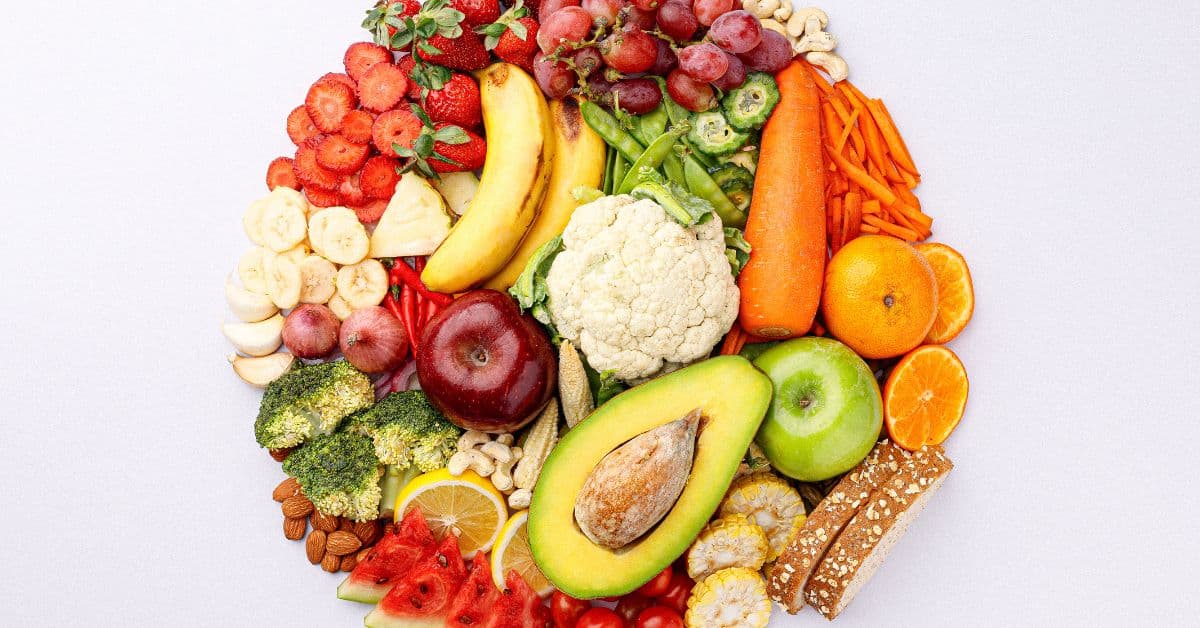

Vitamin D: The Nutrient Almost Everyone Is Missing
If there were a popularity contest for nutrient deficiencies, vitamin D would win by a landslide.
More than 97% of women don’t get enough vitamin D from food alone. While your body can make vitamin D when your skin is exposed to sunlight, many of us spend most of our days indoors, live in northern climates, wear sunscreen, or all of the above.
Vitamin D plays important roles in:
- Bone health
- Immune function
- Muscle function
- Mood regulation
- Calcium absorption
Low vitamin D levels have been associated with increased risk of osteoporosis, fractures, and impaired immune function.
Food Sources
- Salmon
- Sardines
- Mackerel
- Egg yolks
- Fortified dairy products
- Fortified plant milks
- UV-exposed mushrooms
Many women, particularly those living in northern climates, may still require supplementation to maintain adequate levels.
“If there were a popularity contest for nutrient deficiencies, vitamin D would win by a landslide.”
Iron: The Energy Mineral
Iron helps transport oxygen throughout the body and is essential for energy production.
Women of reproductive age are particularly vulnerable to iron deficiency because menstrual bleeding increases iron losses each month. In fact, iron deficiency affects roughly one in five women.
Symptoms can include:
- Fatigue
- Brain fog
- Shortness of breath
- Feeling cold
- Hair loss
- Reduced exercise tolerance
- Frequent illness
Sometimes these symptoms develop gradually, making them easy to overlook.
Food Sources
Heme iron (best absorbed):
- Beef
- Poultry
- Fish
- Shellfish
Non-heme iron:
- Lentils
- Beans
- Tofu
- Spinach
- Fortified cereals
Pairing plant-based iron sources with vitamin C-rich foods like citrus, strawberries, kiwi, or bell peppers can improve absorption.
“Sometimes ‘being tired all the time’ isn’t a personality trait. It’s iron deficiency.”

Calcium: Building Strong Bones Before Menopause
When most people think about calcium, they think about older adults and osteoporosis.
But bone health starts much earlier.
Women begin losing bone density long before menopause. The years leading up to menopause are actually an important window for building and preserving bone strength.
Unfortunately, many women don’t consume enough calcium to support optimal bone health.
Calcium supports:
- Bone strength
- Muscle contraction
- Nerve function
- Heart function
Food Sources
- Milk
- Yogurt
- Cheese
- Fortified plant milks
- Calcium-set tofu
- Sardines with bones
- Canned salmon with bones
- Kale
- Bok choy
Calcium works best alongside adequate vitamin D, protein, and resistance training.
Magnesium: The Multitasker
Magnesium doesn’t get nearly as much attention as it deserves.
This mineral is involved in more than 300 biochemical reactions throughout the body and plays roles in:
- Blood sugar regulation
- Blood pressure control
- Muscle function
- Nervous system health
- Sleep
- Stress response
Research suggests many women fall short of recommended magnesium intake.
Low magnesium status has been associated with:
- Muscle cramps
- Headaches
- Migraines
- Sleep disturbances
- Anxiety
- Cardiometabolic concerns
Food Sources
- Pumpkin seeds
- Almonds
- Cashews
- Chia seeds
- Black beans
- Spinach
- Whole grains
- Dark chocolate
“Magnesium is involved in hundreds of processes in the body, yet many women aren’t getting enough.”
Folate: Important Beyond Pregnancy
Folate often gets discussed only in the context of pregnancy, but it’s important for women at every life stage.
Folate helps support:
- DNA synthesis and repair
- Red blood cell production
- Healthy cell growth
- Nervous system function
Inadequate folate intake may contribute to anemia and elevated homocysteine levels, which are associated with cardiovascular risk.
Food Sources
- Spinach
- Kale
- Asparagus
- Brussels sprouts
- Avocado
- Lentils
- Beans
- Fortified grains
For women who could become pregnant, a supplement containing at least 400 mcg of folic acid is generally recommended before conception and during early pregnancy.
Omega-3 Fatty Acids
Most Americans consume far more omega-6 fats than omega-3 fats.
Omega-3 fatty acids, particularly EPA and DHA, support:
- Heart health
- Brain function
- Eye health
- Healthy inflammation balance
- Mood regulation
Research also suggests omega-3s may support cognitive function and emotional well-being.
Food Sources
- Salmon
- Sardines
- Mackerel
- Anchovies
- Herring
Plant-based sources include:
- Chia seeds
- Ground flaxseed
- Walnuts
These foods provide ALA, which the body can convert to EPA and DHA, although conversion rates are relatively low.
For women who don’t eat fish, algae-based supplements may be worth discussing with a healthcare provider (like your friendly neighborhood dietitian).
“Your brain, heart, hormones, and nervous system all appreciate omega-3s.”

Choline: The Nutrient You’ve Probably Never Heard Of
Despite being essential, choline is one of the most overlooked nutrients in women’s health.
Approximately 90% of Americans fail to meet recommended intake levels.
Choline supports:
- Brain health
- Liver function
- Cell membrane integrity
- Nervous system function
It is especially important during pregnancy because it supports fetal brain development.
Interestingly, estrogen helps the body produce some choline naturally. As estrogen levels decline during menopause, the risk of inadequate choline intake may increase.
Food Sources
- Eggs
- Liver
- Chicken
- Fish
- Dairy products
- Soybeans
- Edamame
One egg provides approximately 150 mg of choline, making eggs one of the richest dietary sources.
“Choline may be one of the most important nutrients you’ve never been told about.”
Vitamins A, C, and E
These antioxidant nutrients don’t always get the spotlight, but many women still fall short.
Vitamin A
Vitamin A supports:
- Vision
- Immune function
- Skin health
Food sources:
- Sweet potatoes
- Carrots
- Spinach
- Eggs
Vitamin C
Vitamin C supports:
- Immune health
- Collagen production
- Iron absorption
Food sources:
- Citrus fruits
- Strawberries
- Bell peppers
- Broccoli
- Kiwi
Vitamin E
Vitamin E helps protect cells from oxidative damage.
Food sources:
- Sunflower seeds
- Almonds
- Hazelnuts
- Avocado
The Two Nutrients Missing From Most Conversations: Protein and Fiber
Technically, these aren’t vitamins or minerals.
But if we’re talking about nutrient gaps, we can’t ignore them.
Protein
Many women underestimate how much protein they need, especially during perimenopause and menopause.
Protein supports:
- Muscle mass
- Bone health
- Metabolism
- Immune function
- Recovery from exercise
Common sources include:
- Fish
- Poultry
- Eggs
- Greek yogurt
- Cottage cheese
- Tofu
- Tempeh
- Edamame
- Beans
- Lentils
Fiber
Most women consume only about half of the recommended daily fiber intake.
Fiber supports:
- Digestive health
- Blood sugar regulation
- Cholesterol management
- Gut microbiome health
- Satiety
Good sources include:
- Vegetables
- Fruit
- Beans
- Lentils
- Oats
- Nuts
- Seeds
- Whole grains
So, Do You Need a Supplement?
Maybe.
A nutrient-rich diet should always be the foundation. But there are situations where supplements can be helpful.
This may include:
- Vitamin D deficiency
- Iron deficiency
- Pregnancy
- Certain dietary restrictions
- Specific medical conditions
- Increased nutrient needs during particular life stages
The key is personalization.
Not everyone needs the same supplements, and more isn’t always better. Some nutrients, particularly iron, can be harmful when taken unnecessarily or in excessive amounts.
A dietitian or other healthcare provider can help determine whether testing is appropriate and whether supplementation makes sense for your individual needs.
“Supplements can fill gaps, but they can’t replace a foundation of nutritious food, adequate sleep, stress management, and movement.”

The Bottom Line
Nutrient deficiencies aren’t always obvious, and they’re more common than many women realize.
The nutrients most women are likely to fall short on include:
- Vitamin D
- Iron
- Calcium
- Magnesium
- Folate
- Omega-3 fatty acids
- Choline
- Vitamins A, C, and E
And while they’re not vitamins or minerals, protein and fiber deserve a place on the list too.
The goal isn’t a perfect diet. I mean, let’s be real here. It’s awareness.
Small, consistent changes – adding more nutrient-dense foods, diversifying your meals, and addressing gaps when needed – can have a meaningful impact on your energy, mood, long-term health, and quality of life.
Are You Getting the Nutrients Your Body Needs?
Fatigue, brain fog, hair loss, poor sleep, low energy, constipation, and difficulty recovering from exercise can sometimes be linked to nutrient insufficiencies.
At Whole Lifecycle Nutrition, we help women identify potential nutrition gaps, review lab work, and create realistic strategies that support energy, hormones, digestive health, and long-term wellness.
Ready to take a closer look at your nutrition? Schedule an appointment with our team today.
MEDICAL DISCLAIMER
The information provided on this blog is for educational and informational purposes only and is not intended as a substitute for medical advice, diagnosis, or treatment. Always consult with a qualified healthcare provider, such as your physician, pediatrician, or a registered dietitian, before making any changes to your or your child’s diet, health routine, or treatment plan.
While we are a medical practice specializing in integrative and functional nutrition, the content shared here reflects general knowledge and holistic guidance, and may not be appropriate for every individual. Reliance on any information provided on this site is solely at your own risk.
REFERENCES
- Total Estimated Usual Nutrient Intake and Nutrient Status Biomarkers in Women of Childbearing Age and Women of Menopausal Age. The American Journal of Clinical Nutrition. 2021. Devarshi PP, Legette LL, Grant RW, Mitmesser SH.
- Micronutrients — Assessment, Requirements, Deficiencies, and Interventions. The New England Journal of Medicine. 2025. Allen LH.Review
- Macronutrient and Micronutrient Intake Among US Women Aged 20 to 44 Years. JAMA Network Open. 2024. Miketinas D, Luo H, Firth JA, et al.Observational
- Dietary Omega-3 Fatty Acids for Women. Biomedicine & Pharmacotherapy = Biomedecine & Pharmacotherapie. 2007. Bourre JM.
- Women and Omega-3 Fatty Acids. Obstetrical & Gynecological Survey. 2004. Saldeen P, Saldeen T.
- Low Long Chain Omega-3 Fatty Acid Status in Middle-Aged Women. Prostaglandins, Leukotrienes, and Essential Fatty Acids. 2017. Gellert S, Schuchardt JP, Hahn A.
- Magnesium Disorders. The New England Journal of Medicine. 2024. Touyz RM, de Baaij JHF, Hoenderop JGJ.
- Magnesium in Disease Prevention and Overall Health. Advances in Nutrition. 2013. Volpe SL.
- Navigating Nutrition Through the Decades: Tailoring Dietary Strategies to Women’s Life Stages. Nutrition. 2025. Harak SS, Shelke SP, Mali DR, Thakkar AA.
- Pregnancy Myths and Practical Tips. American Family Physician. 2020. Caro R, Fast J.