


Hydration is not simply about drinking as much water as possible. Your body needs the right balance of fluid and electrolytes….particularly sodium and potassium….to regulate blood volume, muscle contractions, nerve signaling, and body temperature.
For most people, drinking according to thirst, eating regular meals, and including water-rich foods is enough. Electrolyte drinks may be useful during prolonged exercise, heavy sweating, illness, significant heat exposure, or when recommended for a medical condition, but they are not an everyday requirement for everyone.
What Does It Mean to Be Hydrated?
Every summer we hear the same advice: drink more water. It is not bad advice, but it is incomplete.
Hydration means maintaining an appropriate balance of fluid and electrolytes. Water is involved in nearly every major physiological process, including:
- Regulating body temperature
- Maintaining blood volume and circulation
- Transporting nutrients
- Supporting digestion and bowel regularity
- Lubricating joints and tissues
- Removing waste through urine and stool
- Supporting brain, kidney, and muscle function
But your body does not manage water in isolation. Electrolytes help determine where fluid goes and how well your cells can use it.

How Much Water Do You Actually Need?
There is no single water goal that fits every person.
The National Academies set an Adequate Intake for total water of about:
- 2.7 liters (roughly 11½ cups) per day for adult women
- 3.7 liters (roughly 15½ cups) per day for adult men
These numbers include water from both beverages and food, and they are population-level estimates rather than daily targets each person must measure. Research has found these intakes sufficient for most US adults to maintain well-diluted urine. Notably, European authorities set somewhat lower values, which reinforces the point that there is no universal number.
Fluid needs vary with:
- Body size
- Activity level
- Climate and heat exposure
- Sweat rate
- Pregnancy or lactation
- Illness, fever, vomiting, or diarrhea
- Medications
- Kidney, heart, and endocrine function
- The amount of water-rich food in your diet
Needs also change day to day. Someone working outside in August will generally need more fluid than someone in an air-conditioned office.
Bottom line: Hydration needs are individualized. You do not automatically need eight glasses, half your body weight in ounces, or a gallon of water every day.
Water Isn’t the Only Source of Hydration
Plain water is excellent and inexpensive, but it is not the only option. Beverages that contribute to hydration include milk and fortified plant milks, sparkling water, herbal tea, coffee and tea, smoothies, broth and soup, and oral rehydration beverages when medically appropriate.
Despite its reputation, moderate coffee or tea still contributes to fluid intake. In a controlled crossover study, men who habitually drank coffee showed no difference from water in total body water, 24-hour urine volume, urine concentration, or body weight. Pooled research has found only a small diuretic effect, and that effect disappeared during exercise. Up to about 400 mg of caffeine daily – roughly four cups of coffee – has not been shown to have detrimental hydration effects. Your morning coffee counts.
Food also supplies a meaningful share of the water we take in. Good options include melons, berries, peaches, citrus, cucumbers, tomatoes, zucchini, leafy greens, yogurt, soups and stews, and smoothies.
Meals also provide carbohydrates and sodium that help the body absorb and hold onto fluid. Regular eating is genuinely part of staying hydrated, particularly on active or very hot days.

What Do Electrolytes Do?
Electrolytes are minerals that carry an electrical charge in fluid. The main ones relevant to hydration are sodium, potassium, chloride, magnesium, and calcium. They help regulate fluid balance, nerve signaling, muscle contraction, heart rhythm, and acid-base balance.
Sodium. Sodium is the primary electrolyte lost in sweat – roughly a gram for every liter of sweat, on average. But this varies widely between people based on genetics, heat acclimation, exercise intensity, and conditions. Sweat rates vary just as much, from a modest trickle to well over two liters an hour in a hard effort in the heat.
Potassium. Potassium sits mainly inside cells and supports muscle contraction, nerve function, and fluid balance. Fruits, vegetables, beans, lentils, dairy, and potatoes are good sources.
Carbohydrates. Carbohydrates are not electrolytes, but glucose helps the intestine absorb sodium and water. The two are transported together across the gut wall, and that pathway keeps working even during diarrhea. This is why oral rehydration solutions contain a specific glucose-and-electrolyte combination rather than just salt in water.
That does not mean every drink needs sugar. It means carbohydrates serve a real purpose in specific situations.
When Is Plain Water Enough?
For most people, plain water plus regular meals covers:
- Typical daily activities
- Short or lower-intensity workouts
- Light recreational activity
- Limited heat exposure
- Days without heavy sweating or major fluid loss
If you are drinking when thirsty, eating regularly, and feeling well, you probably do not need an electrolyte packet in every bottle. Electrolyte products can be convenient, but marketing has managed to turn flavored salt into something that sounds essential for surviving a trip to Target.
When Might Electrolytes Be Helpful?
Prolonged or intense exercise. Rather than a fixed time cutoff, the American College of Sports Medicine frames added sodium around actual losses: sodium is worth adding when sweat sodium losses are large. High sweat rates, people who are “salty sweaters,” or exercise lasting more than about two hours. A shorter but very sweaty outdoor session may warrant more support than a longer, gentle indoor one.
After exercise. Most people finish a hard session with a fluid deficit. Effective rehydration generally requires drinking somewhat more than you lost – about 1.25 to 1.5 liters for every kilogram of body weight lost – taken at a steady rather than rapid pace. Sodium should not be restricted afterward, because sodium is what allows the fluid you drink to be retained rather than urinated out.
Heavy sweating or heat exposure. Extra sodium and fluid may help if you work outdoors, exercise in heat or humidity, sweat heavily, see visible salt on your skin or clothing, or spend long stretches outside without meals.
Vomiting or diarrhea. These cause substantial water and electrolyte losses, and a properly formulated oral rehydration solution works better than plain water. Sports drinks and oral rehydration solutions are not interchangeable: a balanced commercial ORS is formulated with a specific sodium-to-glucose ratio designed to maximize intestinal absorption. Sports drinks can provide partial sodium and potassium replacement but are not adequate on their own for significant diarrheal illness. Major guidelines recommend reduced-osmolarity ORS as first-line for mild-to-moderate dehydration at any age. Infants, young children, older adults, and anyone with severe or persistent symptoms need prompt medical guidance.
Pregnancy or lactation. Fluid needs typically increase. Nausea, vomiting, heat, and appetite changes can make those needs harder to meet. Electrolytes are not universally necessary, but may help when vomiting, heavy sweating, or poor intake raises dehydration risk. Persistent vomiting in pregnancy warrants a conversation with a clinician.
POTS (postural orthostatic tachycardia syndrome). Increased salt and fluid are considered first-line non-drug therapy. For people with suspected low blood volume, published expert guidance suggests roughly 2–3 liters of water and 10–12 grams of salt; that is table salt, not 10–12 grams of sodium; daily. A crossover study found a high-sodium diet eliminated the plasma volume deficit seen in POTS and reduced the standing heart rate rise. The right amount depends on your history, medications, and blood pressure. Follow your own care plan, not generic advice from an electrolyte company or, frankly, from a blog.
Certain medications and conditions. Diuretics, laxatives, and some blood pressure medications affect fluid or electrolyte balance. Anyone with kidney disease, heart failure, high blood pressure, liver disease, or adrenal disorders should talk with a clinician before deliberately increasing sodium, potassium, or fluid.
Important: More electrolytes are not automatically better. For some conditions, sodium, potassium, and fluid need to be limited rather than increased.

Signs You May Need More Fluid
Possible signs of inadequate intake include thirst, dry mouth, headache, fatigue, dizziness, reduced urine output, darker urine, constipation, and reduced exercise performance.
One important caveat: these symptoms overlap almost entirely with the early signs of low blood sodium from drinking too much. If you have been drinking heavily during a long event and develop headache, nausea, or confusion, the problem may be too much water rather than too little, and drinking more plain water would make it worse. There is no reliable way to tell these apart without a blood test, which is why symptoms in that setting need medical evaluation rather than guesswork.
Urine color is a rough clue at best; supplements, medications, foods, and medical conditions all affect it. Clear urine all day is not an achievement; it often just means you are drinking more than you need.
Seek prompt medical attention for confusion, fainting, a rapid or weak pulse, inability to keep fluids down, minimal urination, severe weakness, or signs of heat illness.
How to Choose an Electrolyte Product
Sodium content. If the goal is replacing real sweat losses, a product with a token amount of sodium will not do much. Check the label and compare. The range across products is enormous. A high-sodium product is not right for everyone.
Carbohydrate content. Carbs support fluid absorption and provide energy during prolonged exercise or illness. Lower-sugar options are fine for casual use, but “zero sugar” is not automatically superior.
Potassium and magnesium. These contribute to overall intake, but sodium is the main electrolyte lost in sweat. High-dose magnesium can cause diarrhea….a counterproductive hydration strategy.
Added ingredients. Caffeine, megadose vitamins, herbal additives, artificial sweeteners, and sugar alcohols are often unnecessary and can cause GI symptoms.
Your reason for using it. Ask: what problem am I solving? An endurance athlete, someone recovering from a stomach virus, and someone who just wants water to taste better do not need the same product.
Can You Drink Too Much Water?
Yes. Exercise-associated hyponatremia develops when you take in more fluid than you lose and a hormone that tells the kidneys to hold onto water stays inappropriately switched on, so the extra water cannot be cleared. Sweat sodium loss can contribute, but overdrinking is the primary driver. It is more common in recreational athletes, whose sweat rates are lower but whose belief in the need to drink is often higher.
Symptoms include bloating, puffiness, weight gain during the event, nausea, vomiting, and headache, progressing in severe cases to confusion, seizures, or loss of consciousness.
If these symptoms develop after drinking heavily during exercise, stop exercising, stop drinking fluids, and seek medical assessment. This is not something to sort out at home. Mild low blood sodium and dehydration look nearly identical from the outside, and the treatments are opposite. Telling them apart requires a blood sodium measurement.
Practical prevention:
- Drink to thirst. This is the primary recommended strategy, and fixed, one-size-fits-all fluid rules are considered inappropriate given how variable sweat losses are.
- Do not gain weight during exercise. No one should. If weight is rising during a long event, fluid intake should be reduced.
- Be aware of NSAIDs. Anti-inflammatories such as ibuprofen and naproxen can affect how the kidneys handle water and have been identified as a risk factor for low blood sodium during endurance events. This does not mean they must never be used, but it is worth being thoughtful about taking them before or during a long race, and worth discussing with a clinician if you use them regularly.
Practical Ways to Stay Hydrated
- Drink when you are thirsty.
- Keep fluid available at meals, during exercise, and outdoors.
- Start hot or active days reasonably well hydrated.
- Eat regular meals and snacks.
- Include fruits and vegetables through the day.
- Increase fluids gradually during heat exposure.
- Use a water bottle you will actually carry.
- Flavor water with citrus, berries, cucumber, mint, or herbs if that helps.
- Pair fluid with an existing routine, like breakfast or medications.
- Bring extra fluid and salty foods for long, sweaty activities.
- Watch for changes in thirst, urine output, symptoms, weather, and activity.
If remembering is the hard part, use checkpoints rather than constant sipping: breakfast, midmorning, lunch, midafternoon, dinner, and around exercise.
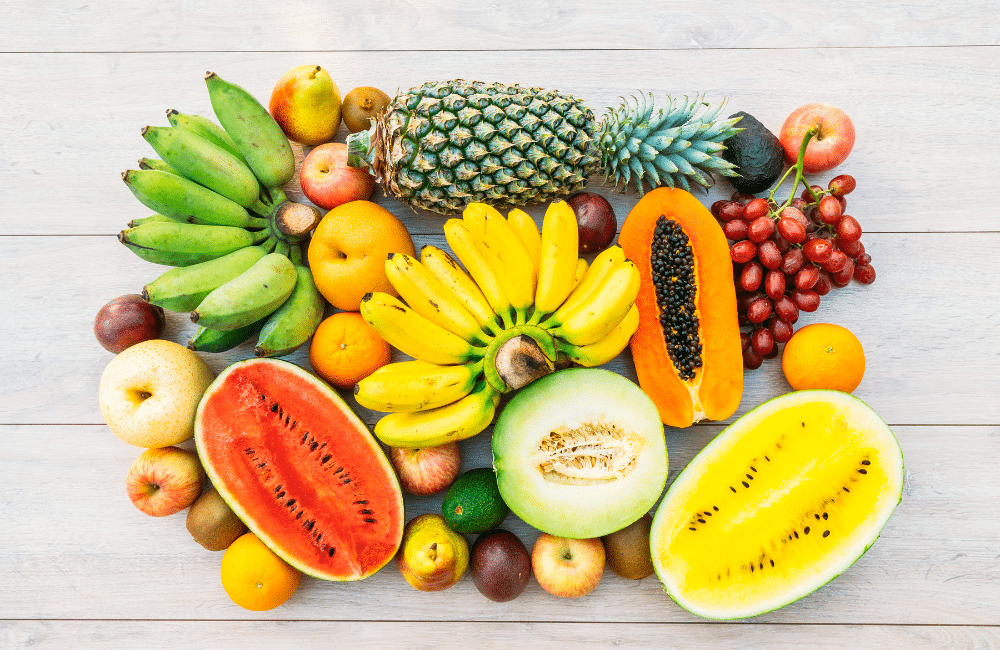
Hydrating Foods to Include This Summer
Food |
Hydration-supporting Nutrients |
Easy Way to Use It |
|---|---|---|
| Watermelon | Water and potassium | Add to salads or eat as a snack |
| Berries | Water, carbohydrates, antioxidants | Add to yogurt, oats, or smoothies |
| Cucumbers | High water content | Sandwiches, salads, infused water |
| Tomatoes | Water and potassium | Salads, salsa, grain bowls |
| Zucchini | Water and potassium | Grill, roast, sauté, or freeze for smoothies |
| Yogurt | Fluid, protein, potassium, sodium | Pair with fruit or blend into a smoothie |
| Beans and lentils | Potassium, carbohydrates, protein | Salads, burgers, soups, bowls |
| Potatoes | Potassium and carbohydrates | Roast, grill, or chilled summer salad |
| Broth-based soup | Fluid and sodium | Helpful when appetite is low or during illness |
| Smoothies | Fluid plus customizable nutrients | Fruit, vegetables, and a protein source |
The Bottom Line
Hydration is about balancing water and electrolytes, not maximizing plain water volume. For most people, thirst, regular meals, water-rich foods, and steady access to fluids are a solid foundation. Electrolyte beverages earn their place when exercise, heavy sweating, illness, heat, or a medical condition genuinely raises fluid and sodium needs.
The goal is noticing what your body and circumstances require, and responding.
Frequently Asked Questions
Do I need electrolytes every day? Most people do not. Water and a varied diet cover ordinary activity. Daily use may make sense for certain athletes, medical conditions, work environments, or heavy sweaters.
Is coconut water a good electrolyte drink? It provides fluid, carbohydrates, and potassium, but is relatively low in sodium. Refreshing for casual hydration; often insufficient to replace sodium after heavy sweating.
Does coffee dehydrate you? No. Moderate coffee contributes to overall fluid intake. Caffeine may increase urination slightly, especially in people not used to it, but not enough to offset the fluid in the cup.
Is thirst a reliable guide? Reasonably, for healthy adults in daily life, and it is the recommended guide even during endurance exercise. It is less reliable in older adults, young children, during illness, and in extreme heat — plan fluid access in those settings.
Should my urine always be clear? No. Pale yellow generally suggests adequate hydration. Consistently clear urine usually means intake exceeds need. Color is only one clue and is affected by food, supplements, medications, and health conditions.
Are sugar-free electrolytes better? Not automatically. They are useful when you want flavor without carbohydrates, but glucose improves sodium and water absorption and provides fuel during prolonged exercise or GI illness. It depends on why you are using it.
Can electrolyte products cause digestive symptoms? Yes. High magnesium, sugar alcohols, certain sweeteners, inulin, or very concentrated solutions can cause nausea, bloating, cramping, or diarrhea.
Medical Disclaimer
The information provided on this blog is for educational and informational purposes only and is not intended as a substitute for medical advice, diagnosis, or treatment. Always consult with a qualified healthcare provider, such as your physician, pediatrician, or a registered dietitian, before making any changes to your or your child’s diet, health routine, or treatment plan.
While we are a medical practice specializing in integrative and functional nutrition, the content shared here reflects general knowledge and holistic guidance, and may not be appropriate for every individual. Reliance on any information provided on this site is solely at your own risk.
References
- Institute of Medicine. Dietary Reference Intakes for Water, Potassium, Sodium, Chloride, and Sulfate. National Academies Press; 2005.
- Seal AD, et al. Total water intake guidelines and hydration in US adults. Eur J Nutr. 2023.
- Killer SC, et al. Moderate coffee intake and hydration. PLoS One. 2014;9:e84154.
- Zhang Y, et al. Caffeine and diuresis during rest and exercise. J Sci Med Sport. 2015;18:569–574.
- van Dam RM, et al. Coffee, caffeine, and health. N Engl J Med. 2020;383:369–378.
- Thomas DT, et al. Nutrition and athletic performance. Med Sci Sports Exerc. 2016;48:543–568.
- Sawka MN, et al. Exercise and fluid replacement. Med Sci Sports Exerc. 2007;39:377–390.
- Bennett BL, et al. Exercise-associated hyponatremia guidelines. Wilderness Environ Med. 2020;31:50–62.
- Seal AD, Kavouras SA. Exercise-associated hyponatremia: risks and prevention. Auton Neurosci. 2022.
- Riddle MS, et al. Acute diarrheal infections in adults. Am J Gastroenterol. 2016;111:602–622.
- Shane AL, et al. Infectious diarrhea clinical guidelines. Clin Infect Dis. 2017;65:e45–e80.
- Sheldon RS, et al. Expert consensus on postural tachycardia syndrome. Heart Rhythm. 2015;12:e41–e63.
- Garland EM, et al. High dietary sodium intake in POTS. J Am Coll Cardiol. 2021;77:2174–2184.