


Hashimoto’s Thyroiditis: What It Is, How It Works, And How To Support Your Body
If you have been diagnosed with Hashimoto’s thyroiditis, or have been told your labs are “borderline” but you still feel off, you are not imagining things.
Hashimoto’s is the most common autoimmune thyroid condition worldwide and the leading cause of hypothyroidism in iodine-sufficient regions, accounting for up to 85% of cases.
And yet, it is often framed far too narrowly.
Some conversations reduce Hashimoto’s to a simple hormone deficiency solved by medication alone. Others push restrictive diets, blanket gluten elimination, or supplement protocols that promise to “reverse autoimmunity.” Neither extreme reflects how this condition actually behaves in the body.
So let’s slow this down and get grounded.
This post walks through what Hashimoto’s thyroiditis is, how it differs from general hypothyroidism, how it’s diagnosed and treated, and how nutrition and lifestyle can meaningfully support your body alongside medical care – without the added fear, rigidity, or false guarantees.
“Hashimoto’s isn’t just low thyroid hormone. It’s a chronic immune process that unfolds over time.”
What Is Hashimoto’s Thyroiditis?
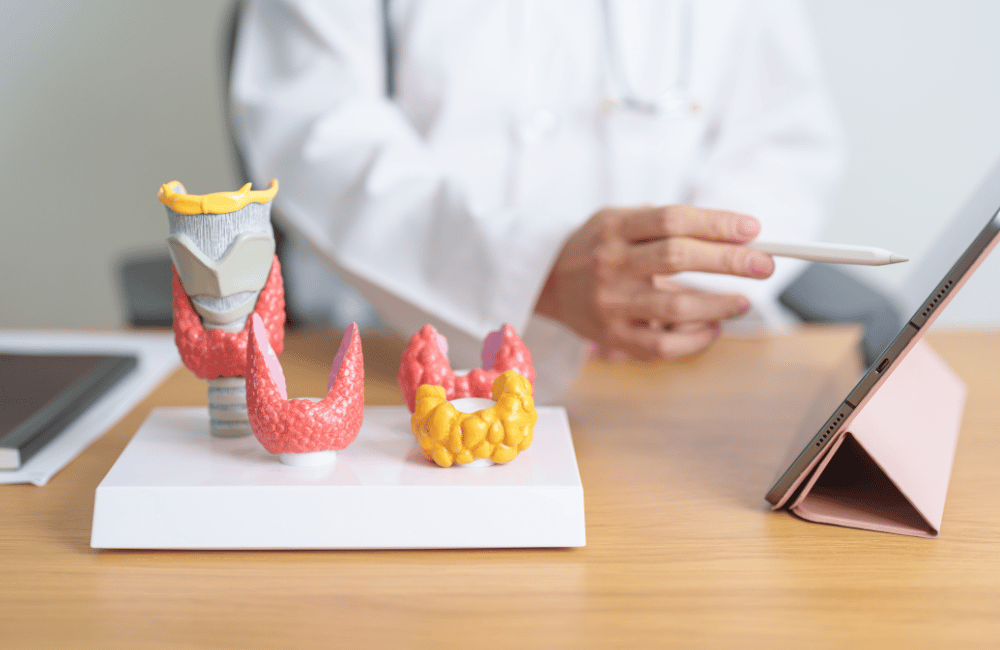
Hashimoto’s thyroiditis is an autoimmune condition characterized by chronic lymphocytic infiltration of the thyroid gland and gradual destruction of thyroid tissue.
In Hashimoto’s, the immune system produces antibodies, primarily thyroid peroxidase antibodies (TPOAb) and often thyroglobulin antibodies (TgAb), that target thyroid cells. Over time, this immune activity reduces the gland’s ability to produce adequate thyroid hormone.
This is why Hashimoto’s typically leads to hypothyroidism, though not always immediately.
Early in the disease process, thyroid hormone levels may be normal. Some individuals even experience brief periods of excess hormone release (sometimes called hashitoxicosis) due to inflammatory destruction releasing stored hormone.

What Distinguishes Hashimoto’s From General Hypothyroidism?
Not all hypothyroidism is autoimmune.
Hashimoto’s is distinct because it involves:
- Autoantibodies against thyroid peroxidase and thyroglobulin
- Chronic immune-mediated destruction of thyroid tissue
- Characteristic lymphocytic infiltration on histology
Other causes of hypothyroidism, like iodine deficiency, thyroid surgery, radiation, or medication effects, reduce thyroid hormone for different reasons and follow different trajectories.
Clinically, Hashimoto’s often presents with a firm, symmetric, painless goiter with a slightly irregular surface. About 10% of patients eventually develop thyroid atrophy, representing late-stage thyroid failure.
“Hashimoto’s is not just a hormone problem. It’s a tissue-level immune process.”
Common Symptoms (And Why They’re So Variable)
Symptoms of Hashimoto’s reflect slowed metabolic processes, but they don’t always correlate cleanly with lab values.
Common symptoms include:
- Fatigue (reported in 68–83% of patients)
- Weight gain (24–59%)
- Brain fog, memory issues, and difficulty concentrating (45–48%)
- Cold intolerance
- Constipation and dry skin
- Depression, myalgias, and low exercise tolerance
- Menstrual irregularities, including heavy or irregular cycles (≈23%)
Many of these symptoms are nonspecific. That’s why people are often told their thyroid is “fine” even when antibodies are elevated and symptoms are real.
“Normal labs don’t always mean a quiet immune system.”
How Hashimoto’s Is Diagnosed
Core Thyroid Labs
Diagnosis is based on a combination of thyroid hormone levels and antibody testing:
- TSH: Elevated (>4.0–4.5 mIU/L)
- Free T4: Low in overt hypothyroidism, normal in subclinical cases
- TPO antibodies: Present in 90–95% of patients
- Thyroglobulin antibodies: Elevated in 20–80% of patients
An elevated TSH with positive TPO antibodies confirms Hashimoto’s thyroiditis.

Additional Labs That Matter
Because Hashimoto’s rarely exists in isolation, further evaluation is often warranted:
- Serum ferritin: Iron deficiency is common due to autoimmune gastritis and celiac disease; ferritin below optimal levels can impair thyroid hormone metabolism
- Vitamin D (25‑OH): Deficiency is frequently observed in autoimmune thyroid disease
- Vitamin B12: Low levels may reflect autoimmune gastritis or pernicious anemia
- Celiac screening (tTG antibodies): Particularly in patients with GI symptoms or refractory hypothyroidism
- Comprehensive metabolic panel: To assess metabolic and liver function changes that can accompany hypothyroidism
Restoring ferritin above ~100 µg/L has been shown to improve persistent hypothyroid symptoms in a significant proportion of women, even when TSH is treated appropriately.
Treatment: What Actually Changes Outcomes
Medication
Levothyroxine (LT4) is the first-line treatment for:
- All patients with overt hypothyroidism
- Subclinical hypothyroidism with elevated thyroid antibodies
Treatment goals include:
- Normalizing TSH
- Improving symptoms
- Reducing risk of progression to overt hypothyroidism
Dosing should be individualized, with lower starting doses for older adults or those with cardiovascular disease. TSH is typically reassessed 6–8 weeks after dose changes, then monitored annually once stable.
Medication replaces hormone. It does not turn off autoimmunity which is why supportive strategies matter.

Nutrition and Supplements: Supportive, Not Curative
Nutrition does not “reverse” Hashimoto’s, but it strongly influences immune regulation, oxidative stress, and symptom burden.
Key Nutrition Considerations
- Iodine: Adequate intake is essential, but chronic excess can worsen autoimmune activity by increasing thyroglobulin immunogenicit
- Iron: Deficiency impairs thyroid peroxidase activity and thyroid hormone metabolism
- Selenium: The strongest evidence among supplements for reducing TPO and thyroglobulin antibody levels
- Vitamin D: Deficiency is common and should be corrected
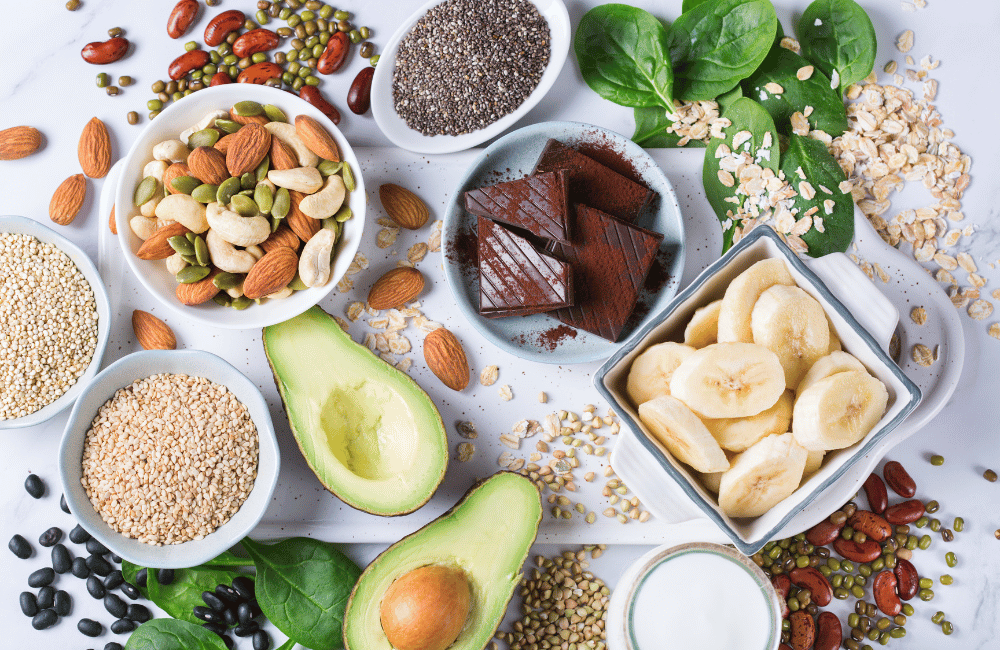
- Magnesium, zinc, vitamin A, and B12: Support immune function and thyroid physiology
Selenium supplementation (200 µg/day as selenomethionine) for at least six months has demonstrated meaningful reductions in thyroid antibody levels in multiple trials.
More supplementation is not better. The goal is targeted repletion, not stacking protocols.
A Note on Celiac Disease and Hashimoto’s
Hashimoto’s and celiac disease share a strong genetic and immunologic overlap, primarily through HLA‑DQ2 and HLA‑DQ8 haplotypes, common genetic markers that shape how the immune system recognizes certain proteins, including gluten.
Key points:
- Approximately 5–7% of patients with autoimmune thyroid disease test positive for celiac antibodies
- Up to 10–30% of patients with celiac disease are thyroid antibody positive
- Mendelian randomization studies suggest Hashimoto’s may causally increase celiac disease risk
This does not mean everyone with Hashimoto’s needs to avoid gluten. It does mean that unexplained GI symptoms, nutrient deficiencies, or persistent hypothyroid symptoms warrant proper screening, not assumptions.
“Targeted testing beats blanket restriction.”
Lifestyle Factors That Influence Progression
- Anti-inflammatory dietary patterns, such as a Mediterranean-style diet, support immune regulation and metabolic health
- Adequate protein and micronutrient intake protects muscle and energy levels
- Stress physiology matters as chronic stress can amplify immune dysregulatio
- Regular monitoring is essential; over half of antibody-positive women with elevated TSH progress to overt hypothyroidism over time
Lifestyle support is not about perfection. It’s about reducing unnecessary immune load.
A Practical Meal Idea for Hashimoto’s Support
Balanced Breakfast or Snack Option:
- Scrambled eggs or tofu
- Sautéed spinach and zucchini in olive oil
- Roasted sweet potatoes or quinoa
- Optional side of berries
Why this works:
- Provides protein for metabolic stability
- Supplies iron, magnesium, and antioxidants
- Includes healthy fats to support immune balance
- Gentle on digestion without excessive restriction
Remember: Consistency matters more than dietary extremes.
The Bottom Line
Hashimoto’s thyroiditis is a chronic autoimmune condition that unfolds gradually often long before labs look dramatic.
Medication(s) replaces missing hormone(s). Nutrition, lifestyle, and targeted supplementation support immune regulation and protect the systems most affected by hypothyroidism.
The goal is not to “fix” your immune system. It’s to reduce friction, correct deficiencies, and support your body while evidence-based medical care does its job.
“That’s not alternative care. That’s integrated, comprehensive, and informed care.”
Need support navigating Hashimoto’s alongside thyroid medication?
Our integrative dietitians help clients with autoimmune thyroid disease interpret labs, address nutrient deficiencies, and build sustainable nutrition strategies that support energy, metabolism, and long-term thyroid health – without unnecessary restriction.
MEDICAL DISCLAIMER
The information provided on this blog is for educational and informational purposes only and is not intended as a substitute for medical advice, diagnosis, or treatment. Always consult with a qualified healthcare provider, such as your physician, pediatrician, or a registered dietitian, before making any changes to your or your child’s diet, health routine, or treatment plan.
While we are a medical practice specializing in integrative and functional nutrition, the content shared here reflects general knowledge and holistic guidance, and may not be appropriate for every individual. Reliance on any information provided on this site is solely at your own risk.
REFERENCE
- Hypothyroidism. Chaker L, Papaleontiou M. JAMA. 2025;:2838457. doi:10.1001/jama.2025.13559.
- Hashimoto’s Thyroiditis: An Update on Pathogenic Mechanisms, Diagnostic Protocols, Therapeutic Strategies, and Potential Malignant Transformation. Ralli M, Angeletti D, Fiore M, et al. Autoimmunity Reviews. 2020;19(10):102649. doi:10.1016/j.autrev.2020.102649.
- Thyroiditis. Pearce EN, Farwell AP, Braverman LE. The New England Journal of Medicine. 2003;348(26):2646-55. doi:10.1056/NEJMra021194.
- Thyroiditis: Evaluation and Treatment. Martinez Quintero B, Yazbeck C, Sweeney LB. American Family Physician. 2021;104(6):609-617.
- Hypothyroidism: Diagnosis and Treatment. Wilson SA, Stem LA, Bruehlman RD. American Family Physician. 2021;103(10):605-613.
- Hypothyroidism. Chaker L, Razvi S, Bensenor IM, et al. Nature Reviews. Disease Primers. 2022;8(1):30. doi:10.1038/s41572-022-00357-7.
- Hypothyroidism. McDermott MT. Annals of Internal Medicine. 2020;173(1):ITC1-ITC16. doi:10.7326/AITC202007070.
- Metabolic Characteristics of Hashimoto’s Thyroiditis Patients and the Role of Microelements and Diet in the Disease Management-an Overview. Mikulska AA, Karaźniewicz-Łada M, Filipowicz D, Ruchała M, Główka FK. International Journal of Molecular Sciences. 2022;23(12):6580. doi:10.3390/ijms23126580.
- The Role of Immunological Challenges, Oxidative Stress, and Dietary Interventions in Managing Hashimoto’s Thyroiditis: A Narrative Review. Morasiewicz-Jeziorek J, Buczyńska A, Krętowski AJ, Adamska A. Nutrition Reviews. 2026;:nuaf195. doi:10.1093/nutrit/nuaf195.