


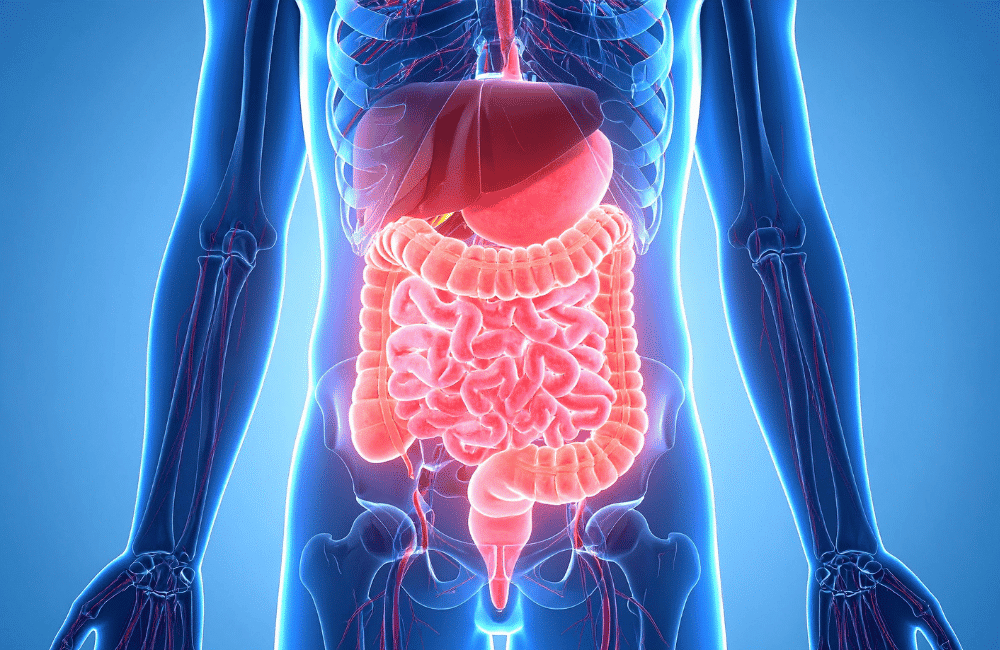
Your brain and digestive tract communicate continuously through nerves, hormones, immune signals, and other chemical messengers. This network is known as the gut-brain axis.
When your brain detects stress – whether physical, emotional, or psychological – it can change digestive movement, secretion, sensitivity, appetite, and pain perception. This may contribute to nausea, reflux, abdominal pain, bloating, constipation, diarrhea, or an urgent need to use the bathroom.
These physical symptoms are real. Stress affecting digestion is not imaginary, or “all in your head.” It also does not mean stress is the only possible cause. Persistent, severe, or changing symptoms deserve an appropriate medical evaluation.
Many people with disorders of gut-brain interaction connect their symptoms to food, and nutrition is often an important part of treatment. Working with a registered dietitian from the beginning can make treatment safer, more effective, and less confusing.

What Is the Gut-Brain Connection?
Have you ever felt nauseated before a presentation, lost your appetite during a difficult week, or suddenly needed a bathroom when you were nervous?
That is not a coincidence. The saying “butterflies in your stomach” has existed longer than the science to support it. Your brain and digestive tract are in constant, two-way communication:
- The brain influences digestion.
- The digestive tract sends information back to the brain.
- Each can affect how the other responds.
The communication between brain and gut helps regulate hunger, fullness, digestion, bowel movements, immune activity, and the perception of sensations such as pressure, fullness, discomfort, and pain.
The connection becomes especially important in conditions now known as disorders of gut-brain interaction, or DGBIs. These include irritable bowel syndrome, functional dyspepsia, functional constipation, and several other digestive conditions.
In these disorders, changes in digestive movement, intestinal sensitivity, immune activity, microbial signaling, and the way the brain processes digestive sensations may all contribute to symptoms – even when testing shows no visible damage to the digestive tract.
The saying “butterflies in your stomach” has existed longer than the science to support it.
How Does the Brain Communicate With the Gut?
The gut-brain axis is not one single structure. It is a network of overlapping systems.
The Nervous System
The brain and digestive tract communicate through the central nervous system, autonomic nervous system, and enteric nervous system; a network of nerve cells throughout the gastrointestinal (GI) tract.
The enteric nervous system helps coordinate:
- Muscle contractions that move food through the gut
- Digestive secretions
- Blood flow
- Nutrient absorption
- Feelings of fullness, pressure, discomfort, and pain
The vagus nerve is one important communication route between the brain and many internal organs. However, the entire gut-brain relationship cannot be reduced to “stimulating the vagus nerve,” no matter how confidently a wellness reel may suggest otherwise.
Stress Hormones
When your brain perceives a threat, it activates stress-response systems that release hormones and chemical messengers, including cortisol and adrenaline.
Your body temporarily prioritizes immediate survival over functions that can wait, including certain aspects of digestion.
The problem is not that the stress response exists. We very much want it available when necessary. The problem is that work demands, caregiving, financial strain, poor sleep, illness, trauma, uncertainty, and modern life tend to keep it activated more often than intended. To your body, your boss emailing about a deadline can activate the same “fight or flight” stress response as a predator chasing you through the woods.
The Immune System
The GI tract contains extensive immune tissue. Stress-related signaling may influence immune activity, intestinal barrier function, and inflammation, while immune signals can affect the brain and nervous system.
An important caveat: much of what we know about the detailed biological mechanisms comes from animal research, and the human evidence is more limited. This relationship does not mean everyday stress automatically causes inflammatory bowel disease or another inflammatory digestive condition.
The Gut Microbiota
The microorganisms living in the digestive tract interact with food, the intestinal lining, immune cells, and metabolic compounds. Some microbial products may also participate in communication along the gut-brain axis.
This is a promising area of research, but the science is still developing. A commercial stool test cannot currently identify which organism is responsible for a person’s stress, mood, or digestive symptoms.
The microbiome matters. It simply does not need to be held responsible for absolutely everything. Wellness influencers saying things like “heal your gut, heal your life” are taking it too far.

What Happens to Digestion During Stress?
Stress can affect several aspects of digestive function.
Digestive Movement Can Speed Up or Slow Down
Stress may alter motility, or how quickly food and waste move through the digestive tract.
For some people, this means faster movement through the colon, loose stools, or an urgent need to have a bowel movement. For others, movement may slow, contributing to early fullness or constipation.
Some people experience both patterns at different times (because biology remains deeply committed to being inconvenient).
The Gut Can Become More Sensitive
Stress does not always create more gas, stool, or intestinal stretching. Sometimes it changes how strongly those normal digestive sensations are perceived.
This is known as visceral hypersensitivity.
Someone with increased visceral sensitivity may experience real pain or significant discomfort from an amount of gas, stool, or intestinal movement that another person barely notices.
The signal is coming from the body. The nervous system is processing or amplifying it differently. The person is experiencing (not inventing) it.
Appetite Can Change
Acute stress suppresses appetite in some people and increases it in others. Chronic stress can also disrupt the routines that support consistent eating.
Someone may skip meals because they are busy or nauseated, only to become extremely hungry later. Long periods without eating followed by a very large meal may worsen nausea, reflux, bloating, or abdominal discomfort.
This is the kind of pattern a dietitian is trained to identify and untangle. It is easily missed when nutrition care consists of a handout rather than an actual assessment.
Digestive Secretions May Change
Stress-related signaling can affect saliva, stomach acid, digestive secretions, and intestinal fluid movement.
Stress is not necessarily the underlying cause of acid reflux, but it may make symptoms feel more intense or influence behaviors that aggravate reflux, such as:
- Eating quickly
- Skipping meals and eating a large meal later
- Eating close to bedtime
- Drinking more caffeine or alcohol
- Sleeping poorly
- Smoking
- Changing medication routines
Pain Perception May Increase
The brain does not passively receive pain signals. It helps interpret them based on context, previous experiences, attention, mood, perceived safety, and nervous-system activity.
When someone is exhausted, anxious, overwhelmed, or expecting pain, the brain may become more vigilant toward sensations from the digestive tract. That can intensify symptoms without making them any less legitimate.
Under stress, the brain may become more vigilant about signals from the digestive tract.
Digestive Symptoms Stress May Affect
Nausea or Reduced Appetite
The stress response can temporarily reduce hunger and change stomach function. Some people describe a “knotted” stomach, early fullness, or difficulty eating when anxious.
Reduced intake may then contribute to low energy, intense hunger, dizziness, or worsening anxiety. Persistently reduced intake is a nutrition concern and deserves assessment…not just reassurance to “try to eat.” We see this pattern in pediatrics: All. The. Time. It is rarely noted by a primary care provider, or even a gastroenterologist. As dietitians, we are often the first to recognize and document this pattern.
Reflux and Heartburn
Stress does not explain every case of gastroesophageal reflux disease, or GERD. However, it may increase awareness of esophageal sensations and contribute to eating or sleeping patterns that worsen reflux.
Ongoing reflux deserves appropriate assessment and treatment. “Try to stress less” is not a comprehensive GERD treatment plan. Groundbreaking, I know.
Bloating and Abdominal Discomfort
Bloating is influenced by more than how much gas is physically present.
Digestive movement, constipation, abdominal muscle responses, visceral sensitivity, meal patterns, fermentable carbohydrates, hormonal changes, and nervous-system signaling may all contribute.
Stress may therefore increase the sensation of pressure or distention even when someone has not eaten anything unusual.
Diarrhea and Urgency
Stress can accelerate movement through the colon in some people. This may cause loose stools, cramping, or urgency before travel, public speaking, appointments, competitions, or other stressful events.
That “nervous stomach” is a genuine physiological response. Clients who come to us with long-term IBS-D can predict flares with precision based on stress.
Constipation
Stress may contribute to constipation by slowing motility, increasing pelvic-floor tension, disrupting regular meals, reducing fluid intake, changing activity, or leading someone to repeatedly ignore the urge to have a bowel movement.
Constipation itself may then increase abdominal pain and bloating, feeding back into worry about digestion.
Irritable Bowel Syndrome
IBS is a disorder of gut-brain interaction characterized by recurring abdominal pain and changes in bowel habits. It may involve constipation, diarrhea, or both (the lucky ones!).
Stress does not single-handedly cause IBS. Genetics, previous gastrointestinal infections, food-related factors, intestinal sensitivity, immune signaling, motility, and other influences may contribute. However, stress can trigger or intensify symptoms for many people.
Importantly, IBS does not mean “nothing is wrong.” It means the problem involves how the digestive tract functions and communicates rather than visible tissue damage found during routine testing.
Why Symptoms Can Be Real When Testing Is Normal
One of the most frustrating experiences for someone with digestive symptoms is being told that testing is “normal” and therefore nothing is wrong.
Normal imaging, endoscopy, or laboratory results can be reassuring because they make certain serious diseases less likely. But these tests do not measure every aspect of digestive function.
They may not fully capture:
- Changes in digestive motility
- Visceral hypersensitivity
- Altered nerve signaling
- Pelvic-floor dysfunction
- How the brain processes digestive sensations
- Digestive enzymes
- Symptoms that vary from day to day
- Interactions among food, stress, sleep, hormones, and bowel function
A symptom does not need to appear on a scan or on a lab report to be real.
At the same time, normal testing should not automatically lead to the conclusion that every symptom is caused by stress. Appropriate evaluation depends on the specific symptoms, medical history, age, family history, medications, and whether warning signs are present.
Normal test results can rule out certain diseases. It does not mean nothing is happening.

Is It Stress – or Is Something Else Going On?
It’s usually not an either-or question.
A person may have:
- IBS and celiac disease
- Reflux and anxiety
- Inflammatory bowel disease with stress-sensitive symptoms
- Chronic constipation and pelvic-floor dysfunction
- Endometriosis and bowel symptoms
- Food intolerances and irregular eating
- A gastrointestinal infection followed by persistent gut sensitivity
- Medication side effects that worsen during stressful periods
Stress can amplify symptoms caused by another condition. A digestive condition can also create stress, food fears, anxiety, and reduced quality of life.
If someone has experienced unpredictable diarrhea, severe bloating, vomiting, or pain around food, it is entirely understandable that eating may begin to feel stressful. The person is not necessarily anxious first and symptomatic second. Sometimes the digestive symptoms create anxiety, and then each reinforces the other.
How Is IBS Diagnosed?
A common misconception is that IBS is diagnosed only after every possible test comes back negative. It is not.
IBS can be a positive clinical diagnosis based on a person’s symptom pattern, medical history, and examination.
Limited, targeted testing may still be appropriate. Depending on the symptoms, this may include:
- Blood testing for celiac disease, particularly when diarrhea or mixed bowel habits are present
- Fecal calprotectin when diarrhea is prominent, to help distinguish IBS from inflammatory bowel disease
- A complete blood count, with iron studies when anemia is present
- Other tests based on symptoms, medications, family history, age, or risk factors
Fecal calprotectin results must be interpreted alongside symptoms, medications, infection risk, and the laboratory’s reference range.
An important sequencing point: celiac testing must be completed while someone is still eating gluten. Removing gluten before testing can produce falsely reassuring results and delay the correct diagnosis.
Colonoscopy is not routinely required for every person with suspected IBS. It may be appropriate when warning signs are present or when someone is due for colorectal cancer screening.
A brief food and symptom record, often covering about three representative days, may also help make a dietitian appointment more productive. Useful information can include:
- Meal and snack timing
- Foods and beverages consumed
- Bowel movements
- Sleep
- Menstrual-cycle timing
- Medications or supplements
- Major stressors
- Symptoms and their severity
This type of tracking is not appropriate or helpful for everyone, particularly when it increases anxiety, obsessive monitoring, or eating-disorder symptoms.
The goal is to identify broad patterns, not to document every bite and bodily sensation until tracking itself becomes a new source of distress.

Why Dietitian-Led Nutrition Care Matters
Many people with IBS and other digestive conditions connect their symptoms to food. That makes nutrition an important treatment consideration, but it also creates a risk: people frequently begin removing foods before receiving an accurate diagnosis or individualized guidance.
A registered dietitian can help:
- Assess whether intake is nutritionally adequate
- Identify unintentional weight loss, inadequate energy intake, nutrient deficiencies, or unnecessary food-group elimination
- Screen for eating disorders, disordered eating, food insecurity, and malnutrition risk before recommending dietary restriction
- Individualize fiber, fluid, meal timing, caffeine, alcohol, and symptom-management strategies
- Distinguish a consistent food trigger from symptom coincidence
- Protect dietary variety and quality of life
- Coordinate nutrition care with medical and mental-health treatment
- Guide all three phases of a low-FODMAP intervention when it is appropriate
The Low-FODMAP Diet Is Not Just an Elimination List
In practice, I’ve seen many people come to us who have been following a “FODMAP diet” for years. NOOOOO!!!!! The low-FODMAP diet is a structured, three-phase intervention:
- Restriction: A temporary reduction in high-FODMAP foods, generally lasting no more than four to six weeks.
- Reintroduction: Systematic challenges to determine which FODMAP groups and amounts cause symptoms.
- Personalization: Expansion into the least restrictive diet that adequately manages symptoms.
Restriction is not intended to become a permanent way of eating. If symptoms do not improve during the initial phase, the intervention should be reconsidered rather than made even more restrictive.
Most clinical trials supporting the low-FODMAP diet used education delivered by a dietitian trained in the protocol. That matters because the treatment is not simply a list of foods to avoid.
Medications can also be helpful, but no single medication works for everyone with IBS. Nutrition therapy is another legitimate treatment option and may be used alone or alongside medication and brain-gut behavioral therapy.
When a GI-specialized dietitian is unavailable, a community dietitian with digestive-health experience or dietitian-led group education may be a reasonable alternative.
What is not a particularly fabulous alternative is a social-media elimination protocol, a commercial stool-test-generated food list, nutrition advice from a practitioner working beyond their training or scope, or indefinite restriction with no plan for reintroduction.
Medical nutrition therapy is legitimate clinical care provided by registered dietitians – not a handout or an elimination list downloaded from the internet.
How to Support the Gut-Brain Connection
Supporting the gut-brain axis does not require a perfect diet, an elaborate supplement routine, or the complete removal of stress from your life…which is fortunate, because that last one is not available.
The most useful strategies depend on the person’s symptoms, diagnosis, nutritional status, and relationship with food.
1. Eat Consistently
Long stretches without food may worsen nausea, low energy, reflux, or intense hunger for some people. Consistent eating can also make food-related patterns easier to identify. This is a big step for many people who have been struggling with discomfort.
A supportive structure might include:
- Three meals
- Smaller meals with snacks
- Eating something within a few hours of waking
- Avoiding a very large meal after barely eating all day
- Keeping simple backup meals available
There is no one correct schedule, but I tend to suggest eating the first meal within an hour of waking. The goal is sufficient, predictable nourishment that works with your symptoms and life.
2. Slow the Transition Into Meals
Many of us routinely arrive at meals highly activated, distracted, or rushed. A brief transition may help achieve calm before eating.
Try one of the following:
- Sit down rather than eating while standing at the counter. “Only eat off your feet.”
- Take several slower breaths before beginning.
- Put work away for the first few minutes.
- Unclench your jaw and lower your shoulders.
- Notice the smell and appearance of the food.
- Eat the first few bites more slowly.
The nervous-system state you are trying to achieve is coined “rest and digest” for good reason. Relaxing at meals gives digestion a more supportive context.
3. Try Diaphragmatic Breathing – or Eye Palming
A brief breathing exercise may help reduce tension before meals or when symptoms escalate:
- Breathe slowly through your nose, allowing your lower ribs and abdomen to expand.
- Exhale gently, making the exhale slightly longer.
- Continue for one to three minutes without forcing your breath.
If focused breathing feels uncomfortable, try eye palming:
- Close your eyes and relax your shoulders.
- Cup your palms gently over your closed eyes, resting your hands on the surrounding bones.
- Do not press on your eyeballs.
- Breathe naturally and remain there for 30 seconds to two minutes.
The warmth, darkness, and reduced visual stimulation may provide a brief sensory reset. Stop if you experience pain, dizziness, nausea, or visual changes. Both practices are optional calming tools, not cures for digestive symptoms.
4. Adjust Fiber Thoughtfully
“Eat more fiber” is not universally helpful. Different fibers behave differently, and increasing fiber too quickly may worsen gas, pain, or bloating.
For people with IBS:
- Soluble, gel-forming fiber such as psyllium has the strongest evidence for improving overall symptoms.
- Coarse insoluble fiber such as wheat bran may worsen bloating or discomfort for some people.
- Prebiotic supplements such as inulin may increase gas or bloating and have not consistently improved overall IBS symptoms.
Fiber supplements should generally be introduced gradually and paired with adequate fluid. The appropriate type and amount should be individualized.
People with significant abdominal pain, vomiting, suspected obstruction, severe constipation, inflammatory bowel disease, gastroparesis, or other medical concerns need personalized guidance rather than a blanket fiber increase.
5. Identify Triggers Without Creating Unnecessary Restriction
Food genuinely can affect digestive symptoms. But a difficult flare may make it tempting to blame the last thing eaten and immediately remove it.
Before eliminating a food, consider:
- Is the food consistently associated with symptoms?
- Does the amount matter?
- Were meals skipped earlier?
- Was the portion unusually large?
- Was constipation already present?
- Was it a particularly stressful or sleepless day?
- Could caffeine, alcohol, medication, or a supplement be contributing?
- Is the food tolerated at other times?
When an elimination diet is appropriate, it should be time-limited and paired with a reintroduction plan from the beginning.
Growing a permanent “unsafe food” list after every difficult digestive day rarely improves nutrition, food anxiety, or quality of life.
6. Support Sleep
Poor sleep may increase stress reactivity, pain sensitivity, appetite changes, and gastrointestinal symptoms. Digestive discomfort can also interfere with sleep, creating another two-way cycle.
Helpful starting points may include:
- Keeping wake time reasonably consistent
- Creating a brief wind-down routine
- Avoiding large meals immediately before lying down when reflux is present
- Limiting late-day caffeine when it affects sleep
- Addressing nighttime pain, reflux, diarrhea, or other symptoms medically
Persistent sleep difficulty deserves more attention than being told to improve your “sleep hygiene.”
7. Include Manageable Movement
Regular movement may support bowel motility, stress regulation, sleep, and overall well-being. It does not need to be intense.
Options include:
- A short walk after a meal
- Gentle stretching
- Strength training
- Yoga
- Cycling
- Gardening
- Dancing
- Any accessible and enjoyable form of movement
More is not always better. Exercise that is excessive, inadequately fueled, or physically stressful may worsen digestive symptoms.
8. Consider Brain-Gut Behavioral Therapies
Brain-gut behavioral therapies are evidence-based treatments designed to influence symptom-related nervous-system signaling, coping, attention, fear, and pain processing.
Options may include:
- Gut-directed cognitive behavioral therapy
- Gut-directed hypnotherapy
- Mindfulness-based interventions
- Relaxation training
- Treatment for anxiety, depression, or trauma when relevant
Gut-directed CBT and hypnotherapy are typically delivered through a structured series of sessions by appropriately trained clinicians. Validated digital programs may also be available when trained providers are difficult to access.
People with significant trauma-related or dissociative symptoms should discuss the suitability of clinical hypnosis with a licensed clinician trained in both clinical hypnosis and trauma-informed care.
Brain-gut behavioral therapy, nutrition care, and medical treatment are complementary (not competing) approaches.
9. Treat the Actual Digestive Condition
Stress management cannot replace appropriate treatment for:
- Celiac disease
- Inflammatory bowel disease
- GERD
- Gastroparesis
- Chronic constipation
- Pelvic-floor dysfunction
- Endometriosis
- Food allergies
- Pancreatic or gallbladder disease
- Gastrointestinal infections
- Other diagnosed medical conditions
Dietitian involvement is not limited to IBS. Nutrition care may be central to managing celiac disease, inflammatory bowel disease, gastroparesis, chronic constipation, food allergies, and many other gastrointestinal conditions.
Whole-person care includes the nervous system. It does not reduce the whole person to their stress level, and it does not leave nutrition to chance.
A Simple Gut-Brain Support Plan
If changing everything feels overwhelming, begin with one or two foundations.
If your biggest challenge is… |
A practical starting point |
|---|---|
| Not knowing where to start | Ask for a referral to a registered dietitian with digestive-health experience before removing multiple foods |
| Skipping meals when busy | Keep one dependable meal and two portable snacks available |
| Feeling rushed while eating | Sit down and take three slower breaths before the first bite |
| Constipation | Establish regular meals, fluids, movement, and an individualized fiber plan |
| Unpredictable symptoms | Track broad patterns for several representative days if tracking does not increase distress |
| Wanting to try the low-FODMAP diet | Complete all three phases with a dietitian trained in the protocol |
| Fear of eating during a flare | Use familiar, tolerated foods while protecting intake, variety, and adequacy |
| A long list of avoided foods | Ask for dietitian-guided reintroduction and nutritional assessment |
| Stress-related urgency | Plan bathroom access and practice a brief breathing or grounding strategy |
| Bloating after large evening meals | Experiment with eating more consistently earlier in the day |
| Persistent symptom anxiety | Ask about gut-directed CBT, hypnotherapy, or an evidence-based digital program |
| Ongoing or worsening symptoms | Schedule a medical evaluation rather than assuming stress is the cause |
When to Seek Medical Care
Seek prompt medical attention for:
- Blood in the stool or black, tarry stool
- Vomiting blood
- Severe or rapidly worsening abdominal pain
- Persistent vomiting or inability to keep fluids down
- Fainting, confusion, or signs of significant dehydration
- A rigid or markedly swollen abdomen
- Inability to pass stool or gas with significant pain or vomiting
Schedule a medical evaluation for:
- Unintentional weight loss
- Iron-deficiency anemia
- Difficulty or pain with swallowing
- Diarrhea or pain that wakes you at night
- A recent, unexplained change in bowel habits
- Persistent diarrhea or constipation
- Frequent vomiting
- Fever accompanying gastrointestinal symptoms
- New or steadily worsening symptoms
- A family history of celiac disease, inflammatory bowel disease, or gastrointestinal cancer
- A history of gallbladder removal, small-bowel surgery, or pelvic radiation with ongoing diarrhea
- Symptoms that substantially interfere with eating or daily life
Request a dietitian referral if you:
- Have lost weight unintentionally
- Are struggling to eat enough
- Have eliminated multiple foods or food groups
- Have remained on a restrictive diet without a reintroduction plan
- Feel anxious, guilty, or distressed around eating
- Have a history of an eating disorder or disordered eating
- Are experiencing food insecurity
- Need help translating medical recommendations into an adequate and realistic eating plan
Not every symptom indicates a dangerous condition. The point is that “you are probably stressed” should never be used to dismiss warning signs or replace an appropriate evaluation.
The Bottom Line
Your brain and digestive tract are always communicating. Stress can change digestive movement, appetite, secretion, sensitivity, and pain perception, contributing to very real symptoms such as nausea, reflux, bloating, abdominal pain, constipation, and diarrhea.
Understanding this connection expands treatment options. It does not mean blaming yourself for being stressed, ignoring food-related factors, or assuming medical testing is unnecessary.
Effective care may combine:
- Appropriate medical evaluation
- Individualized nutrition support
- Treatment of the underlying digestive condition
- Consistent nourishment
- Sleep and movement support
- Brain-gut behavioral therapy
- Mental-health care when relevant
- Practical strategies that fit your actual life
Nutrition therapy is legitimate clinical care, not a handout or an elimination list downloaded from the internet. When food is affecting your symptoms, intake, or quality of life, a registered dietitian deserves a place on your care team.
You do not need to achieve uninterrupted serenity before your digestion can improve. You may simply need a broader plan, one that supports both ends of the gut-brain conversation.
Whole-person care includes the nervous system. It does not reduce the whole person to their stress level.
Frequently Asked Questions
Do I Really Need a Dietitian, or Can I Follow a Diet Online?
General information may be helpful, but a dietitian can determine whether a dietary intervention is appropriate, assess nutritional adequacy, screen for disordered eating or malnutrition risk, and individualize the plan.
This is especially valuable for restrictive approaches such as the low-FODMAP diet. If a GI-specialized dietitian is unavailable, a community dietitian with digestive-health experience or a dietitian-led group program may be a reasonable option.
Can Stress Cause Digestive Problems?
Stress can trigger or intensify digestive symptoms by changing motility, sensitivity, appetite, digestive secretions, and pain processing.
It is not the only possible cause. Persistent, severe, or concerning symptoms should be medically evaluated.
Does Anxiety Cause IBS?
Anxiety does not explain every case of IBS. IBS may involve altered intestinal sensitivity, motility, immune signaling, previous infection, genetics, food-related factors, and other influences.
Anxiety and stress can worsen symptoms, while living with unpredictable IBS can also increase anxiety. Either can come first.
How Long Should I Stay on the Low-FODMAP Diet?
The restriction phase is generally limited to about four to six weeks. If symptoms improve, systematic reintroduction and personalization should follow.
Remaining in the restriction phase indefinitely is not the goal. If symptoms do not improve, the approach should be reconsidered rather than made increasingly restrictive.
Do I Need a Colonoscopy to Diagnose IBS?
Usually not. IBS can be diagnosed based on a typical symptom pattern, history, examination, and limited targeted testing.
A colonoscopy may be appropriate when warning signs are present or when someone is due for routine colorectal cancer screening.
Does a Normal Colonoscopy Mean My Symptoms Are Psychological?
No. A colonoscopy examines the lining of the bowel. It does not measure digestive motility, visceral sensitivity, nerve signaling, or pelvic-floor function.
Disorders of gut-brain interaction can cause significant symptoms without visible intestinal damage.
Can Stress Cause Diarrhea?
Yes. Stress-response signaling can speed movement through the colon in some people, contributing to cramping, loose stools, or urgency.
Recurrent diarrhea has many possible causes and should not automatically be attributed to stress.
Can Stress Cause Constipation?
Stress may contribute to constipation by affecting motility, pelvic-floor tension, meal timing, hydration, activity, and bathroom habits.
Chronic constipation often needs a more specific and individualized treatment plan.
Can Stress Cause Reflux?
Stress may increase the perception or severity of reflux symptoms and contribute to behaviors that aggravate them. It is not necessarily the underlying cause of GERD, and frequent reflux deserves appropriate assessment and treatment.
Should I Cut Out Gluten?
Do not remove gluten before completing celiac testing if celiac disease is a possibility. Testing requires someone to still be eating gluten.
A gluten-free diet is not automatically recommended for IBS in the absence of celiac disease or a specific clinical reason. A dietitian can help evaluate symptoms without creating unnecessary long-term restriction.
Do Probiotics Improve the Gut-Brain Connection?
Research on probiotics and the gut-brain axis is evolving, but benefits vary by strain, dose, symptom, and individual.
Evidence remains inconsistent, and no probiotic can currently be recommended universally for IBS with constipation. There is also no single probiotic proven to “reset” the gut-brain axis.
What Is the Best Diet for the Gut-Brain Axis?
There is no single gut-brain diet.
A supportive pattern generally includes adequate nourishment, consistent meals, sufficient fiber as tolerated, a variety of plant foods, and attention to individual symptoms and medical needs.
Highly restrictive diets may worsen nutrient intake, food anxiety, and quality of life when used without a clear purpose, endpoint, and reintroduction plan.
Can Breathing Exercises Really Help Digestion?
Breathing exercises may reduce physiological arousal and muscle tension and can be a helpful part of symptom management.
They are not a substitute for medical or nutrition treatment, and they will not address every cause of digestive symptoms.
What Is Gut-Directed Hypnotherapy?
Gut-directed hypnotherapy uses structured relaxation, imagery, and suggestion to influence communication between the brain and digestive tract.
It is an evidence-based treatment option for some people with IBS and other disorders of gut-brain interaction. It is not stage hypnosis and not an implication that symptoms are imaginary.
Medical Disclaimer
The information provided on this blog is for educational and informational purposes only and is not intended as a substitute for medical advice, diagnosis, or treatment. Always consult with a qualified healthcare provider, such as your physician, pediatrician, or a registered dietitian, before making any changes to your or your child’s diet, health routine, or treatment plan.
While we are a medical practice specializing in integrative and functional nutrition, the content shared here reflects general knowledge and holistic guidance, and may not be appropriate for every individual. Reliance on any information provided on this site is solely at your own risk.
References
- Drossman DA, Hasler WL. Disorders of gut-brain interaction. Gastroenterology. 2016.
- Van Oudenhove L, et al. Biopsychosocial aspects of functional gastrointestinal disorders. Gastroenterology. 2016.
- Lacy BE, et al. ACG clinical guideline for irritable bowel syndrome. Am J Gastroenterol. 2021.
- Chey WD, et al. AGA update on diet and irritable bowel syndrome. Gastroenterology. 2022.
- Keefer L, et al. Brain-gut behavioral therapies in gastrointestinal disorders. Gastroenterology. 2022.
- Goodoory VC, et al. Brain-gut behavioral treatments for IBS pain. Lancet Gastroenterol Hepatol. 2024.
- National Institute of Diabetes and Digestive and Kidney Diseases. Definition and Facts for Irritable Bowel Syndrome.
- National Institute for Health and Care Excellence. Irritable Bowel Syndrome in Adults: Diagnosis and Management.