


What They Are, How They Work, and What to Know Before You Start
If it feels like everyone suddenly knows someone “on Ozempic,” you are not imagining it. Weight loss medications, particularly GLP-1 drugs like Ozempic, Wegovy, and Zepbound, have moved from niche medical treatment to mainstream conversation almost overnight.
And with that explosion has come a lot of noise.
Some corners of the internet promise effortless weight loss with zero downsides. Others warn these medications will destroy your metabolism, your gut, or your relationship with food forever. Neither extreme is helpful.
So let’s slow this down and get grounded.
This post is a clear, evidence-based overview of what weight loss medications actually are, how they work in the body, and what they can and cannot do, without hype, shame, or scare tactics.
“Weight loss medications are neither miracle cures nor metabolic disasters. They are tools and like all tools, they work best when used with context, skill, and support.”
What Do We Mean by “Weight Loss Medications”?
When most people talk about weight loss medications right now, they are usually referring to GLP-1 receptor agonists or dual incretin agonists.
The most common ones you have heard of include:
- Semaglutide (Ozempic, Wegovy)
- Tirzepatide (Zepbound, Mounjaro)
These medications were originally developed for type 2 diabetes and are now FDA-approved for weight management at specific doses.
They are not supplements, detoxes, teas, or appetite suppressants in the old-school sense. They are prescription medications that affect how your brain and gut communicate.
That distinction matters.

How GLP-1 Medications Actually Work (In Plain English)
GLP-1 stands for glucagon-like peptide-1. It is a hormone your body already produces in the gut in response to eating.
GLP-1 medications work by amplifying signals that already exist in your physiology.
1. They Increase Satiety Signals in the Brain
GLP-1 medications act on appetite and reward centers in the brain, including areas involved in hunger, cravings, and food motivation. This increases feelings of fullness and quiets the constant “food noise” many people experience.
When someone says, “I am just not thinking about food all the time anymore,” that is not willpower. That is neurobiology.
2. They Slow Gastric Emptying
Food leaves the stomach more slowly, which:
- Prolongs fullness
- Naturally reduces portion size
- Can cause nausea or discomfort if meals are too large or too high in fat
This effect is dose-dependent and often strongest early in treatment.
3. They Improve Blood Sugar Regulation
GLP-1 medications improve insulin sensitivity, reduce post-meal blood sugar spikes, and lower overall insulin demand. Even in people without diabetes, this stabilization can reduce cravings, reactive hunger, and energy crashes.
Tirzepatide works through a dual mechanism, activating both GLP-1 and GIP receptors. This complementary pathway likely explains why it produces greater average weight loss compared to GLP-1 medications alone.
“When appetite quiets on a GLP-1 medication, that’s not willpower kicking in. It’s neurobiology doing its job.”
What Weight Loss Medications Do Not Do
This part matters.
They do not “fix” metabolism
Weight loss by any method triggers some degree of metabolic adaptation. These medications do not permanently speed up metabolism or bypass that biology.
They do not replace nutrition
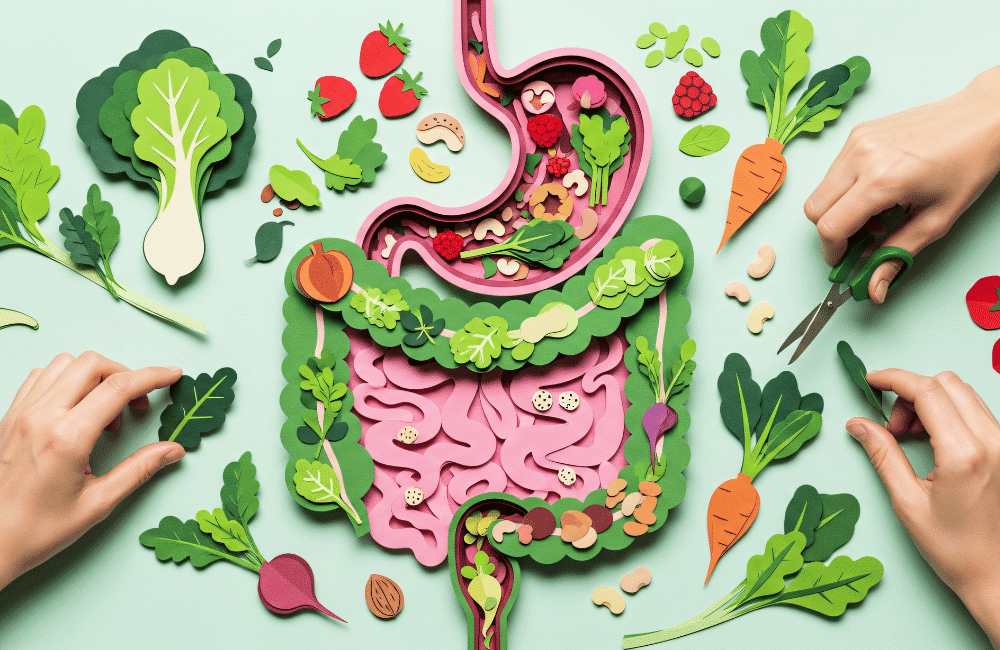
Appetite suppression is not the same thing as nourishment. In fact, reduced appetite increases the risk of under-eating protein, fiber, and key micronutrients.
They do not resolve root causes
They do not address sleep deprivation, chronic stress, gut dysfunction, hormone changes, trauma, or a long history of dieting. They are a tool, not a cure.
“Appetite suppression is not the same thing as nourishment.”

Why These Medications Feel So Powerful
For many people, GLP-1 medications create a level of relief they have never experienced before.
This is especially true for individuals with:
- Genetic predisposition to weight gain
- Insulin resistance or PCOS
- A long history of weight cycling
- Neurobiological sensitivity to food cues
These medications can reduce the physiological drive to eat in a way that lifestyle changes alone often could not.
They also offer benefits beyond weight loss alone. Large trials show improvements in blood pressure, inflammation, lipid profiles, and cardiovascular outcomes, even in people without diabetes.
That is significant. It just does not make them magic.
“For many people, GLP-1 medications don’t create restriction. They create relief.”
Common Side Effects and Why They Happen
The most common side effects are gastrointestinal:
- Nausea
- Early fullness
- Bloating
- Constipation or diarrhea
- Heartburn
These occur primarily due to slowed gastric emptying and altered gut signaling, not because the medication is inherently harmful.
Most side effects:
- Are dose-related
- Improve with time
- Are strongly influenced by how and what someone eats
This is where proper nutrition support makes a real difference.
Are Weight Loss Medications Safe?
The most honest answer is nuanced.
What we know:
- These medications have been studied for years in diabetes care
- Large trials show meaningful cardiometabolic benefit
- Serious adverse events are relatively rare
What we are still learning:
- Long-term use specifically for obesity
- Best strategies for maintenance or discontinuation
- Individual variability in response
They are not appropriate for everyone. Known contraindications include a personal or family history of medullary thyroid carcinoma or multiple endocrine neoplasia syndrome type 2, among others. Thoughtful medical screening matters.
“The real question isn’t ‘Are these medications safe?’ It’s ‘Are they being used thoughtfully and with proper support?”

Nutrition Is Not Optional on GLP-1 Medications
This is the part that gets skipped most often.
Because appetite is suppressed, many people unintentionally under-eat. Research shows increased risk of:
- Inadequate protein intake
- Micronutrient deficiencies, especially vitamin D, B12, iron, calcium, and folate
- Loss of lean muscle mass
Approximately 25 to 40 percent of total weight lost on GLP-1 medications can come from lean mass if nutrition and resistance training are not prioritized.
“Weight loss that costs you muscle is not a win.”
Key nutrition considerations include:
- Protein intake: roughly 1.2 to 1.6 g per kg of ideal body weight, often more than people expect
- Resistance training: essential to preserve muscle
- Micronutrient monitoring: vitamin D, B12, iron, and calcium deserve attention
- Hydration: many people need more fluids than they realize due to reduced intake and GI side effects
Nutrition is not about making the medication “work better.” It is about protecting your body while it works.
“On GLP-1 medications, eating less is easy. Eating enough is the challenge.”
What Happens When You Stop These Medications?
This deserves honesty.
Weight regain after discontinuation is common and predictable, not a personal failure. Studies show many individuals regain a significant portion of lost weight within one year of stopping, sometimes up to two-thirds of the weight lost.
This reinforces what we already know. Obesity is a chronic condition. For some people, long-term medication use may be appropriate. For others, structured nutrition, resistance training, and metabolic support can meaningfully change the trajectory.
There is no single right answer. There is only informed decision-making.
“Weight regain after stopping GLP-1 medications is common, predictable, and not a personal failure.”

The Bottom Line
Weight loss medications are neither the villain nor the savior they are often made out to be.
They are powerful tools that can reduce appetite drive, improve metabolic markers, and support weight loss in people who have struggled for years.
But tools work best when used with skill, context, and support.
If you are considering or already using a weight loss medication, the goal is not to eat as little as possible. The goal is to lose weight while staying nourished, strong, and metabolically supported.
That is where informed care actually makes a difference.
“The goal isn’t to eat as little as possible. The goal is to lose weight while staying nourished, strong, and metabolically supported.”
Up next in this series: Ozempic, Wegovy, and Zepbound. What is the difference, and does it really matter?
Considering a weight loss medication or already taking one?
These medications can be powerful tools, but they work best when nutrition, muscle preservation, and long-term metabolic health are part of the plan.
Our team of integrative dietitians supports clients using GLP-1 medications with individualized nutrition guidance so weight loss does not come at the expense of strength, energy, or health.
Book a free consult call to see if this support is right for you.
MEDICAL DISCLAIMER
The information provided on this blog is for educational and informational purposes only and is not intended as a substitute for medical advice, diagnosis, or treatment. Always consult with a qualified healthcare provider, such as your physician, pediatrician, or a registered dietitian, before making any changes to your or your child’s diet, health routine, or treatment plan.
While we are a medical practice specializing in integrative and functional nutrition, the content shared here reflects general knowledge and holistic guidance, and may not be appropriate for every individual. Reliance on any information provided on this site is solely at your own risk.
REFERENCES
- Moiz A, Filion KB, Tsoukas MA, et al. Mechanisms of GLP-1 receptor agonist–induced weight loss. Am J Med. 2025.
- Wilcox T, De Block C, Schwartzbard AZ, Newman JD. GLP-1 receptor agonists and cardiometabolic effects. J Am Coll Cardiol. 2020.
- van Bloemendaal L, IJzerman RG, Ten Kulve JS, et al. GLP-1 receptor activation and appetite regulation in the brain. Diabetes. 2014.
- Del Prato S, Kahn SE, Pavo I, et al. Tirzepatide versus insulin glargine (SURPASS-4). Lancet. 2021.
- Nauck MA, D’Alessio DA. Tirzepatide as a dual GIP/GLP-1 receptor agonist. Cardiovasc Diabetol. 2022.
- Gilbert O, Gulati M, Gluckman TJ, et al. ACC expert consensus on medical weight management. J Am Coll Cardiol. 2025.
- Yanovski SZ, Yanovski JA. Approach to obesity treatment in primary care. JAMA Intern Med. 2024.
- Gudzune KA, Kushner RF. Medications for obesity. JAMA. 2024.
- Lincoff AM, Brown-Frandsen K, Colhoun HM, et al. Semaglutide and cardiovascular outcomes in obesity. N Engl J Med. 2023.
- Elmaleh-Sachs A, Schwartz JL, Bramante CT, et al. Obesity management in adults. JAMA. 2023.
- Aronne LJ, Horn DB, le Roux CW, et al. Tirzepatide vs semaglutide for obesity. N Engl J Med. 2025.
- Rodriguez PJ, Goodwin Cartwright BM, Gratzl S, et al. Semaglutide vs tirzepatide for weight loss. JAMA Intern Med. 2024.
- Das SR, Everett BM, Birtcher KK, et al. ACC consensus on novel cardiometabolic therapies. J Am Coll Cardiol. 2020.
- Kunutsor SK, Seidu S. Safety and tolerability of GLP-1 receptor agonists. Drugs. 2025.
- Brown E, Heerspink HJL, Cuthbertson DJ, Wilding JPH. SGLT2 inhibitors and GLP-1 receptor agonists. Lancet. 2021.
- Mozaffarian D, Agarwal M, Aggarwal M, et al. Nutritional priorities to support GLP-1 therapy. Am J Clin Nutr. 2025.
- Galli M, Benenati S, Laudani C, et al. Cardiovascular effects of GLP-1 receptor agonists. J Am Coll Cardiol. 2025.
- Holmstrom L, Junttila J, Chugh SS. Obesity and cardiovascular risk mechanisms. J Am Coll Cardiol. 2024.
- American Diabetes Association. Standards of care in diabetes 2025. Diabetes Care. 2025.
- Rebitch CB. Tirzepatide for type 2 diabetes. Am Fam Physician. 2023.
- Coppenrath V, Mazyck B. Tirzepatide (Zepbound) for obesity. Am Fam Physician. 2024.
- Mehrtash F, Dushay J, Manson JE. Integrating diet and physical activity with GLP-1 therapy. JAMA Intern Med. 2025.
- Liu Z, Weeldreyer NR, Angadi SS. Incretin therapies and fat-free mass. J Clin Endocrinol Metab. 2025.
- Karakasis P, Patoulias D, Fragakis N, Mantzoros CS. GLP-1 therapies and body composition. Metabolism. 2025.
- Lu J, Zou S, Liu X, et al. GLP-1 receptor agonists and body composition. Eur J Pharmacol. 2025.
- Sibal R, Balamurugan G, Langley J, et al. Micronutrient monitoring during GLP-1 therapy. Nutrients. 2025.
- Anyiam O, Ardavani A, Rashid RSA, et al. GLP-1 receptor agonists and muscle mass. Obesity Reviews. 2025.
- Bhandarkar A, Bhat S, Kapoor N. Effects of GLP-1 receptor agonists on body composition. Curr Opin Endocrinol Diabetes Obes. 2025.
- Zhou L, Wei A, Pan C, et al. Weight regain after GLP-1 discontinuation. J Gen Intern Med. 2025.
- Berg S, Stickle H, Rose SJ, Nemec EC. Body habitus after stopping GLP-1 therapy. Obesity Reviews. 2025.
- Chen TH, Hu EH, Chen DY, et al. GLP-1 receptor agonists and cardiovascular outcomes by BMI. JAMA Netw Open. 2025.