


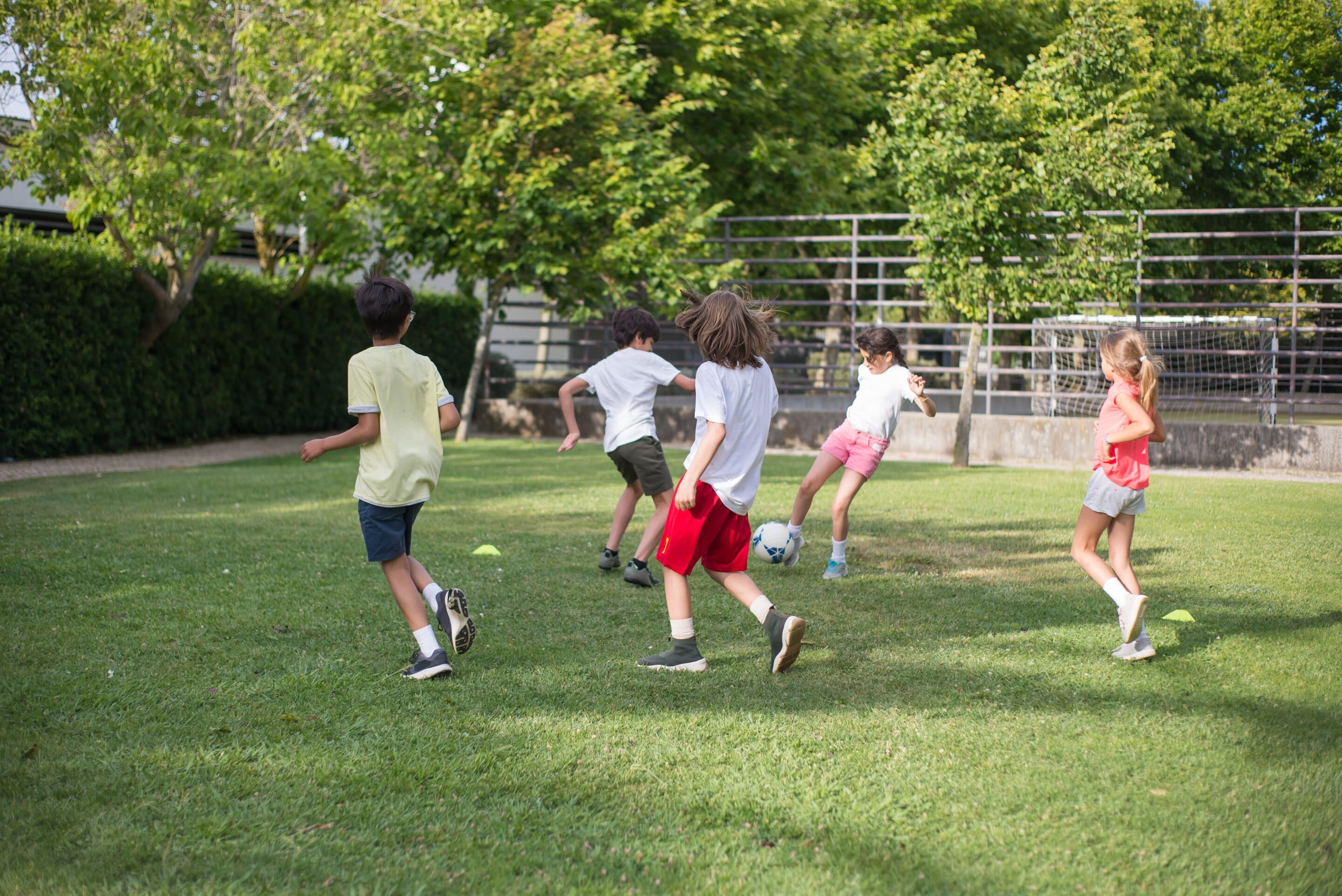
Children playing soccer
Children/Adolescent Athlete Nutrition
It is no secret that most youth over consume empty calorie foods like sugar sweetened beverages and processed foods that are high in trans fat and saturated fat and low in micronutrients. As an athlete, you want to perform your best and balance your energy intake to fuel your training and increase your performance during competition. Nutrition plays a key role in this and is often forgotten! In this article we will review basic healthy eating tips, meal timing, performance plate method for different training days, hydration, specific micronutrients to watch as an athlete and if supplementation is necessary.
Educating Youth on Basic Nutrition:
Carbohydrates
Carbohydrates are the preferred source of energy for our bodies to function. The brain and central nervous systems’ primary fuel comes from carbohydrates. Carbohydrates provide the most ATP (energy) of all the macronutrients and therefore provide the greatest exercise efficiency. It is important to eat enough carbohydrates to keep what’s called glycogen, stored carbohydrates in the bodily tissues reserved for energy use during exercise, full so that you will have energy throughout your training as an athlete. Glycogen stores can be emptied within a single exercise session. Signs of depleted glycogen stores are perceived increased effort in a workout, fatigue early on, decreased ability to concentrate or making cognitive mistakes during a sport.
Carbohydrates are classified into 2 subcategories:
- Simple carbohydrates – easily digested and come from sources such as white bread, candy, and soda.
- Complex carbohydrates – come from starchy foods, which contain more dietary fiber, slowing down digestion and more micronutrients essential for performance and recovery. Sources are beans, whole grains, potatoes, vegetables and some fruits.
An athlete should aim to get 50-65% of calories from carbohydrates.

Assortment of grains and breads
Protein
Protein is needed for every function in our bodies. Relative to sports, it is important for muscle and tissue repair after working out. It also enhances structural changes in tendons and bones. Consistent intake of protein is necessary for energy, performance, and concentration. Protein sources can come from meats, dairy and eggs, or plants, whole grains, legumes, and even fruit and vegetables that have small portions of protein in them. This includes beef, pork, fish, eggs, soy, beans/legumes, tofu, nuts/seeds and dairy products. Protein recommendations depend on the type of sport someone engages in and the duration of timing, but generally ranges from 1.4-2.0 grams per kilogram of body weight. For an athlete engaging in strength and power exercises like weight lifting, protein should ideally be 1.6-2.0 grams per kilogram of body weight, while soccer players, basketball players and mixed martial arts need around 1.4-1.7 grams of protein per kilogram of body weight.

Salmon on a plate
Fats
Fats are important for providing structure to cell membranes, internal organ protection, and preventing excessive heat loss through sweat. They also decrease inflammation that may be caused by exercising stress on the body and increase fat soluble vitamins (vitamin A, D, E, and K) absorption. 20-35% of calories should come from total fat with <10% from saturated fats. Athletes should be advised to not eat less than 20% of calories from fat since it will likely restrict omega three fatty acids and decrease the absorption of fat soluble vitamins like vitamin A, vitamin D, vitamin E and vitamin K.
There are 2 types:
- Saturated fats – found in foods like butter, lard, cheese, red meats, candies, fried foods, processed/packaged foods
- Unsaturated fats – known as plant based fats, which are found in foods like avocado, olive oil, nuts, peanut butter, salmon or fatty fish.
Since we want to limit our saturated fat consumption to less than 10% of calories, we want to consume more unsaturated fats.

Avocado, seeds, and vegetable oil
Overall, it is important to balance your meals and snacks with adequate carbohydrates, protein, and fats for optimal function and increasing energy needed for exercise. Choosing the healthier options a majority of the time will keep you feeling your best through your day and your workouts.
Meal Timing
Food also plays a role in maintaining a healthy body composition, improves immunity, decreases the chance of injury, and improves long term health. Making the right food choices helps us maintain an energy balance. Energy balance is important: matching intake to output of energy. Positive energy intake is seen when someone consumes more than they burn throughout the day and negative energy balance is when someone consumes less calories than they burn throughout the day. It’s important to be in energy balance during youth development to help prevent nutrient deficiencies that might affect growth and maturation. We also want to time the fuel we’re giving our bodies to engage in exercise and recover properly from it. For an athlete, this should look like eating 5-7 times a day, 3 meals and 3-4 snacks, including pre- and post-workout fueling. This style of eating is best at maintaining blood sugar levels throughout the day, optimizing performance, and aiding in recovery. In addition, planning your meals around your activity will also be beneficial to avoid gastrointestinal upset during training and to amplify your energy for your workouts.
Starting with eating breakfast 30-60 minutes after waking is important for proper cognitive performance and increasing academic achievements among youth in school. It also balances blood sugar to start the day off well and aids in healthy weight maintenance for children and adults.
Then, if you’re going to be eating a meal prior to exercise, eat it at least 3-4 hour prior and include carbohydrates like whole grain pasta or whole grain bread, fruit and vegetables, and a complete source of protein that include all essential amino acids, like chicken, fish, eggs, tofu, tempeh, etc. This meal should be low in fat because fat takes longer to digest and could cause uncomfortable symptoms during exercise. Also, avoid sugar sweetened beverages and highly sugared foods here. If you’re going to eat a meal less than three hours prior to exercise, make it a light, easily digestible carbohydrate source like fruit, crackers, and bread, low protein, and low fat to not upset the stomach during exercise.

Person checking watch
Ideally, eating a snack consisting of 40 grams of carbohydrates and 10 grams or less of protein 30 minutes prior to a training session has been seen to boost energy and performance in athletes. Unless exercising more than 2 hours, you will not need to eat or supplement any calories until after the training session. After a workout, try to eat within 30 minutes to help rebuild muscle and restore energy and fluid to the body. This meal should be high in protein (around 20 grams) and high in carbohydrates (around 75 grams). A carbohydrate to protein ratio ideal for a post-workout period is 3:1. This is because high carbohydrate meals help to replenish glycogen stores, and high protein meals help to repair muscles.
Pre workout snacks: (40 grams carbohydrates, 10 grams or less protein):
– ¼ cup roast peanuts, ¼ cup raisins1
– 1 cheese stick, 1 small bag of pretzels, one small apple.
– 8 oz skim milk and a granola bar
– 1.5 oz whole grain crackers, ¼ cup hummus 10 baby carrots
– 1 small apple + RX bar
Post workout snacks: (500 calories, 75 grams carbohydrates, 20 grams protein):
– 2 cups low fat chocolate milk 1 banana1
– 1 cup cooked oatmeal, 1 cup skim milk,1 pear, ¼ cup trail mix
– 2 boiled eggs, 1 toast 1 orange, 1 chewy granola bar, ¾ cup low fat cottage cheese
– 1 whole grain tortilla ¼ cup refried beans, 2 tbsp salsa, 1 banana, 1 string cheese
– 1 whole wheat bagel, 2 t hummus 1 slice cheese, tomato slices, 8 oz skim milk
– 3 ounces salmon, 1 large sweet potato, 1 side of green beans, 1 medium banana
While these are guidelines for snacks and meals to eat, one should never force themself to eat all of it if they get full. Everyone has different caloric needs because calories depend on age, gender, ethnicity, metabolism, exercise exertion, temperature, and body composition. It is difficult to tell someone the exact amount of calories they need to consume. It is better to rely on internal hunger and fullness cues, which may mean eating more or less depending on the person.

Apples, whole wheat bread, and peanut butter
Hydration
Water makes up 50% of body composition and is needed for body temperature regulation, aiding in digestion, and fluid balance maintenance. Before exercising, ensure that you are hydrated by drinking 2-3 cups of water four hours prior to a training session or competition and then 1-2 cups of water two hours prior. It is also important to stay properly hydrated throughout training. You can do this by drinking 14-27 ounces per hour of exercise. Other healthy choices for fluid to drink at meal times that will contribute towards hydration level include skim milk, low fat/fat-free milk, and watered down 100% fruit juice. Avoid sugar sweetened energy drinks, soda, sugary beverages.
Signs of dehydration can include headache, muscle cramps, impaired concentration, and even stroke if left unattended for too long in high temperature or humid conditions. To monitor hydration status, check the color of urine. The lighter the color the more hydrated someone is, while the darker the more dehydrated someone is. You could also monitor thirst sensation, but this isn’t a great indicator as when you feel thirsty your body has already been needing more fluid for a while.

Pouring water into a glass
Electrolytes and Sports Drinks
Sports drinks are only recommended if an athlete will be exercising for more than one hour, even if it’s mostly easy, or if they’re playing in extremely humid, high temperature conditions. They are typically full of extra sugars and therefore should be avoided unless necessary, as stated above. If you’re not wanting to drink sports drinks, there are electrolyte tablets that you can use in plain water to get in the necessary electrolytes: magnesium, potassium, and sodium. Electrolytes control heart beat and muscle contraction, amongst other functions, and these are essential for exercising optimally. It is best to avoid caffeine-based, highly sweetened electrolyte supplements for youth, like Body Armour, Bai Boost, C4 Recovery, Rockstar Recovery, Rein Total Body Fuel, etc. All of these types of drinks can cause gastrointestinal upset, jitters, anxiety, and hyperactivity in children.

Sports drink
Performance Plate Method
Easy Training
Easy training is a light workout or walkthrough practice, no practice or competition scheduled. Follow MyPlate recommendations and emphasize fruit and vegetable consumptions. This looks like half a plate full of fruits and vegetables, raw or cooked. One fourth the plate is of lean protein, and one fourth the plate is from whole grains. Limit fats and condiments and drink water or milk.

Moderate Training
Moderate training is “typical” practice or competition for young athletes. Increase energy consumed, raw fruit and vegetables, cooked vegetables, and vegetable soups. Include moderate amounts of condiments and healthy fats.

Hard Training
Hard training is high intensity training, practice, or competition lasting longer than 90 minutes. This could also be 2-practices a day or all day tournaments. Increase portion size from whole grain and carbohydrate to 50% to aid in recovery and restore glycogen. 25% from protein and 25% from fruits/vegetables. Include moderate amounts of condiments and healthy fats.

Micronutrients of Interest to Athletes
Iron
Iron deficiency can decrease the muscles’ ability to work at full capacity, and one will feel more fatigued than normal and have decreased ability to concentrate. It is important for female athletes to consume enough iron, because they need more of it during menstruation, periods of rapid growth (adolescents), or when in an intense period of training. Iron is also lost when athletes heavily sweat through the skin, urine, and the gastrointestinal tract. Individuals at higher risk for iron deficiency are endurance runners like track or cross country, and vegetarian athletes because the bioavailability of nonheme iron is lower than animal protein iron sources. A doctor will be able to test iron levels to determine if the athlete is iron deficient. A registered dietitian can work with you to regain optimal iron status. Foods to eat that are high in iron are beef, organ meats, poultry, tuna, legumes, whole grains, fortified breakfast cereal, nuts, seeds, leafy green vegetables and dark chocolate.

Iron-containing meal (chicken) with asparagus and tomato
Vitamin D
Vitamin D is a hormone the body can synthesize from sunlight on the skin. It also regulates calcium and phosphorus absorption and metabolism, which is responsible for maintaining bone health, especially in growing years. Adequate stores of vitamin D aid in injury prevention, improved neuromuscular function, increased type II muscle fiber size, reduced inflammation, decreased risk of stress fracture, and acute respiratory illness.Your doctor can evaluate your vitamin D status, and a registered dietitian can work with you to implement a plan if a vitamin D deficiency is found.

Sunlight
Calcium
Calcium is needed for proper bone growth and development, nerve conduction, blood clotting, and repair of bone tissue. Low calcium intake is correlated with stress fractures, low energy availability, and menstrual dysfunction in females. Sources of calcium are in dairy products that come from goats, cows, and sheep, fortified non-dairy milks and yogurts, calcium-fortified orange juices, dark leafy vegetables, and canned sockeye salmon.

Glass of milk
Antioxidants
Antioxidants protect cells from damage against free radicals. Athletes are increasing their oxygen demands repeatedly when training and thus, increasing oxidative stress on cells. Athletes have more conditioned antioxidant systems. It is recommended to get plenty of antioxidants through natural foods rather than supplementation, which has been seen to have adverse effects on athletic performance. Antioxidants are naturally found in a variety of fruits and vegetables, as well as meats and tea. Some good sources come from leeks, onions, eggplant, grapes, berries, like raspberries and blueberries, pumpkin, mangoes, and Green tea.

Bowl of blueberries and strawberries
There are a lot of components that go into consideration of child/adolescent athlete nutrition. The biggest take away is making sure to balance meals according to the food pyramid, whole grains, fruits, vegetables, lean proteins, nuts, seeds, and dairy products. Meeting needs through three meals and three to four snacks a day, including a pre-workout snack of 10 grams of protein and 40 grams of carbohydrates, and a post-workout snack that includes 75 grams of carbohydrates and 20 grams of protein. Drinking adequate amounts of water throughout the day is important for the athlete, but limiting the amount of sugar consumed through beverages and food is equally important. Water should be the main source of fluid consumed throughout the day. Vitamins of important concern are iron, calcium, vitamin D, and antioxidants for the child/adolescent athlete to stay strong and healthy.
Working with a registered dietitian can help you work to meet optimal levels of the vitamins and improve performance.
Speak with your child’s doctor if you feel your child is deficient in any of these macro- or micronutrients.
Medical Disclaimer:
The information provided on this blog is for educational and informational purposes only and is not intended as a substitute for medical advice, diagnosis, or treatment. Always consult with a qualified healthcare provider, such as your physician, pediatrician, or a registered dietitian, before making any changes to your or your child’s diet, health routine, or treatment plan.
While we are a medical practice specializing in integrative and functional nutrition, the content shared here reflects general knowledge and holistic guidance, and may not be appropriate for every individual. Reliance on any information provided on this site is solely at your own risk.
Resources
1. Academy USS. An evidence-based sports nutrition curriculum for youth. The Sport Journal. Published February 5, 2021. https://thesportjournal.org/article/an-evidence-based-sports-nutrition-curriculum-for-youth/
2. Thomas, D. T., & Erdman, K. (2016). Position of the Academy of Nutrition and Dietetics, Dietitians of Canada, and the American College of Sports Medicine: Nutrition and Athletic Performance. Journal of the Academy of Nutrition and Dietetics.
3. 6 Things to Know About Electrolytes for Youth Athletes. USA Cycling. https://usacycling.org/article/6-things-to-know-about-electrolytes-for-youth-athletes
4. Athlete’s Plate: Easy Training Day – Gatorade Performance Partner. performancepartner.gatorade.com. Accessed August 15, 2023. https://performancepartner.gatorade.com/resources/resource/athletes-plate-easy-training-day
5. Athlete’s Plate: Moderate Training Day – Gatorade Performance Partner. performancepartner.gatorade.com. https://performancepartner.gatorade.com/resources/resource/athletes-plate-moderate-training-day
6. Athlete’s Plate: Hard Training Day – Gatorade Performance Partner. performancepartner.gatorade.com. Accessed August 15, 2023. https://performancepartner.gatorade.com/resources/resource/athletes-plate-hard-training-day
7. Campbell B, Kreider RB, Ziegenfuss T, et al. International Society of Sports Nutrition position stand: protein and exercise. Journal of the International Society of Sports Nutrition. 2007;4(1):8. DOI: https://doi.org/10.1186/1550-2783-4-8