


The Link Between ADHD and Picky Eating: Why Mealtimes Feel Hard (and What Helps)
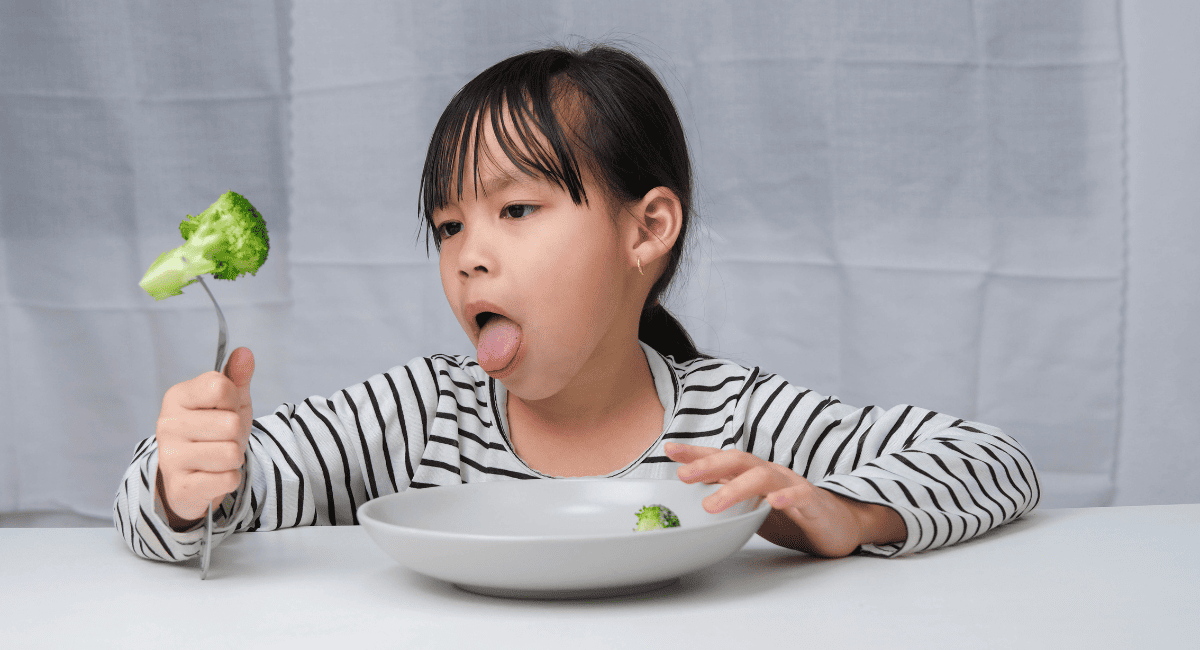
If you’ve ever felt like every meal is a battle – negotiating one more bite, re-making chicken nuggets for the third night in a row, or worrying your child “just won’t eat”- you are absolutely not alone. We get concerned parents seeking us out and doctor referrals for picky eating all the time.
Picky eating is common in childhood, but when ADHD enters the mix, it often feels magnified. Many children with Attention-Deficit/Hyperactivity Disorder (ADHD) experience selective eating, food texture aversions, or fluctuating appetite. Combine that with distractibility, impulsivity, and sensory sensitivities, and mealtime can quickly become overwhelming, for kids and parents.
Understanding why this happens helps us create calm, consistent routines that support both focus and nourishment. Read on to educate yourself on how to help your kids and maintain your sanity.
Why ADHD and Picky Eating Often Go Hand in Hand
ADHD is a neurodevelopmental condition affecting roughly 7% of children and teens. It influences attention, impulse control, and regulation of brain chemicals like dopamine, the “feel-good” neurotransmitter that helps us stay motivated and experience pleasure.
Because ADHD impacts both the brain and the sensory system, kids may be:
- Less aware of hunger or fullness cues
- Easily overstimulated by food smells, textures, or colors
- Distracted or restless during meals
- Drawn toward “feel-good” foods (often sugary or crunchy) for a dopamine boost
All of this makes eating more complex than simply offering healthy foods and expecting compliance.
Sensory Processing and Mealtime Overload
Eating is a full-body sensory experience. We actually use eight senses – not just taste, smell, and sight, but also touch, temperature, balance, and interoception (our ability to sense hunger, fullness, and body signals).
Children with ADHD often have overlapping sensory sensitivities similar to those seen in autism spectrum disorder. A smell, texture, or temperature that feels neutral to one child can feel unbearable to another. Imagine:
- The cafeteria noise that feels painfully loud.
- The “mushy” texture of cooked veggies that triggers a gag reflex.
- The sight of mixed foods on one plate that feels chaotic or overwhelming.
To a child with sensory defensiveness, these reactions are real discomforts, not stubbornness. Understanding that difference reframes mealtime struggles with compassion.
Hunger and Fullness Cues
Some children with ADHD struggle to recognize internal body cues. They may forget to eat until they are starving (leading to overeating) or eat very little because they don’t notice hunger. Helping kids connect to these cues – through routine, gentle reminders, and structured meal times – can gradually improve awareness. Dietitians are your go-to experts on mindful eating and listening to your body.

Hyperactive vs. Inattentive: Different Challenges, Same Goal
Every child with ADHD is unique, but their presentation can affect how they eat:
- Hyperactive/impulsive type: Always on the move, burns more energy, may resist sitting at the table or finish meals in two minutes flat.
- Inattentive type: Easily distracted, may lose focus mid-meal, forget to eat, or wander away before finishing.
Both benefit from predictable, low-distraction meals: devices off, same seat at the table, visual timers, and calm conversation.
Small, structured meals – rather than long, unstructured ones – often work best.
Mood, Impulsivity, and Food Choices
Because dopamine levels run lower in ADHD, many kids naturally reach for foods that give a quick “hit” of pleasure; often sugar-heavy, processed, or crunchy snacks.
This doesn’t mean they’re undisciplined; it’s their brain trying to self-regulate. But those quick hits are short-lived and can lead to energy crashes, irritability, and worsened focus.
Other factors add to the mix:
- Emotional eating: Using food to soothe big feelings or stress.
- Sleep issues: Poor sleep disrupts hormones like ghrelin and leptin, increasing cravings.
- Impulsivity: Acting on cravings before thinking (“I just grabbed it”).
Our goal isn’t to remove joy from food; it’s to build awareness and structure so the body feels satisfied, not spiked and crashed.

Medication and Appetite: Finding Balance
Stimulant medications are often a helpful part of ADHD treatment, but they can blunt appetite, especially during the day.
Before starting medication, it’s important to discuss growth and nutrition with your child’s healthcare team. If your child is already on stimulants and eating less, try these strategies:
- Prioritize breakfast before the morning dose. Protein-rich foods like eggs, smoothies, or Greek yogurt provide key nutrients before appetite drops.
- Pack portable options (trail mix, cheese sticks, nut butter pouches) for when hunger returns later in the day.
- Offer a balanced evening meal once appetite rebounds, focusing on nutrient-dense choices over volume.
- Track growth with your pediatrician or dietitian; early adjustments make a big difference.
Medication can be transformative, but nutrition helps keep the rest of the puzzle steady.

Key Nutrients to Support Kids with ADHD
Kids who are selective eaters may miss important nutrients that support attention, mood, and growth. Here are a few worth prioritizing:
Magnesium
Magnesium helps calm the nervous system and regulate mood. Deficiency may contribute to irritability or anxiety.
Foods rich in magnesium: pumpkin seeds, almonds, cashews, beans, whole-grain bread, oatmeal, yogurt, bananas, and avocados.
Zinc
Zinc supports neurotransmitter function and may reduce hyperactivity and impulsivity.
Good sources: red meat, poultry, eggs, dairy, seafood (like salmon or crab), lentils, and chickpeas.
Omega-3 Fats
Essential for brain development and function; studies show they can improve attention and mood in some children.
Sources: salmon, trout, sardines, chia seeds, flaxseed, walnuts, and tofu. For picky eaters who avoid fish, consider an omega-3 supplement approved by your pediatrician.
Iron
Low iron can reduce dopamine production, worsening ADHD symptoms.
Animal sources: red meat, poultry, fish.
Plant sources: beans, lentils, tofu, and leafy greens. Pair with vitamin C foods (orange slices, strawberries) to boost absorption.
Vitamin D
Linked to brain and immune health. Many kids, especially in northern climates, run low, particularly in winter.
Sources: fortified milk (dairy or plant-based), eggs, mushrooms, trout, salmon. Supplementation can help if intake or sun exposure is limited.
Always discuss supplements with a qualified healthcare provider before starting. A dietitian can help determine what supplements are needed based on diet, and recommend labs if necessary.
Protein
Protein helps stabilize blood sugar, sustain focus, and naturally increase dopamine.
Try including a protein food at every meal, especially breakfast.
Kid-friendly ideas:
- Scrambled eggs with fruit or whole-grain toast
- Smoothies with nut butter, milk, and frozen fruit
- Oatmeal with Greek yogurt and berries
- Peanut-butter-banana toast
- Mini turkey-cheese roll-ups or edamame for snacks
Practical Mealtime Tips for Parents
Picky eating can feel discouraging, but small, steady changes work better than battles.
Create a calm environment:
- Sit together when possible; keep screens off.
- Keep mealtimes short (15–20 minutes) and structured.
- Offer new foods alongside familiar favorites: no pressure, just exposure.
Use the “one bite, no fight” rule:
Encourage curiosity without forcing. Kids may need 10–15 exposures before accepting a food.
Support sensory comfort:
- Let kids explore food textures with their hands first.
- Offer dips and sauces to bridge flavors.
- Use divided plates if mixed foods feel overwhelming.
Keep a consistent rhythm:
Serve meals and snacks at predictable times so hunger cues have a chance to develop.

Quick Wins for Parents
If mealtime feels exhausting, start small. This week, try to:
- Add one new food exposure (even if it’s just touching or smelling).
- Front-load breakfast with protein before medication.
- Pack a “comeback snack” for after school when appetite returns.
- Model calm eating: kids mirror your tone more than your menu.
- Celebrate any win: even a lick or a bite counts toward progress.
Consistency beats perfection every time.
FAQ: ADHD, Picky Eating, and Nutrition
Is picky eating part of ADHD?
It can be! Sensory sensitivities, distraction, and impulsivity all play a role. Not every child with ADHD is picky, but it’s common enough that we plan around it.
Can nutrition help ADHD symptoms?
Nutrition can’t replace medical treatment, but balanced meals, key nutrients, and stable blood sugar make a real difference in focus and mood.
Do specific foods or dietary patterns worsen or improve ADHD symptoms?
Evidence suggests that a “Western-style” diet high in refined sugars and saturated fats may be associated with increased ADHD risk, while a healthy diet rich in fruits, vegetables, and whole grains may be protective.Questions about elimination diets (removing artificial colors, additives, or allergenic foods) and supplementation (omega-3 fatty acids, iron, zinc) are frequent, but current evidence for these interventions is modest and inconsistent.
What if my child refuses vegetables or proteins?
That’s where creativity helps….smoothies, dips, muffins, and soups all “hide” nutrients beautifully. We can personalize strategies to your child’s preferences.
Do supplements help?
Sometimes. Omega-3s, iron, and vitamin D have the most research support, but testing and professional guidance are key.
Should I be worried about growth if my child is on stimulant medications?
Stimulants can cause mild reductions in appetite and, in some cases, slow growth velocity, so regular monitoring of height and weight is recommended.A dietitian can provide guidance on how to support healthy growth through balanced nutrition.
Moving Forward
Feeding a child with ADHD can feel like a puzzle, but every small step toward variety and consistency matters. Understanding sensory differences, meal timing, and nutrient gaps transforms mealtime from stressful to supportive.
If your child struggles with focus, energy, or extreme food preferences, we can help create a realistic plan, without power struggles or guilt.
Book a Pediatric Nutrition Consult today to get individualized guidance and compassionate support from our team. Together, we’ll help your child thrive—body, brain, and heart.
Medical Disclaimer:
The information provided on this blog is for educational and informational purposes only and is not intended as a substitute for medical advice, diagnosis, or treatment. Always consult with a qualified healthcare provider, such as your physician, pediatrician, or a registered dietitian, before making any changes to your or your child’s diet, health routine, or treatment plan.
While we are a medical practice specializing in integrative and functional nutrition, the content shared here reflects general knowledge and holistic guidance, and may not be appropriate for every individual. Reliance on any information provided on this site is solely at your own risk.
References/Further Reading
- Pinto S, Correia-de-Sá T, Sampaio-Maia B, et al. Eating Patterns and Dietary Interventions in ADHD: A Narrative Review. Nutrients. 2022;14(20):4332.
- The ADHD Centre. Link between ADHD and picky eating. January 6, 2023.
- Bushell SA. How to help your ADHD picky eating child accept more foods. The Children’s Nutritionist. September 4, 2023.
- Harris HA, Bowling A, Santos S, et al. Child ADHD and autistic traits, eating behaviours and weight: A population-based study. Pediatr Obes. 2022;17(11):e12951.
- Kopecková M, Paclt I, Goetz P. Polymorphisms and low plasma activity of dopamine-beta-hydroxylase in ADHD children. Neuro Endocrinol Lett. 2006;27(6):748–754.
- Strickland K. Is there a link between ADHD and eating disorders? Walden Eating Disorders. March 14, 2022.
- Robbins O. 8 nutrients and 16 foods to boost your mood. Food Revolution Network. December 7, 2018.
- Chang JP, Su KP, Mondelli V, et al. Omega-3 Polyunsaturated Fatty Acids in Youths with ADHD: A Systematic Review and Meta-Analysis. Neuropsychopharmacology. 2018;43(3):534–545.
- National Institutes of Health (NIH). Dietary Supplement Fact Sheet: Zinc. 2022.
- National Institutes of Health (NIH). Dietary Supplement Fact Sheet: Omega-3 Fatty Acids. 2023.
- Centers for Disease Control and Prevention (CDC). Nutrition: Iron. November 2021.
- Sharif MR, Madani M, Tabatabaei F, Tabatabaee Z. The Relationship between Serum Vitamin D Level and ADHD. Iran J Child Neurol. 2015;9(4):48–53.
- National Institutes of Health (NIH). Dietary Supplement Fact Sheet: Vitamin D. 2023.
Leventakou V, Micali N, Georgiou V, et al. Is there an association between eating behaviour and ADHD symptoms in preschool children? J Child Psychol Psychiatry. 2016;57(6):676–684.