


Pregnant woman holding belly
Prenatal Nutrition: A Clear, Science-Driven Guide for the Real World
Whether you’re planning for pregnancy or staring at a positive test wondering what comes next, you’re in the right place. What you eat before and during pregnancy genuinely shapes metabolism, brain development, immune function, and the overall health trajectory of both you and your baby.
But let’s be honest: searching online for prenatal nutrition advice is…a lot. One minute you’re told to “eat clean,” the next you’re warned about everything. So instead of vague “eat healthy” messaging, let’s talk about what actually matters ~ and why.
At Whole Lifecycle Nutrition, we combine evidence, physiology, and practical strategies so you can make confident decisions during a season that already asks a lot of your body and your brain.
Woman holding pregnancy test
Before Pregnancy: Setting the Foundation
A healthy pregnancy truly starts before conception. Your nutrient stores, metabolic health, stress patterns, and overall nutrition status influence everything from fertility to fetal development.
Two essentials before pregnancy:
1. A nutrient-dense eating pattern
Think: whole foods, balanced meals, protein at every eating window, colorful plants, and stable energy patterns. You’re essentially stocking the shelves for the work ahead.
2. A quality prenatal vitamin
The American College of Obstetricians and Gynecologists (ACOG) recommends 400 mcg of folic acid at least one month before pregnancy, along with iron and other key nutrients. Even with a strong diet, supplementation helps fill predictable gaps.
If you’re unsure which prenatal is right for you or you’ve had nutrient deficiencies in the past, ask your clinician….or partner with us for individualized guidance.
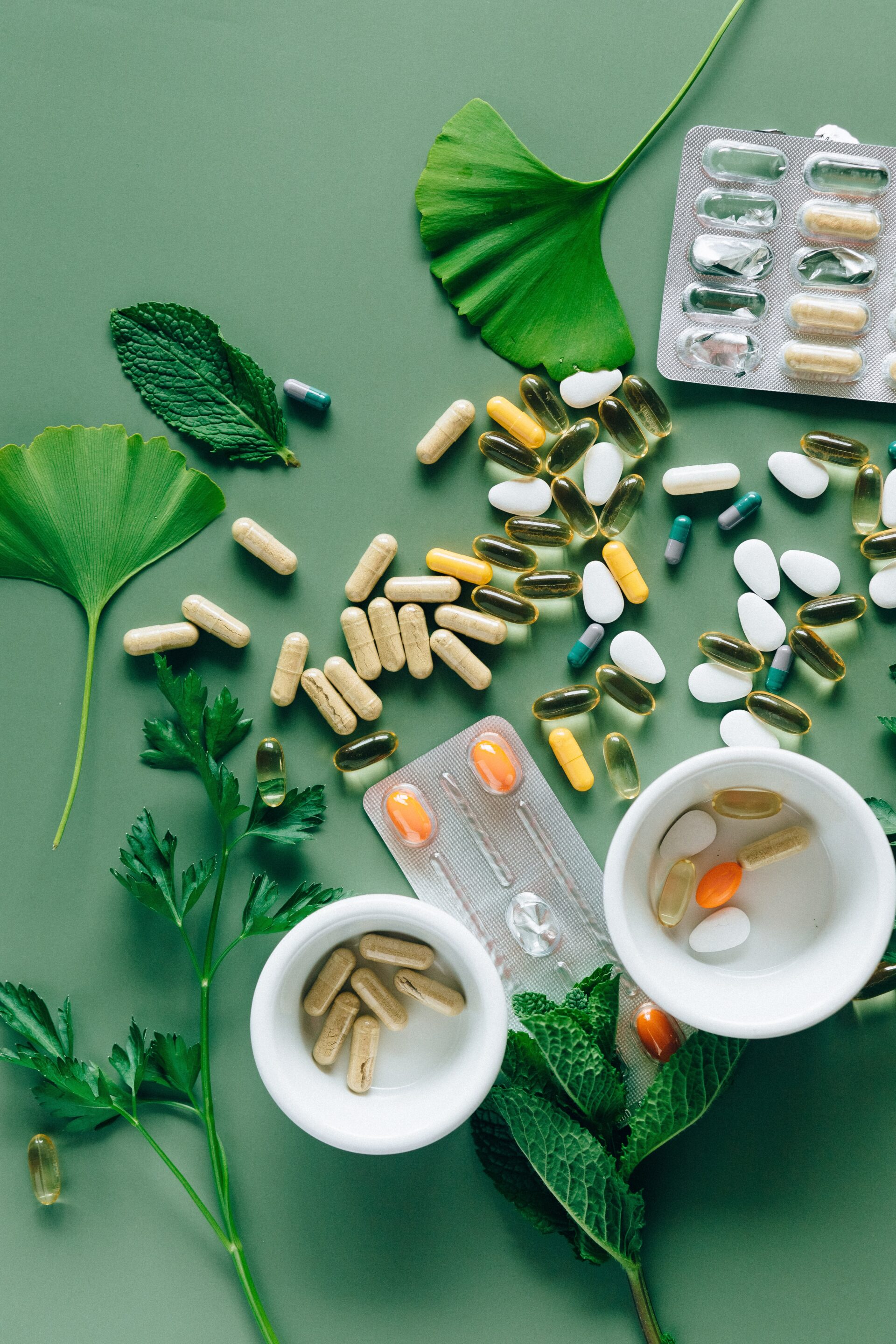
Assortment of supplements
Key Prenatal Nutrients: What Matters and Why
A full nutrient panel matters, but a few categories carry outsized influence during pregnancy.
Protein: The Building Material
As your baby grows, protein needs rise to support muscle, skin, blood volume, and organ development. Aim for varied sources:
-
Fish, poultry, eggs, dairy
-
Beans, lentils, tofu, edamame
-
Nuts and seeds
Vegetarian or vegan? It’s absolutely possible to meet needs, but it takes more intentional planning because plant proteins don’t always provide the full amino acid profile. Amino acids are the building blocks of protein in our body. Essential amino acids are those that the body cannot synthesize on its own. It is possible to meet your and baby’s overall nutrition and protein needs before and during pregnancy while following a vegan diet. That’s where strategic pairing – and support from a dietitian – makes a meaningful difference.

Protein-rich meal with pork and vegetables
Omega-3 Fatty Acids: Especially DHA + EPA
These fats are essential for early brain development, vision, cell structure, and inflammatory balance. DHA and EPA , found mostly in fatty fish, are the stars here.
Why they matter:
Adequate omega-3 intake is linked to lower rates of preterm birth, healthier cognitive development, and even reduced maternal depression. Global mapping indicates low levels of omega-3s in the bloodstream of adults in the North American population.
Best food sources: salmon, sardines, herring, tuna (light), anchovies.
If you don’t eat fish, discuss an algae-based DHA/EPA supplement with your practitioner. ALA from nuts and seeds is helpful, but the body converts it very inefficiently.

Woman cutting salmon
Folate: Critical in the First Weeks
Folate supports rapid cell division and early neural tube development. Because the neural tube forms before many women know they’re pregnant, having strong folate status beforehand is essential.
-
RDA pre-pregnancy: 400 mcg
-
RDA during pregnancy: 600 mcg
Foods that pull their weight here: leafy greens, lentils, peas, beans, and fortified grains. Supplements typically use folic acid because it’s more bioavailable.

Cereal fortified with folate
Iron: Supporting Oxygen + Energy
Iron deficiency is extremely common in pregnancy, and low stores increase risk for preterm birth, low birthweight, and reduced immune function for both mom and baby.
RDA jumps from 18 mg → 27 mg during pregnancy.
Sources you can rely on:
-
Red meat, poultry, fish (high absorption)
-
Beans, lentils, leafy greens, fortified grains (pair with vitamin C to boost absorption)
If fatigue feels disproportionate or you’ve struggled with low iron in the past, lab testing before or early in pregnancy is smart and proactive.
Calcium + Vitamin D: Bone + Nervous System Support
Calcium contributes to fetal bone and teeth formation, heart rhythm, and neuromuscular function. Vitamin D helps your body absorb it efficiently. It is important for your mood and your immune system, too.
-
Calcium RDA: 1,000–1,300 mg
-
Vitamin D RDA: 600 IU
Dairy is the most concentrated calcium source in the U.S., but plant-based milks, tofu, canned fish with bones, nuts, seeds, beans, and greens also contribute. Getting enough calcium is especially important during the third trimester when bone mineralization occurs at the most rapid pace. Vitamin D is trickier. Food sources are limited and sun exposure isn’t reliable for most people. Many pregnant women benefit from supplementation after testing.

Young girl with a glass of milk and leafy green vegetables
Foods to Limit or Avoid ~ Without Fear Messaging
Pregnancy already comes with enough rules. Here’s the simple, physiology-based version:
High-mercury fish
Avoid large predatory fish like swordfish, king mackerel, tilefish, and bigeye tuna. Choose lower-mercury fish (salmon, sardines, shrimp, cod) 2–3 times per week for safe omega-3 intake.
Foods associated with listeria or foodborne illness
Skip unpasteurized cheeses and milks, refrigerated pâtés, and unheated deli meats. Heat them until steaming to reduce risk. Wash produce well.
Undercooked meats or eggs
Mostly common sense: cook foods thoroughly to reduce bacterial risk.
Ultra-processed foods
Not “bad,” but not very nutrient-dense. Rely on them less often so your meals actually deliver what pregnancy requires.
Caffeine
Keep intake under 200 mg/day. If you’re a heavy coffee drinker, reducing gradually before pregnancy supports both fertility and an easier transition.
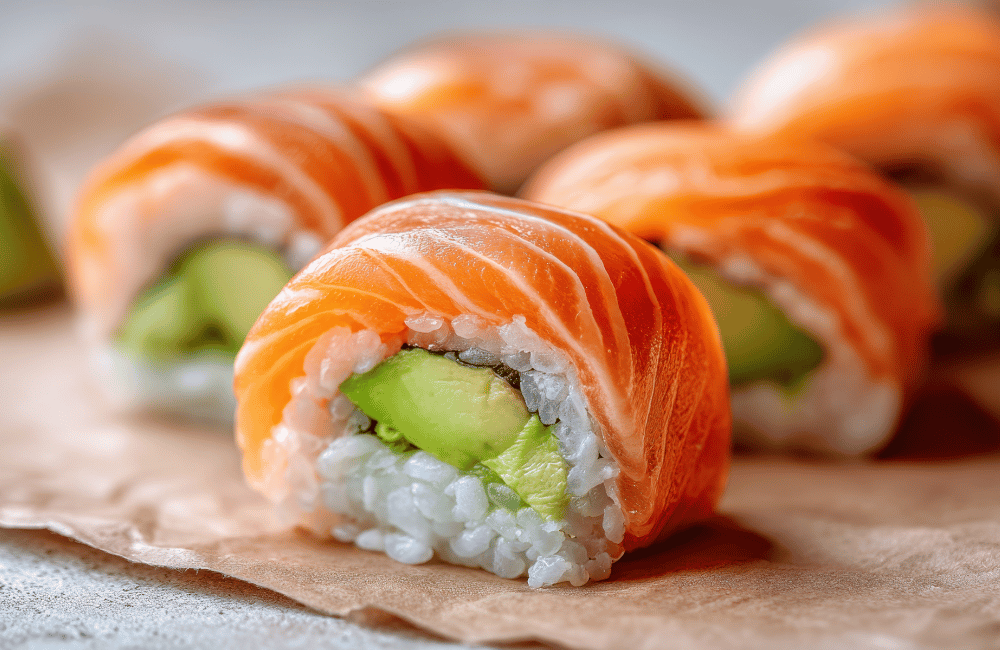
Prenatal Weight + Energy Needs
Despite the old “eating for two” narrative, energy needs don’t increase much until the second trimester. Most people only need an extra 300–350 calories. Basically, a nutrient-dense snack or two.
Examples that work well:
-
Apple + almonds
-
Hummus + veggies
-
Cottage cheese + whole grain crackers
-
Toast with nut butter
This isn’t about perfection. It’s about giving your body steady, supportive nutrition so it can do its job effectively.

Putting It All Together
Nutrition is one of the few variables in pregnancy that you actually can influence, but it doesn’t need to feel like another full-time job. Focus on consistency, choose nutrient-dense foods most of the time, and use supplements strategically.
And when the nausea hits or the fatigue takes over? That’s physiology, not failure. Regulation and nourishment look different in every trimester.
If you want a personalized plan built around your symptoms, preferences, labs, and lifestyle, we can help you create a strategy that feels doable….not overwhelming.
Book your complimentary wellness call today to create a plan that supports you and your baby through every stage of pregnancy.
Medical Disclaimer:
The information provided on this blog is for educational and informational purposes only and is not intended as a substitute for medical advice, diagnosis, or treatment. Always consult with a qualified healthcare provider, such as your physician, pediatrician, or a registered dietitian, before making any changes to your or your child’s diet, health routine, or treatment plan.
While we are a medical practice specializing in integrative and functional nutrition, the content shared here reflects general knowledge and holistic guidance, and may not be appropriate for every individual. Reliance on any information provided on this site is solely at your own risk.
References:
- Alwan NA and Hamamy H. Maternal Iron Status in Pregnancy and Long-Term Health Outcomes in the Offspring. J Pediatr Genet 2015;4:111-123.
-
Weight Gain During Pregnancy – ACOG. www.acog.org. https://www.acog.org/Clinical-Guidance-and-Publications/Committee-Opinions/Committee-on-Obstetric-Practice/Weight-Gain-During-Pregnancy?IsMobileSet=false
-
Listeria and Pregnancy. www.acog.org. Published June 2018. https://www.acog.org/womens-health/faqs/listeria-and-pregnancy
-
How much coffee can I drink while I’m pregnant? www.acog.org. https://www.acog.org/womens-health/experts-and-stories/ask-acog/how-much-coffee-can-i-drink-while-pregnant
- Cetin I et al. Impact of Micronutrient Status during Pregnancy on Early Nutrition Programming. Annals of Nutrition & Metabolism 2019;74:269-278.
- Craemer KA et al. Nutrition and Exercise Strategies to Prevent Excessive Pregnancy Weight Gain: A Meta-analysis. Am J Perinatol Rep 2019;9:e92-e120.
- Danielewicz H et al. Diet in pregnancy – more than food. Eur J Pediatr 2017;176:1573-1579.
-
Nutrition C for FS and A. Advice about Eating Fish. FDA. Published online February 6, 2023. Accessed August 25, 2023. https://www.fda.gov/Food/ResourcesForYou/Consumers/ucm393070.htm
- Gammone MA et al. Omega-3 Polyunsaturated Fatty Acids: Benefits and Endpoints in Sport. Nutrients 2019;11(1):46.
-
Eating Right During Pregnancy. Eatright.org. Published 2019. https://www.eatright.org/health/pregnancy/what-to-eat-when-expecting/eating-right-during-pregnancy
- Mousa A, Naqash A and Lim S. Macronutrient and Micronutrient Intake during Pregnancy: An Overview of Recent Evidence. Nutrients 2019;11:443.
- Nordgren T et al. Omega-3 Fatty Acid Intake of Pregnant Women and Women of Childbearing Age in the United States: Potential for Deficiency? Nutrients 2017;9(3):197.
- Tahir M et al. Higher Maternal Diet Quality during Pregnancy and Lactation is Associated with Lower Infant Weight-For-Length, Body Fat Percent, and Fat Mass in Early Postnatal Life. Nutrients 2019;11:632.
-
USDA Food Composition Databases. Usda.gov. Published 2019. https://ndb.nal.usda.gov/ndb/
-
Agostoni C, Nobile M, Ciappolino V, et al. The Role of Omega-3 Fatty Acids in Developmental Psychopathology: A Systematic Review on Early Psychosis, Autism, and ADHD. International Journal of Molecular Sciences. 2017;18(12). DOI: https://doi.org/10.3390/ijms18122608
-
Cholewski M, Tomczykowa M, Tomczyk M. A Comprehensive Review of Chemistry, Sources and Bioavailability of Omega-3 Fatty Acids. Nutrients. 2018;10(11):1662. DOI: https://doi.org/10.3390/nu10111662