

Walk into almost any supplement aisle—or spend seven unsupervised minutes on social media—and you will find products promising to balance your hormones, detox estrogen, flatten your stomach, restore your sleep, improve your mood, and make you feel exactly like you did at 27.
Convenient. Also suspicious.
Perimenopause can bring hot flashes, sleep disruption, changing cycles, headaches, breast tenderness, brain fog, mood changes, joint discomfort, digestive changes, and shifts in bone and muscle health. Wanting relief is completely reasonable. Unfortunately, supplement marketing often moves much faster than supplement research.
Some supplements may have a defined and useful role. Others have mixed evidence, are better supported for a different condition, or change a laboratory marker without proving that they improve symptoms or health outcomes. “Natural” does not mean universally safe, and “affects estrogen metabolism” does not automatically mean “good for every woman with hormones.”
The most useful question is not, “What supplements should every woman take during perimenopause?”
It is: “What specific problem are we trying to solve, and is this supplement a safe, evidence-supported way to address it?”
Quick answer: No supplement stack is universally recommended for perimenopause. Evidence for most herbs and over-the-counter products marketed for hot flashes is limited or inconsistent. Some nutrients and supplements—including calcium, vitamin D, creatine, fiber, and magnesium—may still be useful for specific goals such as correcting a deficiency, supporting bone or muscle, improving bowel function, or addressing another documented need. A supplement should have a defined job, an appropriate dose, a plan for monitoring, and a reason to continue.
Why this is different from choosing a PMS supplement
PMS symptoms occur in relation to the menstrual cycle, typically during the luteal phase after ovulation. Some supplements—including vitex—have considerably more research for PMS than for perimenopause.
Perimenopause is different.
Ovulation becomes less predictable. Cycles may become shorter, longer, heavier, lighter, or occasionally absent. Estrogen and progesterone fluctuate, and the symptoms being blamed on “hormones” may also involve sleep apnea, iron deficiency, thyroid dysfunction, migraine, medication effects, depression, anxiety, ADHD, inadequate nourishment, or another medical condition.
The long-term health priorities also expand. We are no longer thinking only about cyclical symptoms. We may be considering:
- hot flashes and night sweats
- sleep and mood
- bone loss
- changing muscle mass and strength
- cardiometabolic health
- vaginal and urinary symptoms
- migraine patterns
- digestive health
- medication and cancer-treatment interactions
That is why a supplement that made sense for predictable premenstrual breast tenderness at 32 may not be the obvious answer for irregular bleeding, night sweats, and fatigue at 47.
Start with the symptom—not the supplement
Before buying anything, define the job.
| Question | Why it matters |
|---|---|
| What specific symptom or health goal are we addressing? | “Hormone balance” is not a measurable treatment target. |
| What else could be causing it? | Fatigue, headaches, heavy bleeding, poor sleep, and mood changes can have nonhormonal causes. |
| What does the evidence actually measure? | Changing a lab marker is not the same as improving symptoms or reducing disease risk. |
| Is food sufficient? | A supplement may be unnecessary when the nutrient or compound can be obtained safely through food. |
| Who should use caution? | Pregnancy, cancer history, liver or kidney disease, surgery, and medications can change the risk. |
| How will we know whether it helped? | Choose a symptom, lab value, time frame, or other outcome to monitor. |
| When will we stop? | Supplements should not remain on autopilot forever because someone once put them in a virtual shopping cart. |
A supplement should have a defined job. If we cannot explain what it is supposed to do or how we will measure success, we probably do not have a treatment plan. We have an expensive habit.
A quick evidence overview
The evidence rating depends on the goal. Calcium may be appropriate for filling a dietary gap, for example, but it is not a treatment for hot flashes.
| Supplement or food | Common reason people use it | Evidence calibration |
|---|---|---|
| Vitex or chasteberry | Irregular cycles, breast tenderness, mood changes | Better supported for PMS than perimenopause; perimenopause evidence is limited |
| DIM | “Estrogen detox” or “estrogen dominance” | Can alter estrogen metabolites; clinical benefit for perimenopause symptoms is unproven |
| Evening primrose oil | Hot flashes or breast tenderness | Not supported for hot flashes; breast-pain evidence is mixed |
| Soy foods | Protein, cardiometabolic health, possible hot-flash support | Nutritious food; symptom benefit is small or inconsistent |
| Soy isoflavone supplements | Hot flashes | Mixed evidence; not equivalent to eating soy foods |
| Black cohosh | Hot flashes and night sweats | Conflicting product-specific evidence; not currently recommended for VMS by The Menopause Society |
| Siberian rhubarb extract | Broad menopause symptoms | Some promising proprietary-product data, but evidence is limited and has important study limitations |
| Magnesium | Low intake, constipation, migraine, sleep | Useful for defined indications; not an established menopause treatment |
| Omega-3 fatty acids | Cardiovascular health, mood, inflammation | Useful in selected contexts; inconsistent evidence for hot flashes |
| Calcium and vitamin D | Bone and nutrient adequacy | Important nutrients; supplements depend on intake, labs, risk, and clinical context |
| Creatine monohydrate | Strength, muscle, exercise performance | Promising, especially with resistance training; not a treatment for hot flashes |
| Fiber | Constipation, cholesterol, glucose regulation | Helpful for specific GI and cardiometabolic goals; increase gradually |
Vitex or chasteberry
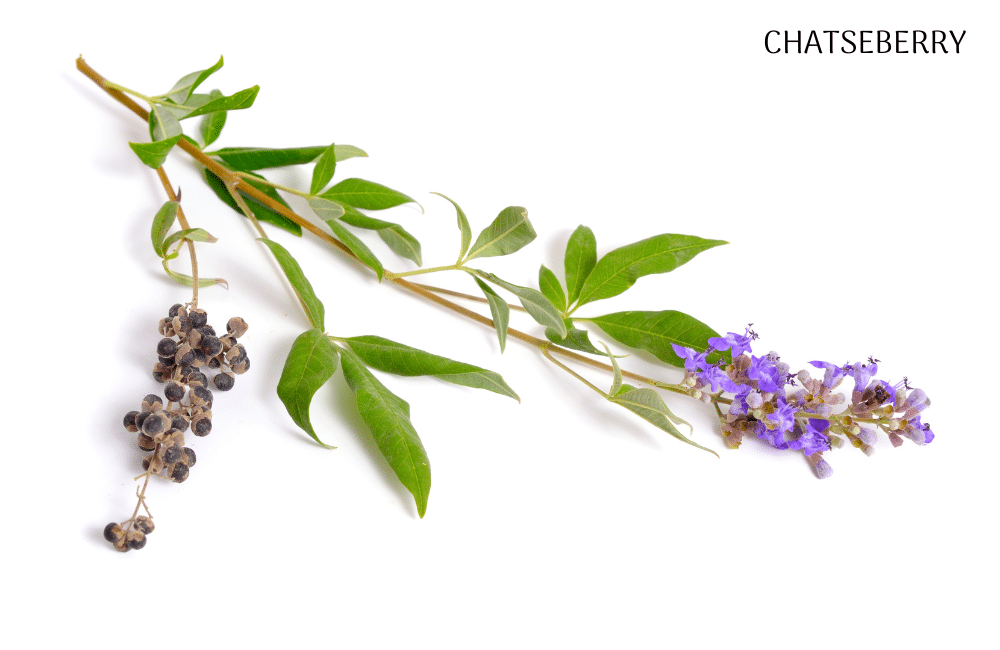
Vitex agnus-castus, also called chasteberry or chaste tree, is often marketed for “progesterone support,” irregular periods, breast tenderness, and mood changes.
What is it used for?
Vitex is best known for PMS, cyclical breast discomfort, and certain menstrual concerns. It appears to influence dopamine signaling and prolactin and may indirectly affect reproductive hormone patterns.
That does not mean vitex contains progesterone or reliably “raises progesterone” in every person.
What does the evidence show?
The strongest evidence is for PMS—not perimenopause. There are a few small trials involving menopausal or postmenopausal symptoms, but they do not provide the kind of consistent, replicated evidence needed to routinely recommend vitex for hot flashes or the broad range of perimenopause symptoms.
During perimenopause, irregular cycles do not automatically indicate a vitex deficiency. They often reflect less predictable ovulation as the ovarian follicle pool changes.
Who should use caution?
Vitex may not be appropriate with:
- pregnancy or breastfeeding
- fertility treatment
- hormonal contraceptives or hormone therapy without clinician review
- dopamine agonists or antagonists
- antipsychotic medications
- hormone-sensitive conditions
It may also cause GI symptoms, headache, itching, or menstrual changes.
Bottom line
Vitex may be reasonable for a carefully selected, clearly cyclical symptom pattern, but it is not a universal treatment for perimenopause or irregular bleeding. New, heavy, prolonged, or otherwise concerning bleeding deserves medical evaluation—not an herbal guess.
DIM
DIM, or 3,3′-diindolylmethane, forms in the body from compounds found in cruciferous vegetables such as broccoli, cabbage, Brussels sprouts, and cauliflower.
What is it used for?
DIM supplements are commonly marketed for “estrogen detox,” “estrogen dominance,” acne, breast symptoms, and cancer prevention.
The phrase estrogen dominance is used very loosely online and does not represent one standardized medical diagnosis. Sometimes it refers to high estrogen. Sometimes low progesterone. Sometimes ordinary perimenopausal fluctuations. Sometimes apparently any symptom occurring in a person with ovaries.
What does the evidence show?
DIM can change urinary estrogen-metabolite patterns. That is a biochemical effect—not proof that it improves hot flashes, sleep, irregular cycles, weight, mood, or long-term health outcomes.
Human trials have largely focused on estrogen metabolism and cancer-related biomarkers rather than routine treatment of perimenopause symptoms. We do not currently have strong clinical evidence supporting DIM as a general perimenopause supplement.
Eating cruciferous vegetables also provides fiber, vitamins, minerals, and other phytochemicals. A concentrated DIM capsule is not nutritionally or pharmacologically identical to eating broccoli.
Who should use caution?
DIM may interact with medications metabolized through the liver and deserves particular caution with hormone-sensitive conditions or endocrine therapy. In a randomized trial involving women taking tamoxifen, DIM changed estrogen metabolites but also reduced circulating levels of some tamoxifen metabolites, including endoxifen. Anyone receiving cancer treatment should discuss DIM with the oncology team rather than adding it independently.
Pregnant or breastfeeding individuals should avoid using DIM unless specifically directed by a qualified clinician.
Bottom line
DIM does something. The unanswered question is whether it does something clinically helpful for the particular person taking it. “Changes estrogen metabolites” and “improves perimenopause” are not interchangeable statements.
Evening primrose oil
Evening primrose oil provides gamma-linolenic acid, an omega-6 fatty acid. It is frequently marketed for breast tenderness, hot flashes, and skin concerns.
What does the evidence show?
Evidence for hot flashes is unconvincing. The Menopause Society’s 2023 position statement identified one placebo-controlled trial in which evening primrose oil did not outperform placebo for vasomotor symptoms. It is not recommended as a hot-flash treatment.
Research on cyclical breast pain is mixed, and any breast change that is new, persistent, focal, or otherwise concerning should be clinically evaluated.
Who should use caution?
Evening primrose oil may increase bleeding risk, particularly when combined with anticoagulant or antiplatelet medication. It also warrants caution in people with seizure disorders or those taking medications that lower the seizure threshold. Stop and disclose supplements before surgery according to the surgical team’s instructions.
Bottom line
Evening primrose oil is commonly recommended far more confidently than the evidence justifies. It is not supported for hot flashes and should not delay evaluation of breast symptoms.
Soy foods and soy isoflavones
Soy deserves a more nuanced conversation than either “soy cures menopause” or “soy causes breast cancer.” Neither is accurate.
Soy foods
Tofu, tempeh, edamame, soy milk, and other minimally processed soy foods provide protein, fiber or other nutrients depending on the food, and unsaturated fats. They can support overall dietary quality, muscle nourishment, and cardiometabolic health.
Soy foods contain isoflavones, compounds that can interact with estrogen receptors—preferentially estrogen receptor beta. Their effects are much weaker and more selective than the body’s own estrogen.
Do soy foods reduce hot flashes?
Maybe modestly for some people, but the research is inconsistent.
Trials vary widely in the type and amount of soy, baseline diet, length of treatment, symptom measurement, and whether participants can convert the soy isoflavone daidzein into equol. Only a subset of people produce equol, which may partly explain why responses differ.
The Menopause Society does not currently recommend soy foods, soy extracts, or equol specifically as evidence-based treatments for vasomotor symptoms because results are mixed and studies have important limitations.
That does not make soy an unhealthy food. It means tofu does not come with a hot-flash guarantee.
Soy foods versus isoflavone supplements
Whole soy foods and concentrated isoflavone supplements are not interchangeable. Supplements may deliver higher or more isolated doses and have less long-term safety information.
For people with a history of hormone-sensitive cancer, moderate amounts of whole soy foods are generally viewed differently from concentrated isoflavone supplements. Individual recommendations should come from the oncology team, especially during active treatment.
Bottom line
Eat soy foods if you enjoy and tolerate them. They provide useful nutrition whether or not they change your hot flashes. Do not assume a concentrated isoflavone product carries the same benefits or safety profile.
Black cohosh
Black cohosh is one of the most heavily marketed herbs for hot flashes and night sweats.
What does the evidence show?
The answer depends partly on which extract was studied. Some systematic reviews and trials of specific standardized products report improvements in overall menopause symptoms or hot flashes. Other trials show no meaningful benefit.
Because products vary, study results are inconsistent, and the evidence has important limitations, The Menopause Society’s 2023 position statement concluded that black cohosh is not recommended for vasomotor symptoms. NCCIH describes the evidence as potentially favorable for some extracts but inconsistent overall.
Both statements can be true. “Some products show promise” is not the same as “any black cohosh bottle will work.”
Who should use caution?
Black cohosh can cause GI discomfort, cramping, headache, rash, or spotting. Rare cases of serious liver injury have been reported, although causality and product contamination remain uncertain.
Use caution or seek specialist guidance with:
- liver disease
- pregnancy or breastfeeding
- hormone-sensitive conditions
- statins or other medications with potential interactions
- unexplained vaginal bleeding
Stop use and seek medical guidance for dark urine, yellowing of the skin or eyes, unusual fatigue, or other possible liver symptoms.
Bottom line
Black cohosh is not complete nonsense, but the evidence is not consistent enough for a blanket recommendation. Product identity and standardization matter enormously.
Siberian rhubarb extract
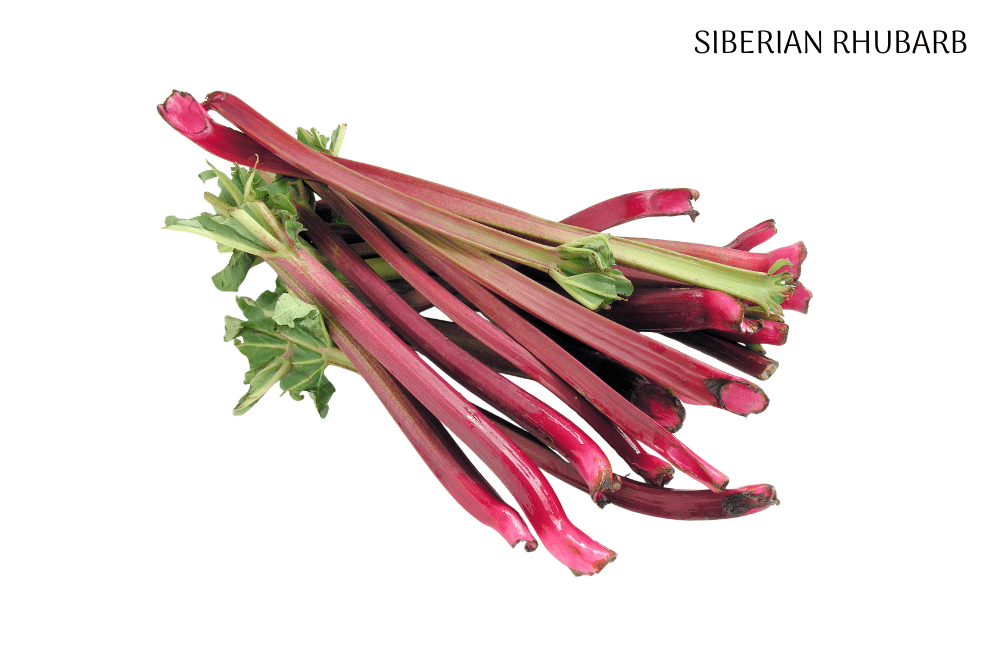
Siberian rhubarb extract—usually the proprietary extract ERr 731—is marketed for hot flashes and broader menopause symptoms.
What does the evidence show?
A small randomized trial and several observational studies reported improvements in menopause symptom scores. However, the evidence centers on one proprietary extract, some studies were open-label, and the main randomized trial had extremely uneven dropout between the treatment and placebo groups.
The Menopause Society considers the evidence limited and does not currently recommend rhubarb extract for vasomotor symptoms.
This is an important example of why “clinically studied” does not always mean “conclusively proven.” Sometimes it means one specific product has interesting early data and still needs better independent replication.
Who should use caution?
Because the extract has estrogen-receptor activity, people with hormone-sensitive conditions, unexplained bleeding, pregnancy, breastfeeding, or complex medication regimens should consult their healthcare team before use.
Bottom line
Promising is a fair word. Proven is not.
Magnesium and omega-3 fatty acids
These supplements are not established treatments for perimenopause itself, but they may have a role when the goal is more specific.
Magnesium
Magnesium may be useful when dietary intake is low or when a specific form is being used appropriately for constipation, migraine prevention, or another clinical indication. Research supporting magnesium as a direct treatment for hot flashes or broad menopause symptoms is limited.
Different forms have different properties. Magnesium oxide is more likely to cause diarrhea and is less well absorbed than some other forms. Magnesium citrate may help constipation. Magnesium glycinate is often marketed for sleep, but clinical evidence for meaningful sleep improvement remains limited.
Supplemental magnesium can cause diarrhea and interact with medications including certain antibiotics and osteoporosis medications. People with significant kidney disease should not supplement without medical guidance because magnesium can accumulate.
Omega-3 fatty acids
Omega-3 fatty acids may be appropriate for people who eat little fatty fish, have elevated triglycerides, or have another defined cardiovascular or nutritional indication. Evidence for reducing hot flashes is inconsistent, and they are not a stand-alone treatment for depression or anxiety.
High supplemental doses may increase bleeding risk or cause GI symptoms and should be reviewed when someone takes anticoagulants, has surgery planned, or uses multiple products containing omega-3s.
Bottom line
Magnesium and omega-3s can be useful. Their job should be more specific than “because I am in perimenopause.”
Calcium, vitamin D, and creatine
These supplements belong in a different category. They are not primarily trying to stop hot flashes. Their potential role relates to bone, muscle, nutrient adequacy, and healthy aging.
Calcium
Calcium supports bone, muscle contraction, nerve signaling, and other essential functions. Women ages 19 to 50 generally need about 1,000 mg per day from food and supplements combined; the recommended amount increases to 1,200 mg after age 50.
Food-first sources include dairy products, calcium-set tofu, fortified plant milks, canned fish with bones, and selected greens, beans, nuts, and seeds.
More is not automatically better. Supplements should fill the gap between intake and need—not sit on top of an already calcium-rich diet. High-dose supplementation may cause constipation and increase kidney-stone risk in susceptible people. Calcium also interacts with thyroid medication, iron, and certain antibiotics, so timing matters.
Vitamin D
Vitamin D supports calcium absorption, bone health, immune function, and muscle function. Supplement needs vary with dietary intake, sun exposure, skin pigmentation, geography, absorption, body size, medications, and laboratory status.
Vitamin D does not need to be taken in heroic doses simply because perimenopause has arrived. Excessive supplementation can cause high calcium levels and kidney injury. Use the dose needed to correct or prevent inadequacy, and monitor when using higher therapeutic doses.
Creatine monohydrate
Creatine has become popular in menopause spaces for muscle, strength, bone, mood, and cognition. The strongest support is for exercise performance and strength, particularly when creatine is paired with resistance training.
Research in postmenopausal and older women suggests small but potentially meaningful benefits for strength, especially with longer resistance-training programs. Findings for lean mass are mixed. Bone findings are also mixed: some trials show benefit at certain sites, while a two-year trial did not find broad improvements in bone mineral density.
Creatine is not a substitute for eating enough protein or performing resistance training. It is an addition to the foundation—not the foundation wearing an expensive label.
Creatine monohydrate is the most studied form. A common maintenance amount is 3 to 5 grams per day, but dosing should still be individualized. It may cause temporary water-weight gain or GI discomfort. People with kidney disease or complex medical histories should consult their healthcare professional before use.
Bottom line
Calcium and vitamin D should be guided by intake, risk, and labs when appropriate. Creatine is one of the more promising options for midlife muscle support—but it has a much better résumé when resistance training is also present.
Fiber, probiotics, and targeted GI support
Digestive symptoms can change during midlife, but a generic “menopause probiotic” is not automatically the answer.
Fiber
Fiber can support bowel regularity, cholesterol, blood sugar regulation, satiety, and the gut microbiome. Food sources include vegetables, fruit, whole grains, beans, lentils, nuts, and seeds.
Supplemental psyllium may be useful for constipation, stool regulation, and cholesterol. Other fibers have different properties, and adding a large dose too quickly can create bloating, gas, or discomfort—the exact opposite of the intended experience.
Increase gradually, include adequate fluid, and separate fiber supplements from medications when instructed because they may affect absorption.
Probiotics
Probiotic effects are strain-specific. One product cannot be assumed to treat constipation, diarrhea, vaginal symptoms, mood, and hot flashes simply because all of those claims fit on the website.
The developing research on the gut microbiome and estrogen metabolism is interesting, but we do not yet have enough evidence to prescribe one universal probiotic for the “estrobolome” or perimenopause.
Bottom line
Choose GI support based on the actual symptom and evidence for the specific fiber, strain, or intervention. Persistent pain, bleeding, vomiting, unexplained weight change, anemia, or major bowel changes require medical evaluation.
How to choose and monitor a supplement
If a supplement is appropriate, use the same care you would apply to another clinical intervention.
1. Name the target
Choose one measurable goal: fewer hot flashes, easier bowel movements, improved vitamin D status, fewer migraines, or better strength progression.
“Feel better” is understandable, but difficult to evaluate without more detail.
2. Check interactions first
Bring your complete medication and supplement list to a pharmacist or qualified healthcare professional. Include powders, teas, gummies, tinctures, and products you take only occasionally.
This is especially important with:
- anticoagulants or antiplatelet medications
- antidepressants, antipsychotics, or seizure medications
- thyroid medication
- hormone therapy or hormonal contraception
- fertility treatment
- tamoxifen, aromatase inhibitors, or other cancer treatments
- liver or kidney disease
- upcoming surgery
- pregnancy or the possibility of pregnancy
Perimenopause is not contraception. Ovulation may be unpredictable, but pregnancy can still occur.
3. Choose transparent products
Look for:
- the exact ingredient and amount—not only a proprietary blend
- standardized herbal extracts when the evidence relates to one specific extract
- third-party verification such as USP, NSF, or another reputable independent testing program
- lot numbers and clear manufacturer contact information
- realistic claims
Third-party testing can help verify identity and contamination. It does not prove that the product works.
4. Start one intervention at a time
If you begin five products simultaneously and feel better—or worse—you will have no idea which one deserves the credit or blame.
5. Use an appropriate trial period
Decide how long the supplement should reasonably take to work and what outcome you will track. Stop for adverse effects and reassess if there is no meaningful benefit.
6. Monitor what matters
Depending on the supplement, monitoring may include:
- symptom frequency or severity
- sleep quality
- bowel patterns
- menstrual bleeding
- headaches
- blood pressure
- nutrient labs
- kidney or liver markers
- strength and exercise tolerance
Do not keep taking something indefinitely simply because discontinuing it would require opening the cabinet and making a decision.
What has stronger evidence for hot flashes?
Supplements are not the only nonhormonal options.
Menopausal hormone therapy remains the most effective treatment for vasomotor symptoms for appropriate candidates. Evidence-based nonhormonal treatments include certain SSRIs and SNRIs, gabapentin, fezolinetant, oxybutynin, cognitive-behavioral therapy, and clinical hypnosis. The right option depends on medical history, symptoms, medication interactions, risks, and preferences.
Common does not mean you need to quietly tolerate disruptive symptoms. If hot flashes or night sweats are interfering with sleep, work, mood, or quality of life, talk with a clinician who is comfortable discussing hormonal and nonhormonal treatment.
Frequently asked questions
What is the best supplement for perimenopause?
There is no single best supplement because perimenopause is not one symptom or one deficiency. The right intervention depends on whether the goal is hot-flash relief, migraine prevention, constipation treatment, bone support, muscle strength, or correction of a documented nutrient gap.
Should everyone in perimenopause take magnesium?
No. Magnesium may be useful when intake is low or for a specific indication such as constipation or migraine prevention. It is not a universally required menopause supplement, and the best form and amount depend on the goal.
Is DIM good for estrogen dominance?
DIM changes estrogen-metabolite patterns, but we do not have strong evidence that it treats the broad group of symptoms commonly labeled “estrogen dominance.” It can also interact with medications, including concerns related to tamoxifen metabolism. Use it only with a clear rationale and appropriate clinical review.
Is soy safe if breast cancer runs in my family?
Whole soy foods and high-dose isoflavone supplements should not be treated as equivalent. Moderate intake of whole soy foods is generally considered compatible with a healthful dietary pattern, but people with a personal history of hormone-sensitive cancer or active treatment should discuss concentrated supplements with their oncology team.
Does black cohosh work for hot flashes?
Some standardized extracts have shown benefit, while other trials have not. Because the evidence and product quality are inconsistent, The Menopause Society does not currently recommend black cohosh for vasomotor symptoms. It also carries potential safety concerns, including rare reports of liver injury.
Can I take several menopause supplements together?
Not automatically. Combination products make it harder to identify which ingredient helped or caused an adverse effect and may increase interaction risk. Review the complete formula rather than trusting the reassuring name on the front.
How long should I try a supplement?
It depends on the product and goal. Establish a reasonable time frame before starting, track the target symptom or lab, and discontinue if there is no meaningful benefit or adverse effects occur.
The bottom line
Perimenopause can create a strong desire to do something—especially when symptoms are affecting sleep, mood, work, relationships, or how you feel in your own body.
Supplements may be part of the plan, but they should not be the entire plan or a way to avoid appropriate medical care.
Vitex has better evidence for PMS than perimenopause. DIM changes estrogen metabolites without proving broad clinical benefit. Evening primrose oil is not supported for hot flashes. Soy foods provide valuable nutrition even though symptom relief is inconsistent. Black cohosh and Siberian rhubarb have some promising product-specific data, but the overall evidence remains limited. Magnesium, calcium, vitamin D, omega-3s, creatine, and fiber may be useful when they have a defined nutritional or clinical job.
The goal is not to collect the largest possible supplement routine.
Define the problem. Choose the safest evidence-supported option. Monitor whether it works. Stop what is not helping. And remember that natural products are still biologically active—which is supposedly why we are taking them in the first place.
How Whole Lifecycle Nutrition Can Help
At Whole Lifecycle Nutrition, we help clients sort through symptoms, nutrition, laboratory data, medications, supplements, and the very confident claims made by strangers on the internet.
Our approach is individualized and weight-neutral. We can help identify nutritional gaps, evaluate whether a supplement has a reasonable job, build food and lifestyle foundations, and coordinate with your medical team when symptoms need additional evaluation or treatment.
Ready for individualized support? Book a consultation with Whole Lifecycle Nutrition.
Blog References
- The North American Menopause Society. The 2023 nonhormone therapy position statement of The North American Menopause Society. Menopause. 2023;30(6):573-590. https://menopause.org/wp-content/uploads/professional/2023-nonhormone-therapy-position-statement.pdf
- National Center for Complementary and Integrative Health. Menopausal Symptoms and Complementary Health Approaches. https://www.nccih.nih.gov/health/providers/digest/menopausal-symptoms-and-complementary-health-approaches
- National Center for Complementary and Integrative Health. Black Cohosh: Usefulness and Safety. https://www.nccih.nih.gov/health/black-cohosh
- Verkaik S, Kamperman AM, van Westrhenen R, Schulte PFJ. The treatment of premenstrual syndrome with preparations of Vitex agnus-castus: a systematic review and meta-analysis. Am J Obstet Gynecol. 2017;217(2):150-166. https://pubmed.ncbi.nlm.nih.gov/28237870/
- Thomson CA, et al. A randomized, placebo-controlled trial of diindolylmethane for breast cancer biomarker modulation in patients taking tamoxifen. Breast Cancer Res Treat. 2017;165(1):97-107. https://pmc.ncbi.nlm.nih.gov/articles/PMC5571834/
- Franco OH, Chowdhury R, Troup J, et al. Use of plant-based therapies and menopausal symptoms: a systematic review and meta-analysis. JAMA. 2016;315(23):2554-2563. https://jamanetwork.com/journals/jama/fullarticle/2529629
- Sadahiro R, Matsuoka LN, Zeng B-S, et al. Black cohosh extracts in women with menopausal symptoms: an updated pairwise meta-analysis. Menopause. 2023;30(7):766-773.
- Smith-Ryan AE, Cabre HE, Eckerson JM, Candow DG. Creatine supplementation in women’s health: a lifespan perspective. Nutrients. 2021;13(3):877. https://pubmed.ncbi.nlm.nih.gov/33800439/
- Dos Santos EEP, de Araújo RC, Candow DG, et al. Efficacy of creatine supplementation combined with resistance training on muscle strength and muscle mass in older females: a systematic review and meta-analysis. Nutrients. 2021;13(11):3757. https://pubmed.ncbi.nlm.nih.gov/34836013/
- National Institutes of Health, Office of Dietary Supplements. Calcium: Fact Sheet for Health Professionals. https://ods.od.nih.gov/factsheets/Calcium-HealthProfessional/
- National Institutes of Health, Office of Dietary Supplements. Vitamin D: Fact Sheet for Health Professionals. https://ods.od.nih.gov/factsheets/VitaminD-HealthProfessional/
- National Institutes of Health, Office of Dietary Supplements. Magnesium: Fact Sheet for Health Professionals. https://ods.od.nih.gov/factsheets/Magnesium-HealthProfessional/
