

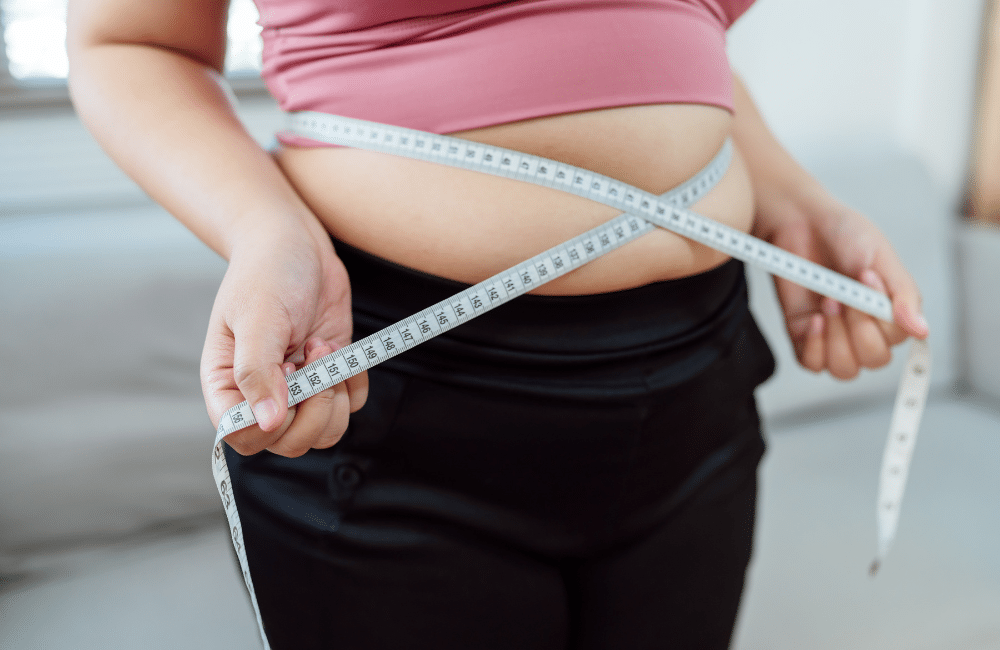
Feel like your body is changing shape during perimenopause? Even when your weight has not changed dramatically, you may experience this phenomenon.
Midlife body changes are often dismissed with some version of, “Your metabolism just slows down.” Although technically adjacent to the truth, it leaves out most of the useful information.
Aging can contribute to overall weight gain. At the same time, the menopause transition can accelerate changes in body composition: fat mass tends to increase, lean mass begins to decline, and fat is more likely to accumulate around the abdomen and internal organs.
This is not simply a story about body size. It is about muscle, fat distribution, insulin sensitivity, bone health, cardiovascular risk, sleep, strength, and how well your body supports you through the next several decades.
Quick answer: Aging is an important driver of overall midlife weight gain, while the hormonal changes of the menopause transition appear to have a particularly important effect on body composition and fat distribution. You may notice a changing waist or different clothing fit even without a large change on the scale. Increasingly restrictive dieting is not the only (or usually the most helpful) response. Preserving muscle, eating adequately, moving regularly, sleeping well, managing stress, and monitoring cardiometabolic health matter far more than chasing a smaller body at any cost.

Weight and body composition are not the same
Your body weight is the force of the earth’s gravity pulling you. It does not tell us how much of that weight comes from muscle, fat, bone, organs, fluid, or the lunch you just ate. It also doesn’t tell us about all of your amazing qualities as a badass human. It is literally just a number.
Body composition describes the relative amounts of fat mass, lean tissue, bone, and other components of the body.
Two people can weigh exactly the same and have very different amounts of muscle, visceral fat, bone mass, strength, and metabolic risk. The same person can also remain at a relatively stable weight while losing muscle and gaining fat.
That is why the scale can miss meaningful midlife changes.
You may notice:
- a changing waistline
- clothing fitting differently
- less muscle definition
- reduced strength or stamina
- more abdominal fullness
- a softer body composition despite little scale change
- greater difficulty recovering from exercise
All of these changes are information….not a moral evaluation of your breakfast.
What changes during the menopause transition?
The Study of Women’s Health Across the Nation, better known as SWAN, has followed a large, racially and ethnically diverse group of women through midlife.
Its longitudinal body-composition data help separate changes associated with aging from those that speed up during the menopause transition.
Researchers found that both fat and lean mass were already changing before the transition. However, once the menopause transition began:
- the rate of fat gain approximately doubled
- lean mass began to decline
- these accelerated changes continued until roughly two years after the final menstrual period
Super fun, right? Additional SWAN analyses found that abdominal and visceral fat increased more rapidly during the transition. This helps explain why someone may say, “My weight has not changed much, but my body absolutely has.” Guilty as charged….
The important distinction
| Change | Major influences |
|---|---|
| Overall midlife weight gain | Aging, genetics, activity, sleep, medications, stress, food access, eating patterns, and other health conditions |
| Increased abdominal and visceral fat | Aging plus hormonal changes during the menopause transition |
| Loss of lean mass | Aging, hormonal changes, inactivity, inadequate protein or energy intake, illness, and insufficient recovery |
| Changing clothing fit without major weight change | Fat redistribution, muscle loss, bloating, and other body-composition changes |
The takeaway is that telling women to “eat less and move more” ignores the actual physiology and is not especially useful. And, we can’t blame all the things on our hormones.
Subcutaneous fat versus visceral fat
Not all body fat is stored in the same place or behaves the same way. Let’s unpack the difference.
Subcutaneous adipose tissue
Subcutaneous fat is stored directly beneath the skin. It is the softer fat you can pinch around the abdomen, hips, thighs, or arms.
This tissue provides energy storage, insulation, cushioning, and important hormonal functions. Its presence is normal and necessary.
Visceral adipose tissue
Visceral adipose tissue, or VAT, is stored deeper inside the abdominal cavity around organs such as the liver, intestines, and pancreas.
VAT is metabolically active. Compared with subcutaneous fat, higher amounts are more strongly associated with insulin resistance, inflammation, abnormal blood lipids, fatty liver disease, type 2 diabetes, and cardiovascular disease.
You cannot determine the exact amount of visceral fat by looking at someone. Waist measurements and waist-to-height ratio may provide additional information, but imaging methods such as CT and MRI assess VAT more directly and are not routinely needed for most people.
Important: Having abdominal fat does not mean you are unhealthy, and having a smaller body does not guarantee metabolic health. VAT is one risk factor within a much larger clinical picture.
Why visceral adipose tissue matters
Fat tissue is not simply passive storage. It communicates with the rest of the body through hormones, inflammatory signals, and fatty acids. Yup. Your fat has a voice.
When visceral fat increases, it may contribute to:
- reduced insulin sensitivity
- higher fasting glucose or hemoglobin A1c
- increased triglycerides
- changes in HDL and LDL cholesterol
- higher blood pressure
- metabolic dysfunction-associated steatotic liver disease, formerly called fatty liver disease
- increased cardiovascular risk
This is why the conversation should be about metabolic protection, not cosmetic panic over a changing stomach.
We are not declaring war on your abdomen. Instead, the goal is to support muscle, glucose regulation, cardiovascular health, liver health, sleep, and long-term function.
What does estrogen have to do with it?
Estrogen receptors are found throughout the body, including in adipose tissue, muscle, bone, the brain, and the cardiovascular system.
During perimenopause, estrogen does not decline in a smooth, predictable line. Levels can fluctuate considerably before eventually settling lower after menopause. These changes appear to affect how and where the body stores fat.
Before menopause, fat is more likely to be stored in a gluteofemoral pattern – around the hips and thighs. As estrogen declines, storage tends to shift toward a more central or abdominal pattern, including greater visceral fat accumulation.
Estrogen changes may also interact with:
- insulin signaling
- inflammation
- appetite regulation
- energy expenditure
- muscle protein turnover
- sleep and circadian rhythms
- physical activity and fatigue
This does not mean estrogen is the lone mastermind behind every midlife change, and it is not the only hormone involved. Rising FSH and changes in SHBG and the balance of available androgens are also being studied for their potential roles in visceral fat accumulation. Aging, genetics, behavior, environment, medications, and health conditions also still matter. Biology is annoyingly committed to being multifactorial.
Does menopausal hormone therapy prevent weight gain?
Menopausal hormone therapy is not a weight-loss treatment. Evidence does not suggest that it causes the typical midlife weight gain many women fear, and it may modestly influence fat distribution or metabolic markers in some people.
Its primary role is treating appropriate menopause symptoms and, in some circumstances, protecting bone – not changing body size. Decisions about hormone therapy should be individualized with a qualified prescriber based on symptoms, medical history, risks, preferences, formulation, dose, and route.
Muscle loss changes the picture
Muscle is not merely about appearance. It is central to blood sugar regulation, mobility, balance, bone health, independence, recovery from illness, and the ability to carry every grocery bag inside in one trip because two trips would apparently be unreasonable.
Skeletal muscle handles most of your body’s sugar. When you lose muscle or stop moving, your body has a harder time clearing sugar from your blood.
Muscle requires more energy to maintain than fat tissue, so losing muscle can contribute to a modest decline in resting energy expenditure. But your metabolism does not simply crash the day you turn 40.
Lean mass begins to decline during the menopause transition, although researchers are still working to separate the effects of hormonal changes from aging, activity, nutrition, and other factors. Regardless of the precise cause, resistance training, adequate nourishment, protein distribution, recovery, and treatment of relevant medical issues can help preserve muscle and function.
A better goal than “lose weight”: Maintain or improve strength, preserve lean mass, protect bone, support metabolic health, and remain capable of living the life you want.
Why this is not only about hormones
Hormones matter, but they live in a body experiencing an actual life.
Sleep
Hot flashes, night sweats, insomnia, restless legs, pain, anxiety, and sleep apnea can all disrupt sleep in midlife. Poor sleep can affect appetite regulation, glucose metabolism, mood, energy, food choices, and the desire to exercise.
Sleep apnea is often underrecognized in women, whose symptoms may include insomnia, fatigue, morning headaches, mood changes, or unrefreshing sleep – not only loud snoring.
Stress and nervous-system load
Midlife often includes caregiving, parenting, career demands, relationship changes, financial pressure, grief, and very little unclaimed time.
Chronic stress does not magically create fat from nothing, but it can alter sleep, appetite, blood sugar regulation, alcohol intake, movement, recovery, and the capacity to plan and prepare food. Telling an overwhelmed woman to “just reduce stress,” or my favorite, to “relax,” is not a plan. Creating realistic supports may be.
Physical activity
People may move less because of fatigue, pain, injury, time constraints, caregiving, depression, or disrupted sleep. Formal exercise may change, but so can everyday movement such as walking, standing, household tasks, and taking the stairs.
Medications
Some antidepressants, antipsychotics, corticosteroids, insulin-related medications, antihistamines, antiseizure medications, and other drugs may affect appetite, fluid balance, fatigue, glucose metabolism, or weight. Never stop taking medication because of a blog post. Even a great one like this. Discuss concerns and alternatives with the prescribing clinician.
Genetics and health conditions
Genetics influence fat distribution and metabolic risk. Thyroid dysfunction, insulin resistance, diabetes, sleep apnea, depression, chronic pain, mobility limitations, and other conditions can also contribute to body-composition changes.
Food access and life circumstances
Time, income, cultural foodways, family responsibilities, kitchen access, work schedules, and healthcare access all shape what is realistically possible. Health advice that ignores these factors is not personalized; it is just demanding.
Why eating less and less can backfire
When body shape changes, the reflexive advice is often to cut calories, cut “carbs,” skip meals, fast longer, or exercise harder.
Some people may benefit from intentional weight loss, and that decision deserves individualized, respectful care. But chronic under-fueling and aggressive restriction can work against several priorities that become especially important in midlife. As a dietitian, this is the mistake I see the absolute most in midlife women (and female athletes). Underfueling.
Inadequate energy or protein can contribute to:
- muscle loss
- reduced strength and exercise recovery
- fatigue and brain fog
- increased food preoccupation
- intense hunger or rebound eating
- constipation
- poor sleep
- mood changes
- inadequate calcium, vitamin D, iron, and other nutrients
- reduced bone support
Not cool. Weight cycling (the repeated loss and regain of weight) may also have physical and psychological costs. A plan that produces a smaller number temporarily while sacrificing muscle, bone, mental health, or a peaceful relationship with food is not an obvious metabolic victory. This same tradeoff deserves careful consideration with any weight-loss intervention – including medication.
Under-fueling can make many perimenopausal symptoms worse.
The first target should be providing enough energy and nutrients to support muscle, bone, brain function, movement, recovery, and metabolic health – not automatically reducing calories as far as possible.

How to support body composition and metabolic health
There is no single menopause diet. The most useful plan is one that provides adequate nutrition, fits your health needs and culture, and remains realistic on a typical weekday.
1. Prioritize resistance training
Resistance training provides the clearest signal to maintain or build muscle.
Options include:
- free weights
- machines
- resistance bands
- body-weight exercises
- Pilates or other strength-focused movement
- carrying, pushing, pulling, climbing, and functional training
Aim to train the major muscle groups at least twice per week when appropriate, gradually increasing the challenge over time. If you are new to strength training, have pain, osteoporosis, pelvic-floor symptoms, or a medical condition, seek individualized guidance from an appropriately qualified professional.
2. Eat adequate protein – and distribute it
Protein provides the amino acids needed for muscle repair and remodeling. Instead of placing nearly all of it at dinner, include a meaningful protein source at meals and, when helpful, snacks.
Examples include:
- fish, poultry, meat, or eggs
- Greek yogurt, cottage cheese, milk, or fortified soy milk
- tofu, tempeh, edamame, or textured vegetable protein
- beans, lentils, and peas
- nuts and seeds
- protein powders when they add convenience
Muscle also becomes somewhat less responsive to smaller doses of protein with age, sometimes referred to as anabolic resistance. This is another reason it can be helpful to include a substantial, leucine-rich protein source at several meals rather than consuming very little protein throughout the day and most of it at dinner.
Protein needs vary with body size, health, kidney function, activity, and goals. A dietitian can help determine an appropriate target and translate it into actual meals.
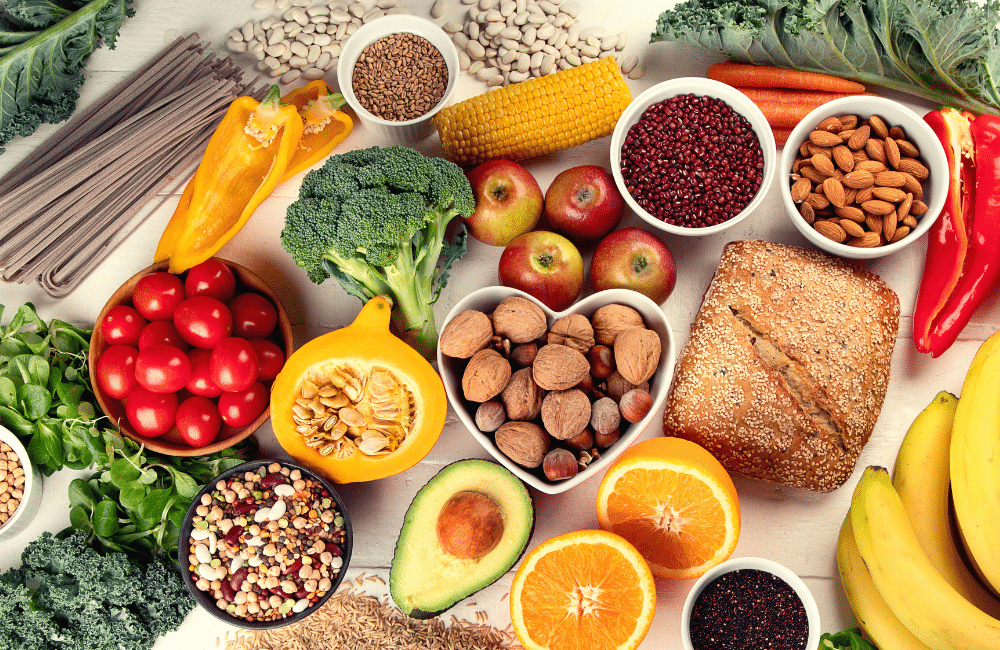
3. Keep fiber-rich carbohydrates
Carbohydrates are not the root of all evil.
Fiber-rich carbohydrate foods support pooping, the gut microbiome, cholesterol, blood sugar regulation, exercise performance, and dietary satisfaction.
Include foods such as:
- oats and other whole grains
- beans and lentils
- fruit
- vegetables
- potatoes and sweet potatoes
- quinoa, brown rice, barley, and other intact grains
Pairing carbohydrates with protein, fat, and fiber may support steadier energy and blood sugar responses. The right amount and type depend on the person; cutting carbs is rarely the holy grail promised by the internet.
4. Include cardiovascular and everyday movement
Aerobic movement supports cardiovascular fitness, insulin sensitivity, mood, sleep, and endurance. Walking, cycling, dancing, swimming, hiking, and many other activities count.
Everyday movement also matters. Standing, gardening, household tasks, walking during phone calls, and brief movement breaks can add meaningful activity without requiring another formal workout.
A blend of resistance training, aerobic movement, balance work, and general daily activity offers broader benefits than relying on one form alone.
5. Treat sleep as metabolic care
Sleep is not an optional reward for completing the to-do list. I used to say “I’ll sleep when I’m dead.” Silly, stupid young me.
Helpful steps may include:
- treating hot flashes or night sweats
- keeping a consistent wake time
- reducing caffeine later in the day
- limiting alcohol when it disrupts sleep
- creating a wind-down routine
- getting morning light exposure
- addressing pain, reflux, restless legs, or frequent urination
- seeking evaluation for possible sleep apnea
If sleep remains poor, ask your healthcare provider about evidence-based treatments.
6. Support the nervous system realistically
Stress support does not need to mean a 45-minute meditation practice performed perfectly every morning. Although I know some people who do that.
Consider:
- a five-minute transition between work and home
- breathing with a longer exhale
- walking outside
- therapy or support groups
- reducing unnecessary decisions
- setting limits around work or caregiving where possible
- eating before reaching the point of depletion
- asking for practical help
- doing something pleasurable without converting it into a productivity tool
You cannot fully eliminate stress. You usually can work to increase recovery and reduce the number of demands your body must absorb without support.
7. Support bone while protecting muscle
Bone loss accelerates around the final menstrual period. Resistance and weight-bearing movement, getting enough calcium, vitamin D, protein, and appropriate medical screening all matter.
People with early menopause, a history of restrictive eating, low-trauma fractures, prolonged steroid use, low body weight, certain medical conditions, or other risk factors may need earlier assessment.
8. Make the plan sustainable
A beautiful plan that cannot survive your work schedule, budget, symptoms, food preferences, or family life is not worth the time it takes to color code.
Start with one or two repeatable anchors:
- a protein-containing breakfast
- two scheduled strength sessions
- a consistent grocery list
- a ten-minute walk after one meal
- an evening wind-down cue
- a balanced afternoon snack that prevents arriving at dinner depleted
Health is usually built through small actions repeated often, not through a highly motivated weekend followed by three weeks of exhaustion.
What to monitor beyond BMI
BMI can be one piece of population-level information, but it does not directly measure visceral fat, muscle mass, metabolic health, fitness, food intake, or health behaviors.
A more complete assessment may include:
| Area | Possible measures or questions |
|---|---|
| Glucose (blood sugar) regulation | Fasting glucose, hemoglobin A1c, and in some instances, fasting insulin or additional individualized testing |
| Lipids | Total cholesterol, LDL, HDL, triglycerides, and other markers when appropriate |
| Cardiovascular health | Blood pressure, family history, smoking status, activity, and overall risk profile |
| Liver health | Liver enzymes and further evaluation when indicated |
| Body composition | Strength, functional changes, waist measures when clinically useful, or DXA/body-composition testing in selected situations |
| Bone health | Fracture history, calcium and vitamin D intake, menstrual and menopause history, medications, and bone-density screening when indicated |
| Sleep | Sleep quality, snoring, witnessed breathing pauses, morning headaches, and daytime fatigue |
| Nutrition | Meal consistency, protein and fiber intake, adequacy, food access, GI symptoms, and relationship with food |
| Function | Strength, balance, mobility, stamina, recovery, and ability to perform meaningful activities |
No single measurement tells the whole story. Trends, symptoms, health history, and function matter.
Frequently asked questions
Is perimenopause causing my weight gain?
Possibly in part, but usually not by itself. Aging is an important contributor to overall midlife weight change. The menopause transition appears to accelerate fat gain and lean-mass loss and has a particularly important effect on fat distribution. Sleep, stress, activity, medications, genetics, and health conditions may also contribute.
Why is my stomach larger even though my weight has barely changed?
You may be experiencing fat redistribution, increased visceral or abdominal fat, reduced muscle mass, bloating, or a combination of factors. Stable weight does not necessarily mean stable body composition.
Can I target visceral fat with abdominal exercises?
Abdominal exercises can strengthen your core, but they cannot selectively remove fat from one area. Resistance training, aerobic movement, sleep, adequate nutrition, and management of cardiometabolic risk support overall metabolic health.
Should I cut carbohydrates?
Not automatically. Fiber-rich carbohydrates support gut, cardiovascular, and metabolic health and provide energy for movement. The amount, type, and distribution can be individualized, particularly for someone with diabetes or significant insulin resistance, but blanket elimination is rarely necessary.
Will eating more protein prevent muscle loss?
Protein helps, but it works best alongside resistance training and getting enough calories. More is not always better, and individual needs vary.
Does hormone therapy stop menopause-related weight gain?
Hormone therapy is not a weight-loss treatment. It does not appear to cause the typical midlife weight gain and may modestly affect fat distribution or metabolic measures in some women. Its use should be based on an individualized discussion of menopause symptoms, bone health, benefits, risks, and preferences.
Do I need a body-composition scan?
A scan may provide useful information in selected clinical circumstances, but it is not required to begin supporting muscle, bone, sleep, nutrition, or cardiovascular health. Repeated testing can also become unhelpful for people with body-image distress or eating-disorder histories.
When should I talk with a healthcare professional?
Seek support if body changes are rapid or unexplained, or occur alongside severe fatigue, weakness, swelling, major menstrual changes, increased thirst or urination, significant sleep symptoms, medication changes, or other concerning symptoms. A clinician can help assess thyroid function, glucose regulation, anemia, sleep apnea, medication effects, and other potential contributors.
The bottom line
Midlife body changes are real and multifactorial. They are not evidence that you have become lazy or undisciplined.
Aging contributes to overall weight change. The menopause transition can accelerate fat gain and lean-mass loss while shifting more fat toward the abdomen and internal organs. That shift matters because visceral fat is connected with insulin resistance and cardiovascular risk, but it is only one part of your health.
Eating less, exercising harder, and becoming increasingly preoccupied with your body is not the answer. What to do instead?
Protect muscle. Support bone. Eat enough. Include fiber-rich foods. Move in ways that build strength and cardiovascular capacity. Get quality sleep. Monitor meaningful health markers. Get individualized support when you need it.
Your midlife health deserves a strategy built around strength, function, and metabolic protection.
How Whole Lifecycle Nutrition Can Help
Body-composition changes can be confusing, especially when generic advice does not account for perimenopause, medical history, symptoms, food preferences, or your relationship with food.
At Whole Lifecycle Nutrition, we provide individualized, weight-neutral nutrition support for perimenopause and menopause, metabolic health, digestive concerns, and sustainable behavior change. Together, we can evaluate what may be contributing and create a plan that supports nourishment, strength, energy, and long-term health.
Ready for individualized support? Book a consultation with Whole Lifecycle Nutrition.
Blog References
Menopause transition & body composition (SWAN)
- Greendale GA, Sternfeld B, Huang M, et al. “Changes in Body Composition and Weight During the Menopause Transition.” JCI Insight, 2019. – Fat gain roughly doubles at the transition; lean mass declines; changes continue until ~2 years after the final menstrual period.
- Greendale GA, Han W, Finkelstein JS, et al. “Changes in Regional Fat Distribution and Anthropometric Measures Across the Menopause Transition.” Journal of Clinical Endocrinology & Metabolism, 2021. – Visceral and abdominal fat accrue during the transition, independent of chronological aging.
Cardiovascular & metabolic risk of the transition
- El Khoudary SR, Aggarwal B, Beckie TM, et al. “Menopause Transition and Cardiovascular Disease Risk: A Scientific Statement From the American Heart Association.” Circulation, 2020. – Central/visceral fat accumulation drives midlife cardiometabolic risk.
- Lambrinoudaki I, Paschou SA, Armeni E, Goulis DG. “The Interplay Between Diabetes Mellitus and Menopause.” Nature Reviews Endocrinology, 2022. – Visceral fat, insulin resistance, and diabetes risk in menopause.
Visceral vs. subcutaneous fat
- Lee JJ, Pedley A, Hoffmann U, Massaro JM, Fox CS. “Association of Changes in Abdominal Fat Quantity and Quality With Incident Cardiovascular Disease Risk Factors.” Journal of the American College of Cardiology, 2016. – Rising visceral (not subcutaneous) fat is linked to incident cardiometabolic risk.
- Valenzuela PL, Carrera-Bastos P, Castillo-García A, et al. “Obesity and the Risk of Cardiometabolic Diseases.” Nature Reviews Cardiology, 2023. – Visceral adiposity drives metabolic dysfunction even at normal weight.
Muscle, protein & resistance training
- Ioannidou P, Dóró Z, Schalla J, et al. “Analysis of Combinatory Effects of Free Weight Resistance Training and a High-Protein Diet on Body Composition and Strength in Postmenopausal Women.” Journal of Nutrition, Health & Aging, 2024.
- Kirwan RP, Mazidi M, Rodríguez García C, et al. “Protein Interventions Augment the Effect of Resistance Exercise on Appendicular Lean Mass and Handgrip Strength in Older Adults.” American Journal of Clinical Nutrition, 2022. – Protein works best combined with resistance training.
Hormone therapy & weight
- Norman RJ, Flight IH, Rees MC. “Oestrogen and Progestogen Hormone Replacement Therapy: Weight and Body Fat Distribution.” Cochrane Database of Systematic Reviews, 2000. – No evidence HRT causes weight gain beyond that of menopause.
- Espeland MA, Stefanick ML, Kritz-Silverstein D, et al. “Effect of Postmenopausal Hormone Therapy on Body Weight and Waist and Hip Girths (PEPI).” Journal of Clinical Endocrinology & Metabolism, 1997. – Modestly less weight/waist gain and preserved lean mass with hormone therapy.
